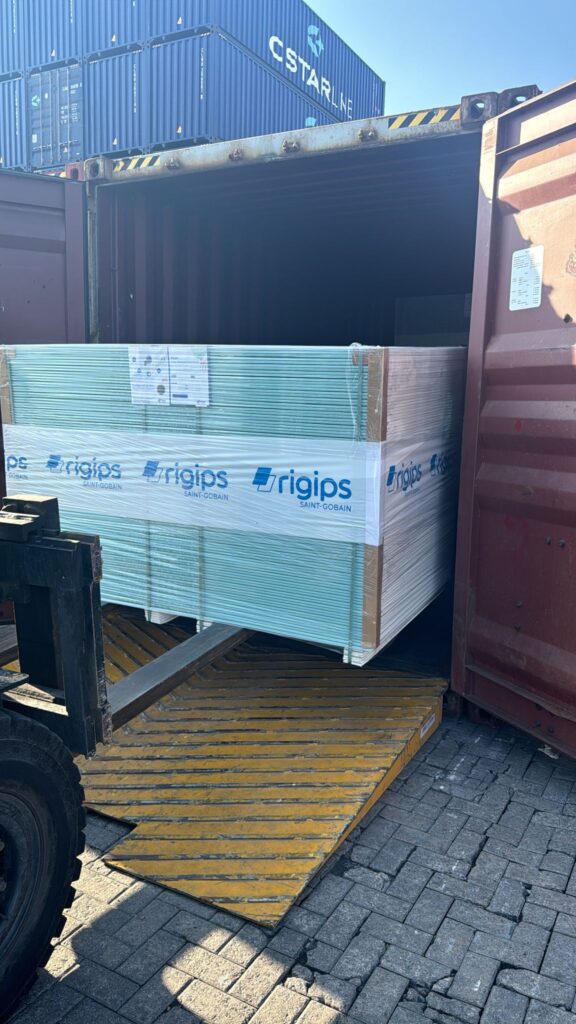
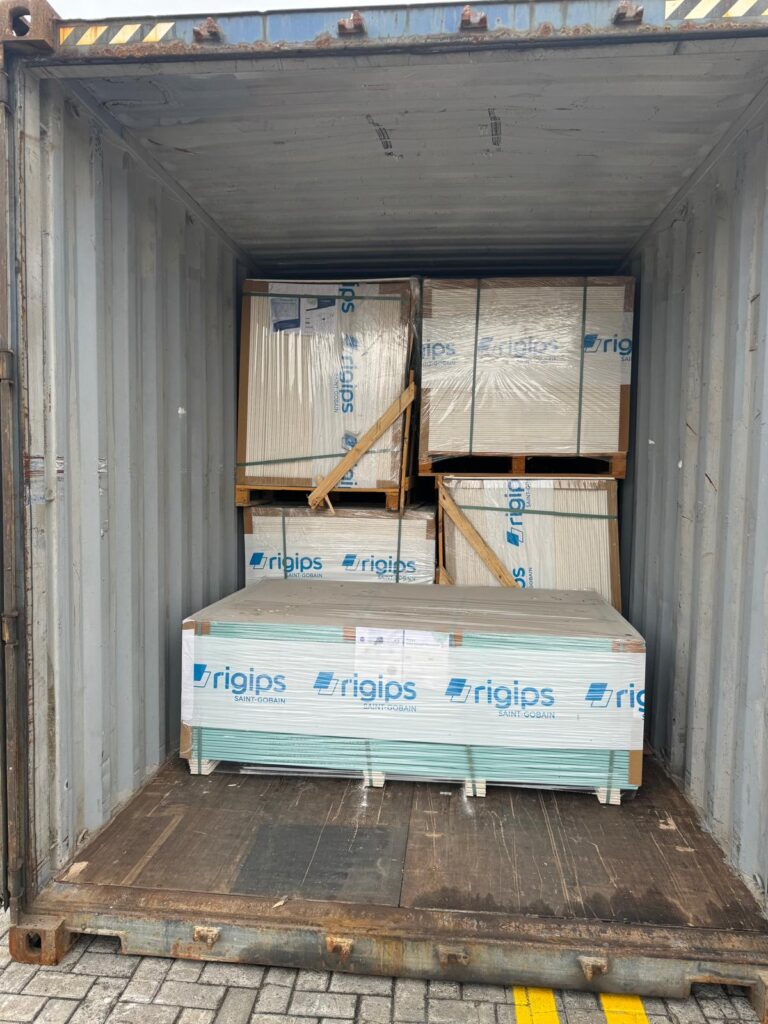
Gypsum Board (also known as drywall) holds a significant place in construction and interior design due to its practicality and aesthetic solutions. This material, widely preferred in construction and renovation projects, stands out for its ease of application and durability. But what exactly is Gypsum Board, what features make it stand out, where is it used, and why is it so commonly chosen? Here’s everything you need to know about Gypsum Board.
What is Gypsum Board?
Gypsum Board is a lightweight sheet material made of a gypsum core sandwiched between two layers of paper or cardboard. This material is commonly used for wall and ceiling cladding in construction projects, offering an aesthetic, functional, and durable solution. The main component of Gypsum Board is gypsum, which also makes it fire-resistant and eco-friendly.
Thanks to its lightweight nature and ease of application, Gypsum Board is a fast and practical solution for many projects. Additionally, its smooth, ready-to-paint surface provides an ideal foundation for interior design, making it a preferred material for aesthetic purposes as well.
Key Features and Advantages of Gypsum Board
There are several key features and benefits that make Gypsum Board a popular choice for construction and renovation projects. Here are the main advantages:
1. Fire Resistance
Gypsum Board is naturally fire-resistant due to the water molecules in its structure. These water molecules evaporate in the event of a fire, helping to reduce the spread of heat and offering additional fire protection. This property makes Gypsum Board particularly attractive for projects that prioritize safety.
2. Sound Insulation
Gypsum Board is known for its soundproofing capabilities. This feature makes it ideal for use in office partitions, conference rooms, movie theaters, and other spaces where noise control is essential. The material helps prevent sound from transferring between rooms.
3. Moisture Resistance
Certain types of Gypsum Board, such as green board, are moisture-resistant. These are specifically designed for use in high-humidity areas like bathrooms and kitchens, offering enhanced durability in such environments.
4. Easy Installation and Application
Gypsum Board is lightweight, making it easy to transport, cut, and install. This ease of handling allows for quicker project completion and simplifies the construction process, saving both time and labor.
5. Smooth and Seamless Surface
Gypsum Board offers a smooth and even surface that is ready for painting, wallpapering, or other decorative finishes. This makes it a versatile choice for creating aesthetically pleasing and uniform walls and ceilings.
6. Eco-Friendly and Sustainable
The gypsum used in Gypsum Board production is a natural, abundant material that can be recycled. This environmentally friendly property makes Gypsum Board a sustainable choice for construction projects.
Types of Gypsum Board
Gypsum Board comes in various types to meet specific needs and applications:
- Standard Gypsum Board: The most commonly used type for interior walls and ceilings.
- Moisture-Resistant Gypsum Board (Green Board): Ideal for areas with high humidity, such as bathrooms and kitchens.
- Fire-Resistant Gypsum Board (Red Board): Provides additional fire protection and is suitable for areas with fire safety concerns.
Where Is Gypsum Board Used?
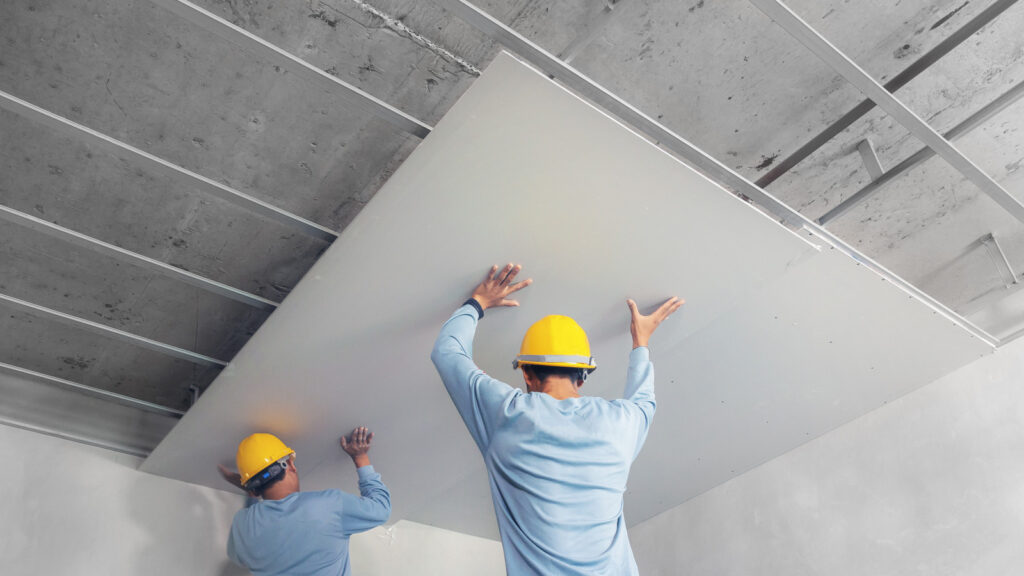
- Interior Wall Cladding: Gypsum Board is widely used for wall cladding in interiors. Its smooth surface is ideal for creating modern, sleek walls that are ready for painting or other decorative treatments.
- Suspended Ceiling Systems: Gypsum Board is a popular choice for suspended ceiling applications. Its lightweight nature and smooth finish make it an excellent choice for creating aesthetic and functional ceiling designs.
- Office Partition Systems: Due to its modular design, Gypsum Board is often used in office environments for creating partition walls. It helps to divide spaces while also providing sound insulation for better privacy and noise control.
- Fire-Safety Areas: Fire-resistant Gypsum Board is specifically designed for use in areas where fire safety is a top priority, such as commercial buildings, high-rise apartments, and industrial spaces.
- Decorative Applications: Gypsum Board’s easy-to-shape nature makes it a versatile option for decorative features in interior design. It can be used to create unique designs, textures, and finishes for walls and ceilings.
Gypsum Board Prices and Factors Affecting Cost
The cost of Gypsum Board varies depending on several factors, such as the thickness, moisture resistance, fire resistance, and quality of the material. Standard boards are generally more affordable than moisture-resistant or fire-resistant variants. When selecting Gypsum Board, it’s important to consider not only the price but also the project’s specific requirements and the performance characteristics needed.
What to Consider When Choosing Gypsum Board
When selecting Gypsum Board, it’s important to consider the specific needs of the area where it will be used. In areas exposed to moisture, choose moisture-resistant boards, while in fire-prone areas, fire-resistant boards should be used. Additionally, for projects where sound insulation is a priority, look for boards that offer enhanced soundproofing.
Conclusion
Gypsum Board has become a go-to material in construction and interior design due to its practicality, aesthetic appeal, and functional benefits. Its fire and moisture resistance, soundproofing properties, and ease of installation make it a versatile choice for a wide range of applications. Whether you’re working on a residential, commercial, or industrial project, Gypsum Board provides a reliable and cost-effective solution that enhances the overall quality and design of your space. With its eco-friendly nature and sustainable properties, Gypsum Board is set to remain a top choice for modern construction projects, providing lasting value and performance.