Plasterboard has gained immense popularity in the modern construction industry due to its durability, aesthetic appeal, and versatility. Providing lightweight, practical, and economical solutions for interiors, plasterboard is widely used in both residential and commercial buildings. In this article, we’ll explore what plasterboard is, its benefits, and the various applications it offers.
What is Plasterboard?
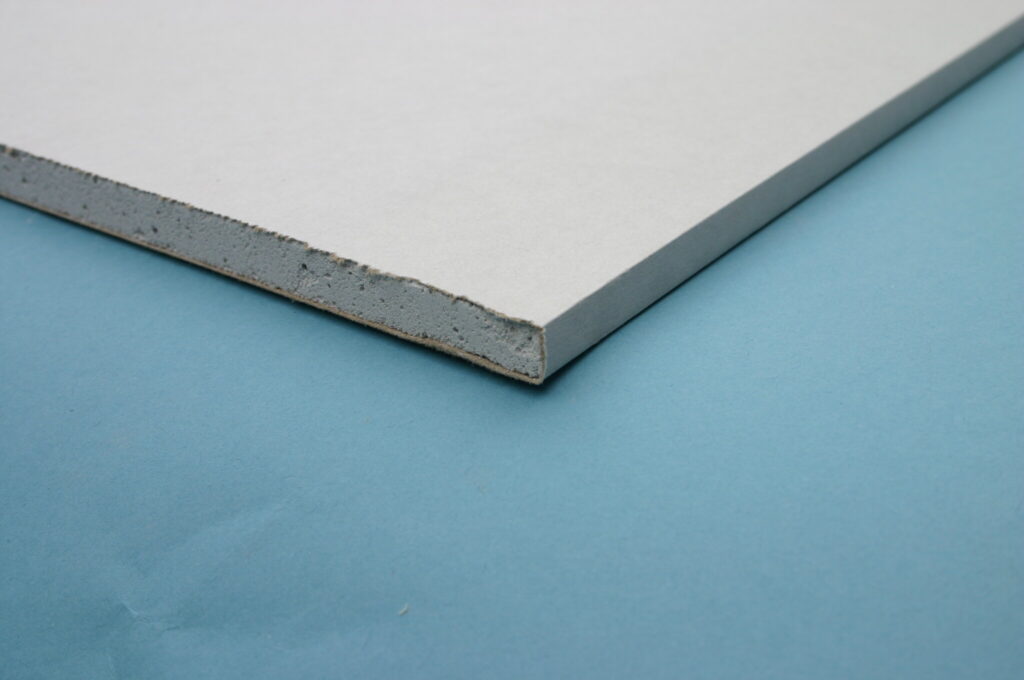
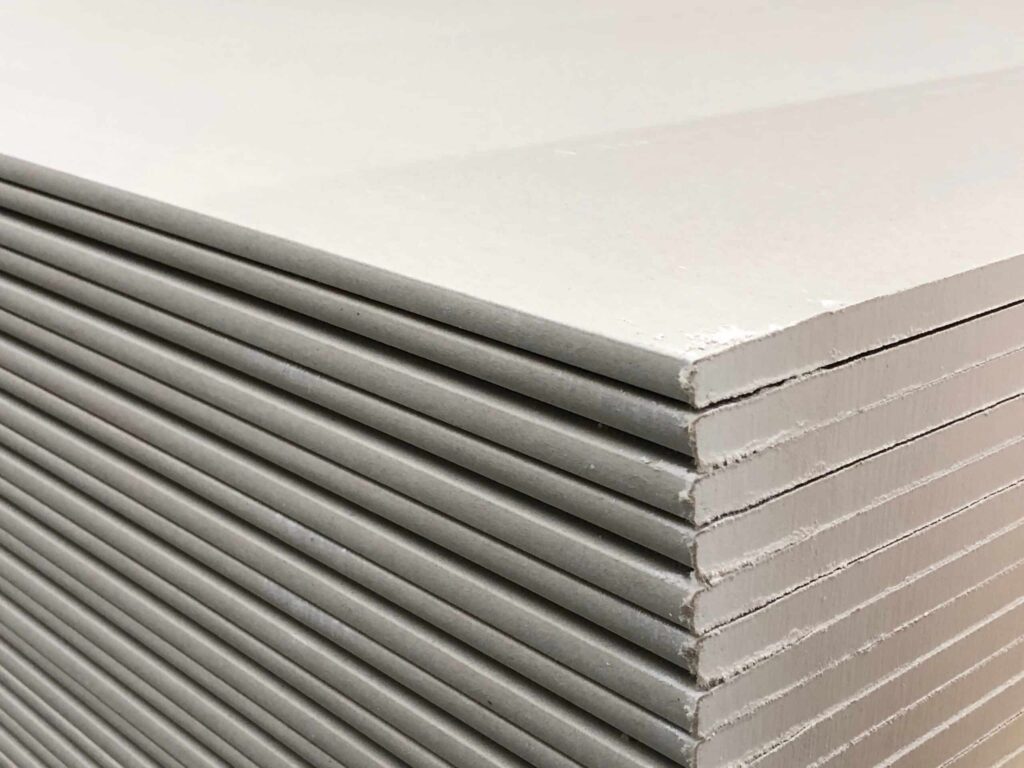
Plasterboard, also known as drywall or gypsum board, consists of a special gypsum core, typically encased in paper or similar materials. These panels are extensively used in interior wall and ceiling construction due to their practical installation and versatility, making them a key material in interior design.
Advantages of Using Plasterboard
- Lightweight and Easy Installation: Plasterboard is lightweight, which accelerates wall installation and reduces labor costs. It can be easily cut, shaped, and quickly installed, offering a significant advantage, especially in large projects.
- High Fire Resistance: The water molecules present in the gypsum core make plasterboard highly fire-resistant. This feature makes it a preferred choice for projects where fire safety is a priority.
- Thermal and Acoustic Insulation: Plasterboard is ideal for thermal insulation and is also effective in soundproofing. This makes it especially popular in residential and commercial projects where noise control is essential.
- Eco-Friendly and Cost-Effective: Plasterboard is recyclable and environmentally friendly. It’s also affordable, making it a practical choice in the construction industry.
Where Is Plasterboard Used?

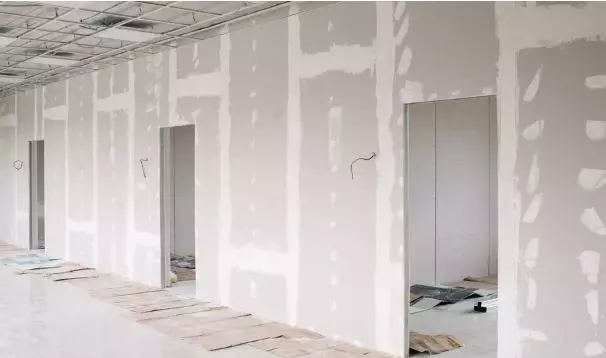
- Interior Walls and Partition Walls: In homes, offices, and commercial spaces, plasterboard is commonly used for creating interior and partition walls. These panels are ideal for segmenting spaces functionally while providing a decorative finish.
- Ceiling Applications: Plasterboard is frequently used in ceiling coverings. Gypsum board ceilings provide aesthetic appeal along with added advantages like sound insulation and enhanced lighting.
- Decorative Solutions: Plasterboard is used not only for functional purposes but also for decorative solutions. It’s preferred for creating niches, arches, and wall panels, adding a modern and stylish look to interiors.
- Special Areas for Fire Safety: Fire-resistant plasterboard is widely used in buildings where fire safety is crucial, such as hospitals, schools, and shopping centers.
Types of Plasterboard
Plasterboard comes in various types, each suited for different purposes. Here are the most popular types:
- Standard Plasterboard: Generally used for wall and ceiling applications in interiors.
- Fire-Resistant Plasterboard: High fire resistance makes this type ideal for areas requiring fire safety.
- Moisture-Resistant Plasterboard: Suitable for wet areas like bathrooms and kitchens.
- Soundproof Plasterboard: Known for their acoustic properties, these boards are chosen for sound insulation.
What Should You Consider When Using Plasterboard?
When selecting plasterboard, it’s crucial to choose the type that best fits the project’s requirements. For example, moisture-resistant boards should be used in areas with high humidity. Additionally, working with a professional team during installation enhances application quality and ensures long-lasting results.
Create Affordable and Aesthetic Spaces with Plasterboard!
Plasterboard offers quick, cost-effective, and eco-friendly solutions in the construction sector. Whether used in residential or commercial spaces, its lightweight structure, aesthetic appeal, and multifunctional properties make it a valuable building material for interiors. With easy application and practical uses, plasterboard can help you create modern, safe, and stylish spaces!