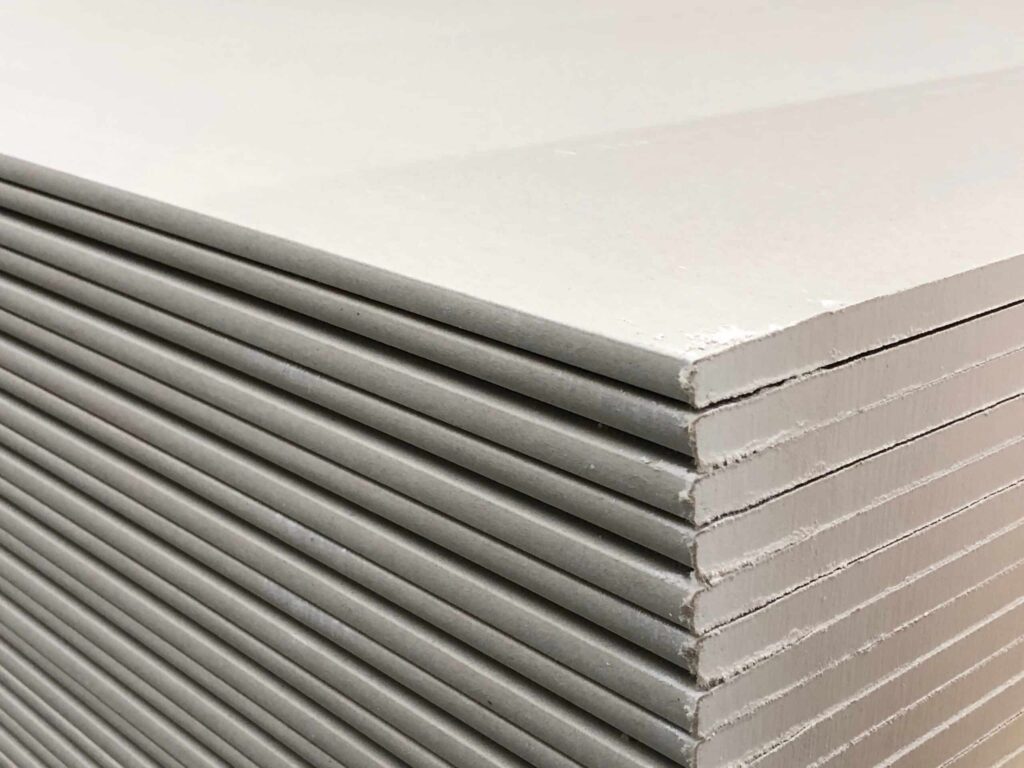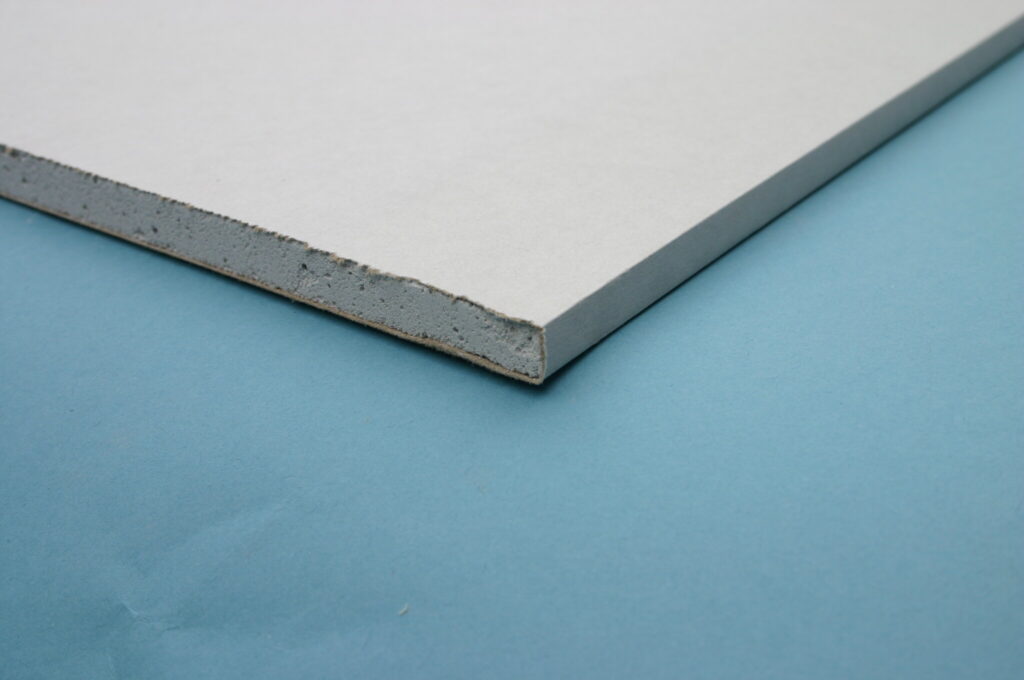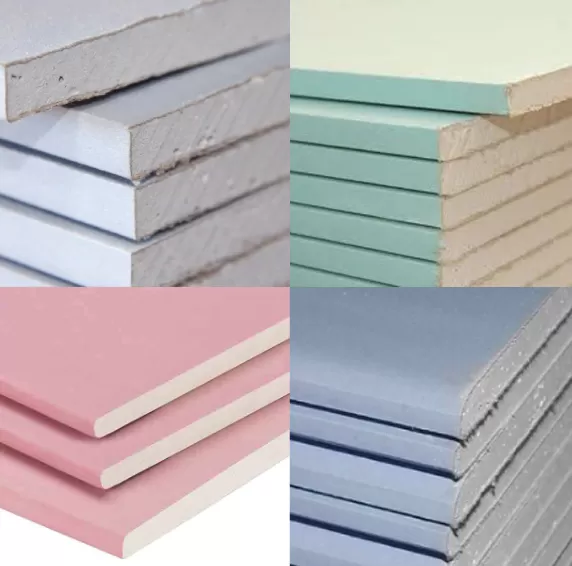
Plasterboard, also known as drywall or gypsum board, is a staple material in the construction industry due to its versatility, ease of use, and cost-effectiveness. It is used for creating walls and ceilings in both residential and commercial buildings. However, not all plasterboard is the same. Different types of plasterboard are designed for specific applications to meet the varying demands of construction projects. In this blog, we will explore the most common types of plasterboard, their features, and how to choose the best one for your needs.
Standard Plasterboard
What It Is:
Standard plasterboard is the most commonly used type. It is designed for general interior applications, such as partition walls and ceilings. Standard plasterboard consists of a gypsum core sandwiched between two layers of thick paper. It is versatile, easy to install, and cost-effective, making it the go-to option for most construction projects.
Key Features:
- Commonly used for interior walls and ceilings.
- Smooth surface ideal for painting and decorating.
- Budget-friendly and readily available.
Best For:
- General building interiors such as living rooms, bedrooms, and hallways.
Why it matters:
- Standard plasterboard is ideal for most non-specialized applications, offering a balance of quality and affordability.
Moisture-Resistant Plasterboard
What It Is:
Moisture-resistant plasterboard, often referred to as green board, is designed specifically for areas with high humidity, such as bathrooms, kitchens, and laundry rooms. This type of plasterboard is treated with special additives to help it resist moisture, preventing the growth of mold and mildew.
Key Features:
- Water-resistant and less prone to mold.
- Ideal for wet or humid environments.
- Green color coating indicates its moisture-resistant properties.
Best For:
- Bathrooms, kitchens, laundry rooms, and areas where moisture levels are high.
Why it matters:
- Moisture-resistant plasterboard ensures that areas exposed to high humidity remain safe and durable.
Fire-Resistant Plasterboard
What It Is:
Fire-resistant plasterboard, also known as fire-rated plasterboard, is manufactured with additional fire-resistant materials that improve the board’s ability to withstand high temperatures and slow the spread of fire. It is often used in spaces where fire protection is critical, such as kitchens, hallways, and areas that require fire-rated walls.
Key Features:
- Enhanced fire resistance compared to standard plasterboard.
- Can withstand high temperatures for extended periods.
- Often used in buildings requiring specific fire ratings for safety compliance.
Best For:
- Fire escape routes, commercial kitchens, and areas that require fire safety regulations.
Why it matters:
- Fire-resistant plasterboard is a crucial component in building safety, offering essential fire protection in case of emergencies.
Acoustic Plasterboard
What It Is:
Acoustic plasterboard is designed to reduce sound transmission between rooms and floors, making it perfect for noise-sensitive areas. It has a denser core than standard plasterboard and is often used in offices, schools, hotels, and residential buildings where noise control is important.
Key Features:
- Improved soundproofing capabilities.
- Reduces noise transmission and enhances acoustic comfort.
- Often used in multi-unit residential buildings or commercial offices.
Best For:
- Studios, offices, schools, hotels, or residential units in noisy areas.
Why it matters:
- Acoustic plasterboard is essential for ensuring privacy and comfort in spaces that require sound isolation.
Impact-Resistant Plasterboard
What It Is:
Impact-resistant plasterboard is a durable and robust option designed to withstand physical damage from impacts. It is typically used in areas with high foot traffic or where the risk of damage is greater, such as corridors, schools, or hospitals.
Key Features:
- Stronger than standard plasterboard.
- Can handle impacts and heavy wear and tear.
- Ideal for high-traffic areas.
Best For:
- Hallways, schools, hospitals, and public spaces.
Why it matters:
- Impact-resistant plasterboard provides added durability in areas subject to frequent use and accidental damage.
Thermal Plasterboard
What It Is:
Thermal plasterboard is designed to improve insulation within buildings. It is equipped with an additional layer of thermal insulation, which helps regulate indoor temperatures and reduces energy costs. This type of plasterboard is especially useful in areas where temperature control is a priority.
Key Features:
- Improved thermal insulation properties.
- Helps to maintain stable indoor temperatures.
- Ideal for energy-efficient buildings.
Best For:
- Homes, offices, and buildings aiming for better energy efficiency.
Why it matters:
- Thermal plasterboard contributes to energy savings by improving heat retention and reducing energy bills.
Lightweight Plasterboard
What It Is:
Lightweight plasterboard is designed to be lighter than traditional plasterboard, making it easier to handle and install. Despite its reduced weight, it still provides the same level of performance and durability as standard plasterboard. This makes it an excellent choice for large-scale projects where ease of installation is a key factor.
Key Features:
- Lighter and easier to handle than standard plasterboard.
- Maintains strength and durability.
- Ideal for large projects or where labor efficiency is crucial.
Best For:
- Large residential or commercial projects where quick installation is needed.
Why it matters:
- Lightweight plasterboard reduces labor costs and installation time, making it an efficient choice for large-scale construction projects.
Moisture-Resistant Fire-Resistant Plasterboard
What It Is:
As the name suggests, this type of plasterboard combines the benefits of both moisture resistance and fire resistance. It is often used in areas that require both qualities, such as bathrooms, kitchens, or wet rooms that need fire-rated properties.
Key Features:
- Combines moisture and fire resistance for high-performance.
- Ideal for areas with both high humidity and fire safety requirements.
Best For:
- Bathrooms, kitchens, and wet areas with fire safety needs.
Why it matters:
- This dual-purpose plasterboard ensures safety and longevity in environments that face both fire hazards and moisture exposure.
Conclusion
Plasterboard comes in a variety of types, each tailored to specific needs and applications. Whether you’re focusing on moisture resistance, fire protection, soundproofing, or insulation, there’s a plasterboard designed to meet your requirements. By choosing the right type for your project, you can enhance the performance, durability, and safety of your construction while ensuring the most cost-effective solution.
Call to Action
Looking for the perfect plasterboard for your next project? Contact us today to learn more about the different types of plasterboard and how they can help meet your construction needs!