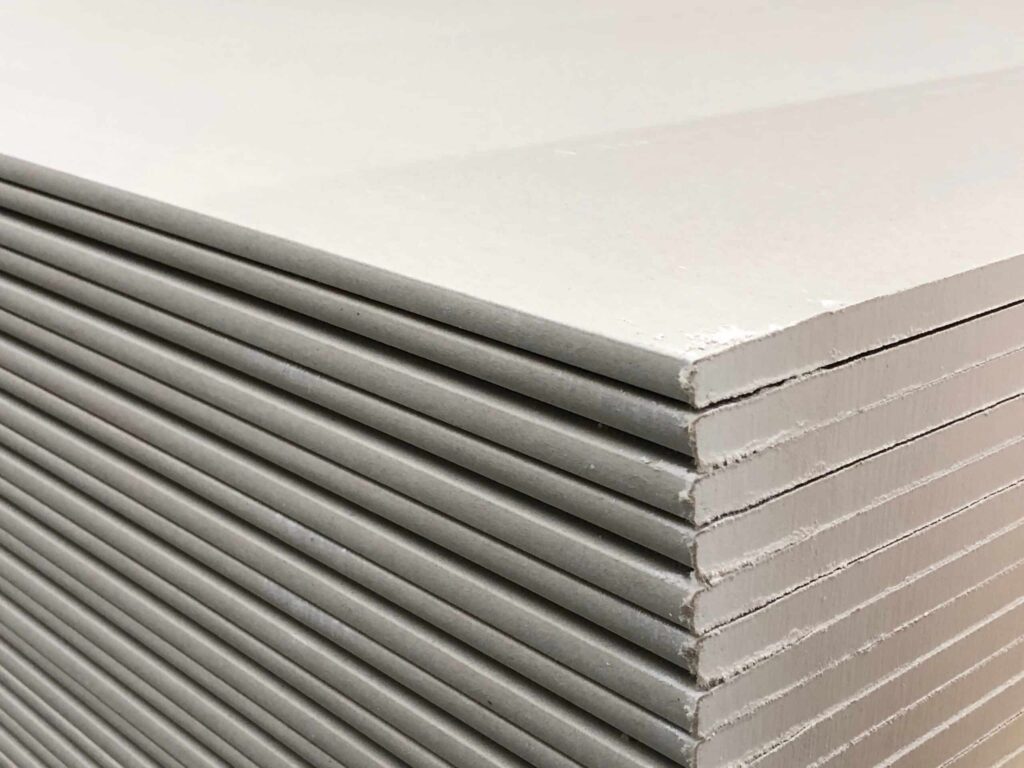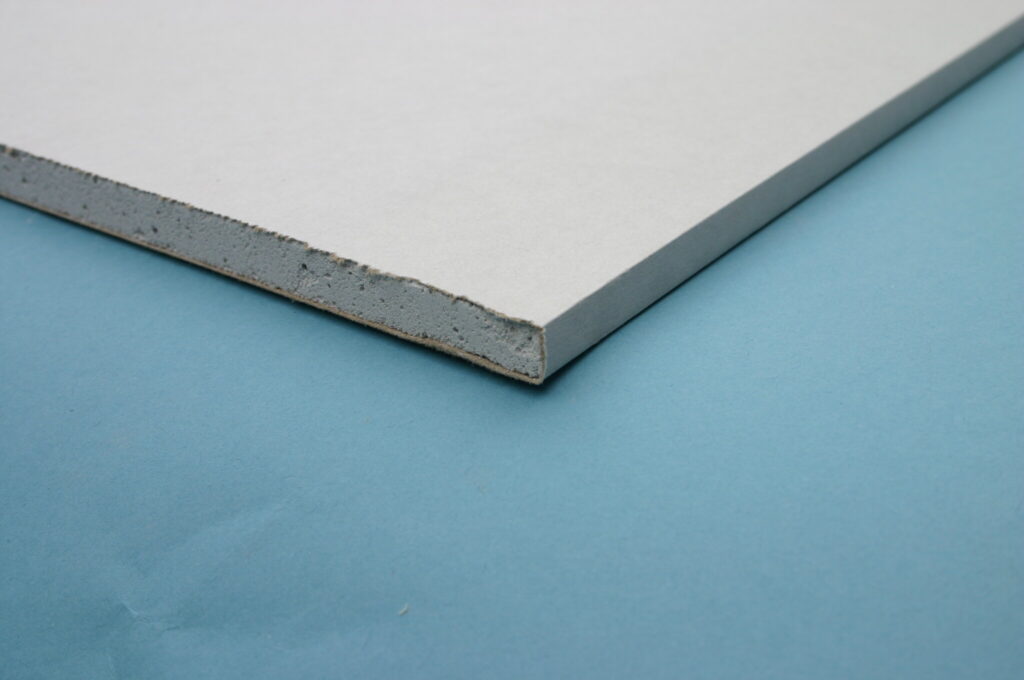
Plasterboard, also known as drywall or gypsum board, is a versatile and essential material in the construction industry. It is widely used in both residential and commercial buildings for walls, ceilings, and partitions. But have you ever wondered how plasterboard is made? In this blog, we’ll explore the process behind the production of plasterboard, from raw materials to finished product.
The Key Ingredient
The primary raw material used in plasterboard manufacturing is gypsum, a naturally occurring mineral. Gypsum is primarily composed of calcium sulfate dihydrate (CaSO4·2H2O), which gives plasterboard its unique properties, including fire resistance and sound insulation. The gypsum used in plasterboard is typically mined or extracted from quarries, where it is processed to ensure its purity and suitability for the manufacturing process.
The Plasterboard Manufacturing Process
The process of making plasterboard involves several key steps. Let’s walk through each stage to understand how gypsum is transformed into the final product:
Step 1: Gypsum Mining and Preparation
Gypsum is extracted from quarries or mines and processed to remove impurities. The gypsum is then crushed into smaller particles and heated in a rotary kiln at high temperatures (around 150-160°C). This process, known as calcination, removes the water content from the gypsum, turning it into a fine powder called “plaster of Paris.”
Step 2: Mixing with Additives
The plaster of Paris is mixed with water and other additives to create a smooth, workable paste. The additives may include materials that enhance the board’s strength, flexibility, fire resistance, and soundproofing qualities. The mixture is carefully formulated to achieve the desired consistency and performance characteristics.
Step 3: Forming the Plasterboard Sheets
The wet mixture is then poured onto a conveyor belt, where it is spread evenly into a continuous sheet. To form the board, two layers of cardboard are placed on either side of the gypsum paste. These layers are then pressed together, and the mixture is shaped into the standard dimensions of plasterboard (usually 4 feet by 8 feet).
Step 4: Drying and Curing
Once the plasterboard sheet is formed, it undergoes a drying process. The board is moved through a drying kiln, where it is exposed to controlled heat to remove any remaining moisture. This step helps solidify the gypsum and bond it to the cardboard. The plasterboard is then cut into the desired sizes and cooled.
Step 5: Quality Control and Packaging
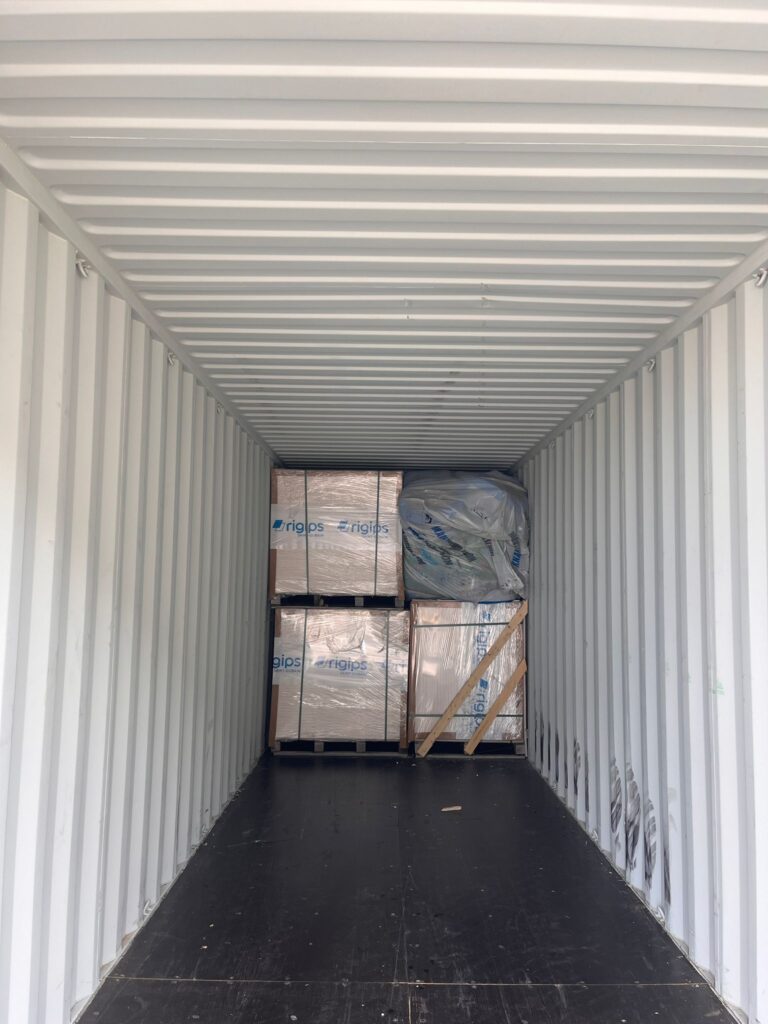
Before being shipped to distributors or construction sites, the plasterboard undergoes rigorous quality control tests. These tests check for thickness, strength, and consistency. Boards that meet the required standards are then packaged and prepared for distribution.
The Different Types of Plasterboard
Plasterboard is available in a variety of types, each designed for specific applications. The most common types include:
- Standard Plasterboard: This is the basic version, used for general interior walls and ceilings.
- Moisture-Resistant Plasterboard: Often used in areas with high humidity, like bathrooms and kitchens.
- Fire-Resistant Plasterboard: Made with special additives that improve fire resistance, ideal for areas that require enhanced fire safety, such as kitchens and corridors.
- Acoustic Plasterboard: Designed to reduce sound transmission, perfect for offices, schools, or residential buildings in noisy environments.
- Impact-Resistant Plasterboard: Provides increased durability and is commonly used in high-traffic areas like hallways or schools.
Environmental Considerations in Plasterboard Production
As the demand for sustainable building materials grows, the plasterboard industry is making efforts to reduce its environmental impact. Some manufacturers use recycled materials in the production process, and the boards themselves can be recycled at the end of their life cycle.
In addition, gypsum mining companies are increasingly using sustainable practices, such as land reclamation and reducing energy consumption during production. This makes plasterboard an eco-friendly option compared to other building materials.
The Future of Plasterboard Manufacturing
The plasterboard industry is continuously evolving with advancements in manufacturing technology. Innovations such as the use of smart plasterboard that integrates sensors for monitoring temperature, humidity, and energy use are already being explored.
Additionally, manufacturers are focusing on producing plasterboards that offer even greater energy efficiency, reduced weight, and better resistance to external factors like fire and moisture. With ongoing research and development, the future of plasterboard manufacturing looks promising, offering even better solutions for modern construction needs.
Conclusion
The process of making plasterboard is a carefully controlled operation that transforms natural gypsum into a highly versatile and essential material for the construction industry. From mining gypsum to quality control and packaging, every step is crucial to ensuring that the plasterboard meets the highest standards of durability, safety, and functionality. As the demand for sustainable and high-performance building materials grows, plasterboard remains a key player in creating modern, eco-friendly buildings.
Call to Action
If you are looking for high-quality plasterboard for your construction projects, contact us today to explore the best options for your needs. Let us help you build with efficiency, durability, and sustainability in mind!