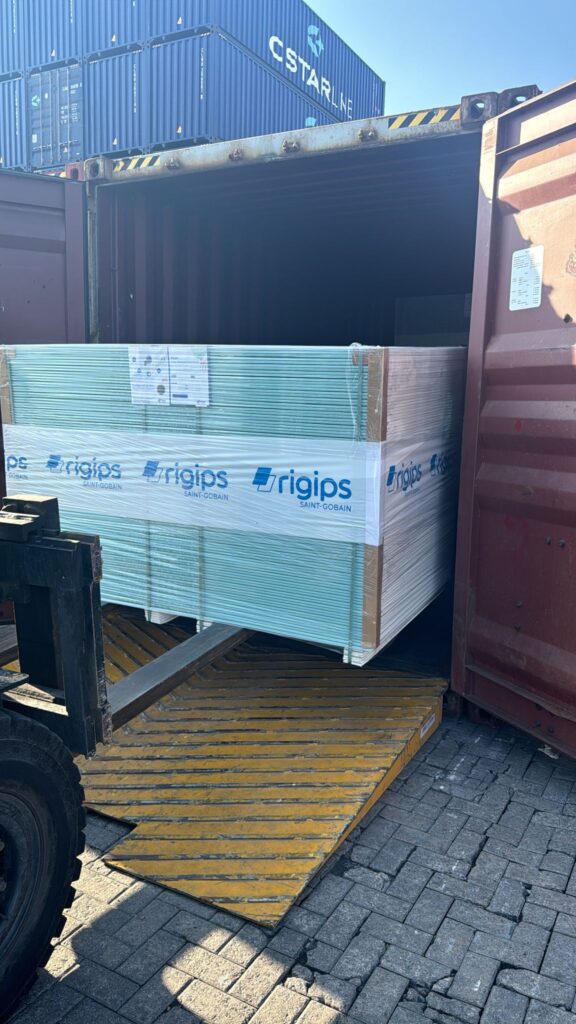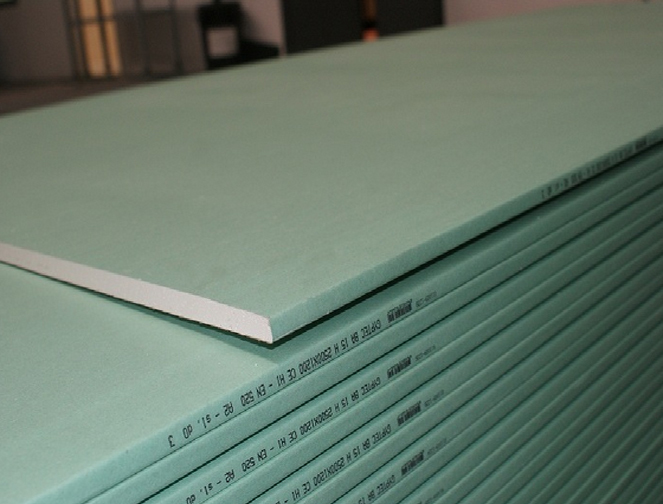
Gypsum board is a widely used material in the construction industry, available in various types to suit different environments and conditions. Green gypsum boards, also known as moisture-resistant boards, are specially designed to be used in damp and wet areas. But what exactly sets green gypsum boards apart from regular gypsum boards, and what are their unique features? In this article, we will explore the differences between green gypsum boards and other types of gypsum boards, as well as their ideal uses.
What is Green Gypsum Board?
Green gypsum board is a moisture-resistant material made from gypsum, designed with special additives to resist moisture and prevent damage in high-humidity environments. It is typically used in areas where moisture levels are high, such as bathrooms, kitchens, and basements.
Differences Between Green Gypsum Boards and Other Gypsum Boards
- Moisture Resistance
Green gypsum board is designed with a structure that resists moisture. While standard gypsum boards can deteriorate and absorb moisture over time, green boards are built to prevent moisture from penetrating and causing damage. This makes them ideal for use in areas like bathrooms, kitchens, and basements, where humidity levels are higher.
- Surface Coating and Durability
Green gypsum boards have a stronger and more durable surface than regular gypsum boards. This increased durability helps protect against moisture damage. Additionally, the surface often includes special coatings to further enhance water resistance.
- Applications
While standard gypsum boards are typically used in dry environments, green gypsum boards are specifically designed for use in wet areas. They are the best choice for spaces where water and humidity are constant concerns, such as bathrooms, kitchens, and basements. Green boards can also be used in certain exterior applications under specific conditions.
- Cost and Affordability
Green gypsum boards are usually more expensive than standard gypsum boards due to their enhanced moisture resistance. However, their durability and long-term benefits in humid areas make them a worthwhile investment. While the initial cost may be higher, the long lifespan and reduced need for maintenance can offset the price difference.
Where Should Green Gypsum Boards Be Used?
- Bathrooms and Shower Areas
Green gypsum boards are designed specifically for wet areas, making them ideal for bathroom walls and ceilings, especially those exposed to moisture from showers and baths.
- Kitchens
Kitchens often experience high levels of moisture due to cooking activities. Green gypsum boards are the best choice for kitchen walls and ceilings, helping to prevent moisture damage in these high-humidity environments.
- Basements and Attics
Green gypsum boards are perfect for use in basements and attics, where moisture can cause issues over time. Their moisture resistance helps maintain a dry environment, reducing the risk of mold and mildew growth.
- Exterior Applications (Under Specific Conditions)
Green gypsum boards can be used for exterior applications in certain conditions, such as sheltered outdoor spaces or ceilings that do not face direct water exposure. They provide added durability and moisture resistance when used in these environments.
What to Consider When Choosing Green Gypsum Board
- Moisture Levels
It’s important to consider the moisture levels of the area where green gypsum board will be installed. In areas with high humidity, green board is the preferred choice, but for very wet environments, additional water-resistant measures may be required.
- Installation and Application
Proper installation is key to ensuring the effectiveness of green gypsum boards. During installation, it’s essential to seal the joints properly to prevent water from penetrating through the seams.
- Weight and Handling
While green gypsum boards are generally lightweight, large projects may require specialized equipment for transport and installation. Ensuring that the boards are handled properly is important to avoid damage during the process.
Conclusion
Green gypsum board is a durable and moisture-resistant material ideal for areas exposed to high humidity. It offers long-lasting protection in environments such as bathrooms, kitchens, and basements. Compared to standard gypsum boards, green gypsum boards are more resistant to moisture, preventing potential damage and maintaining structural integrity. By choosing the right type of gypsum board for specific areas, you can ensure the longevity and reliability of your construction project, especially in damp environments.