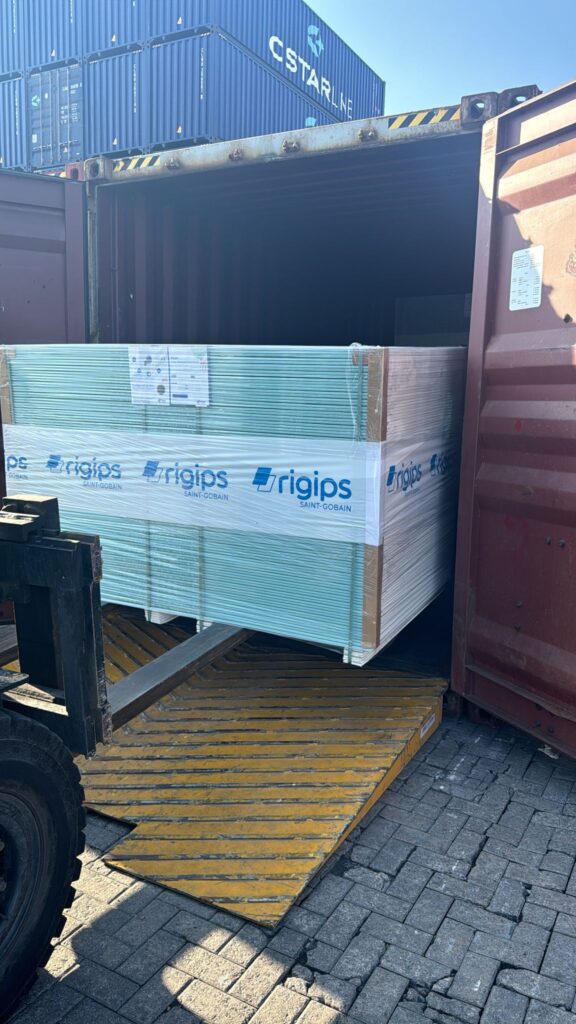
Gypsum board is a widely used, durable, and versatile material in the construction industry. Depending on the types of materials used, production techniques, and application requirements, different weights and characteristics of gypsum boards can be produced. In this article, we will explore the differences between lightweight and heavyweight gypsum boards and discuss when each type should be used.
What is Lightweight Gypsum Board?
Lightweight gypsum board is a type of gypsum board with a lower density than standard gypsum board. It is designed with a structure that interacts less with water vapor and air, making it lighter and easier to handle. Lightweight gypsum boards are commonly used in interior applications and provide both aesthetic and functional solutions for walls, ceilings, and other areas.
What is Heavyweight Gypsum Board?
Heavyweight gypsum board is a type of gypsum board that is denser, thicker, and stronger than standard gypsum boards. These boards are generally used in projects that require extra durability. Heavyweight gypsum boards offer increased resistance to impacts, fire, sound, and moisture, making them ideal for more demanding environments.
Differences Between Lightweight and Heavyweight Gypsum Boards
Density and Weight
- Lightweight Gypsum Board: These boards have a lower density and are lighter in weight. This makes them easier to transport, cut, and install.
- Heavyweight Gypsum Board: These boards are denser and thicker, offering more durability and stability. The increased weight provides added strength and security.
Durability and Usage Areas
- Lightweight Gypsum Board: These are typically used in less demanding areas, such as offices, living rooms, and corridors, where there is less risk of wear and tear.
- Heavyweight Gypsum Board: These are ideal for high-durability environments, such as industrial facilities, hospitals, or areas that require higher impact resistance, fire protection, or sound insulation.
Sound Insulation and Thermal Insulation
- Lightweight Gypsum Board: Lightweight boards generally offer lower sound and thermal insulation. Their structure is less effective at preventing sound transmission between spaces.
- Heavyweight Gypsum Board: These boards are highly effective in sound insulation due to their denser structure, which reduces sound transmission. They also provide better thermal insulation compared to lightweight boards.
Fire Resistance
- Lightweight Gypsum Board: These boards typically offer less fire resistance. In case of fire, lightweight boards are more likely to degrade and allow the spread of flames.
- Heavyweight Gypsum Board: Heavyweight boards are more resistant to fire. Their structure provides better protection in case of a fire, which is crucial for buildings requiring enhanced fire safety.
Cost
- Lightweight Gypsum Board: Lightweight boards are generally more affordable due to their simpler production process and lower material density.
- Heavyweight Gypsum Board: These boards tend to be more expensive because they require more materials and have additional properties like fire and sound resistance. However, their long-term benefits can offset the initial cost.
When Should You Use Which Type of Gypsum Board?
Interior Applications and Offices: Lightweight gypsum boards are ideal for interior spaces such as offices, living rooms, and bedrooms, where there is minimal exposure to moisture and wear. They provide a cost-effective solution for general wall and ceiling applications.
Fire-Safety Zones: For areas where fire safety is a priority, such as factories, high-rise buildings, or commercial spaces, heavyweight gypsum boards with fire-resistant properties are the best choice. They provide the necessary protection against fire hazards.
Sound Insulation Requirements: In environments where sound insulation is critical, such as office partitions, conference rooms, and theaters, heavyweight gypsum boards are highly recommended. Their ability to reduce sound transmission makes them an ideal solution for these areas.
Moist or Wet Areas: Both lightweight and heavyweight gypsum boards can be used in wet environments, but heavyweight boards, especially those designed for moisture resistance, provide superior performance. They are a better choice for high-moisture areas like bathrooms, kitchens, and basements.
Conclusion
Lightweight and heavyweight gypsum boards each have their unique advantages and are suited for different applications. Lightweight boards are ideal for general use in interior spaces, providing ease of installation and lower costs. Heavyweight boards, on the other hand, offer enhanced durability, fire resistance, and soundproofing, making them the preferred option for areas with more demanding requirements. Choosing the right type of gypsum board for your project depends on the specific needs of the space and the conditions it will face.