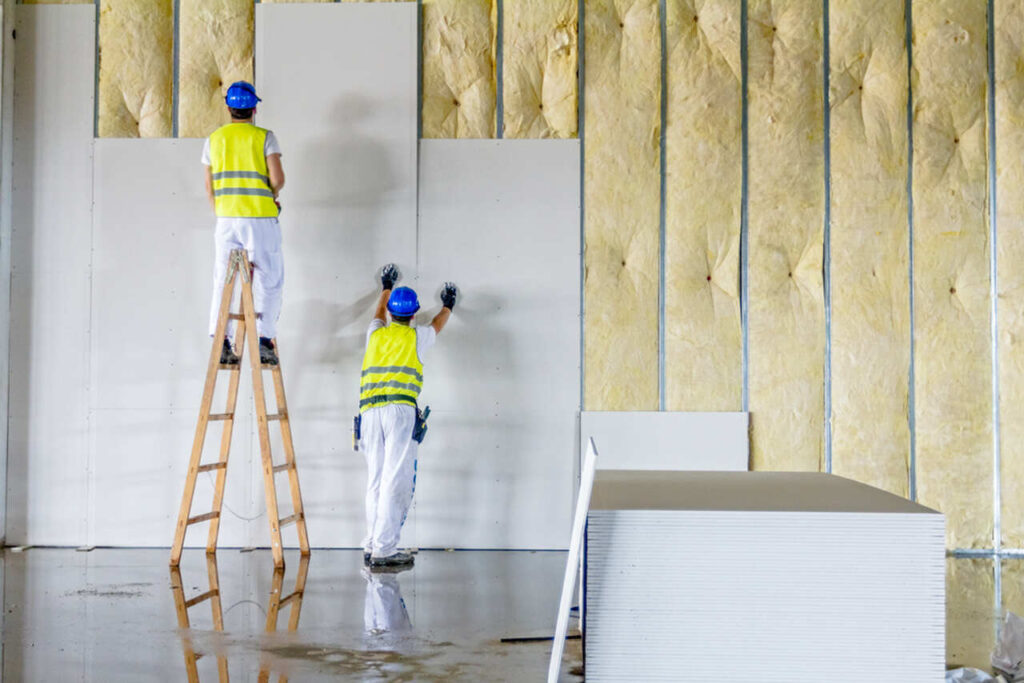
Drywall is a staple material in construction and renovation projects, offering versatility, cost-effectiveness, and high performance. Whether you’re working on a large-scale commercial project or a small residential renovation, selecting the right type of drywall for your specific needs is crucial. In this blog, we’ll explore how to choose the best drywall for your business, considering factors like project requirements, performance features, and budget.
Understand the Different Types of Drywall
One of the first steps in selecting the right drywall for your business is understanding the various types available. Each type serves a specific purpose, depending on the environment in which it will be used. The most common drywall options include:
- Standard Drywall (Regular Gypsum Board): This is the most commonly used drywall and is ideal for general construction. It is suitable for walls and ceilings in dry areas, offering a smooth finish that is easy to paint and decorate.
- Moisture-Resistant Drywall (Greenboard): Designed for use in areas with high humidity, such as bathrooms or kitchens, moisture-resistant drywall is built to prevent mold and mildew growth.
- Fire-Resistant Drywall (Type X): For areas that require added fire protection, Type X drywall provides an enhanced fire-resistant core, making it an essential choice for safety-conscious projects.
- Soundproof Drywall (Acoustic Drywall): If your project requires noise control, soundproof drywall can reduce sound transmission between rooms or floors, making it ideal for offices, hotels, or apartment complexes.
- Impact-Resistant Drywall: For areas that are prone to impact damage, such as hallways or schools, impact-resistant drywall is built with added durability to withstand high-traffic areas.
Assess the Specific Requirements of Your Project
The next step is to assess the needs of your specific project. Depending on the type of building, its intended use, and local building codes, your choice of drywall may vary. Consider the following:
- Building Use: Is the space residential or commercial? Commercial spaces often require higher-performance drywall, such as fire-resistant or soundproof options, to meet building regulations and offer a higher level of comfort and safety.
- Environmental Conditions: Will the drywall be exposed to moisture or extreme temperatures? If so, moisture-resistant or fire-resistant drywall might be necessary to ensure long-term durability and safety.
- Aesthetic Goals: Drywall is not only functional but also plays a role in the aesthetics of a space. Consider whether you need drywall that offers a smooth finish for easy painting, or whether you want to incorporate texturing for a unique look.
Consider Durability and Maintenance Requirements
When selecting drywall for your business, it’s important to consider its durability and long-term performance. Drywall is typically low-maintenance, but some varieties are more durable than others, making them ideal for high-traffic areas or environments with special demands.
- High-Traffic Areas: For businesses with high foot traffic, such as schools, offices, or retail spaces, choose drywall that is designed to resist impact. Impact-resistant drywall reduces the likelihood of dents and damage, saving you time and money on repairs.
- Moisture-Prone Areas: If you’re working on a project where moisture or humidity is a concern, such as a basement or bathroom, moisture-resistant drywall will help prevent mold growth and other issues caused by excessive dampness.
Evaluate Cost vs. Quality
Balancing cost with quality is a crucial aspect of choosing the right drywall for your business. While drywall is generally affordable, the price can vary depending on the type and features it offers. Here are some tips for making an informed decision:
- Budget-Friendly Options: Regular drywall is the most affordable option and works well for standard applications where no special performance features are required.
- Premium Options: For projects requiring advanced features such as fire resistance, soundproofing, or moisture resistance, you may need to invest in higher-quality drywall. Although the upfront cost is higher, these options can save money in the long run by reducing the need for repairs and improving the overall performance of the building.
Consider Long-Term Performance and Sustainability
While initial costs are an important factor, it’s also essential to consider the long-term performance and sustainability of the drywall you choose. Opting for high-quality drywall can ensure that your building remains safe, functional, and attractive for years to come.
- Sustainable Drywall: Many drywall manufacturers are now producing eco-friendly options made from recycled materials, reducing the environmental impact of construction. If sustainability is important to your business or project, consider choosing drywall made from recycled gypsum or other sustainable materials.
- Durability Over Time: Drywall that is more resistant to damage, such as impact-resistant or moisture-resistant drywall, will last longer and reduce the need for maintenance, saving both time and money in the future.
Work with Reliable Suppliers
Selecting the right supplier is just as important as choosing the right type of drywall. A reputable supplier can help you navigate the different drywall options available, provide guidance on your project needs, and ensure timely delivery. Look for a supplier with a proven track record of providing high-quality materials and excellent customer service.
When choosing a supplier, consider:
- Customer Service: A responsive supplier can assist you in selecting the right drywall for your business and answer any questions you may have.
- On-Time Delivery: Delays in material supply can disrupt construction schedules. Work with a supplier that can guarantee timely delivery to keep your projects on track.
- Competitive Pricing: Compare prices from different suppliers to ensure you’re getting the best value for your money.
Conclusion
Choosing the right drywall for your business is essential for ensuring the success and safety of your construction projects. By considering factors like the type of building, environmental conditions, durability requirements, and budget, you can make an informed decision that aligns with your project goals. Whether you need standard drywall, moisture-resistant options, or soundproof solutions, there is a product that fits your needs.