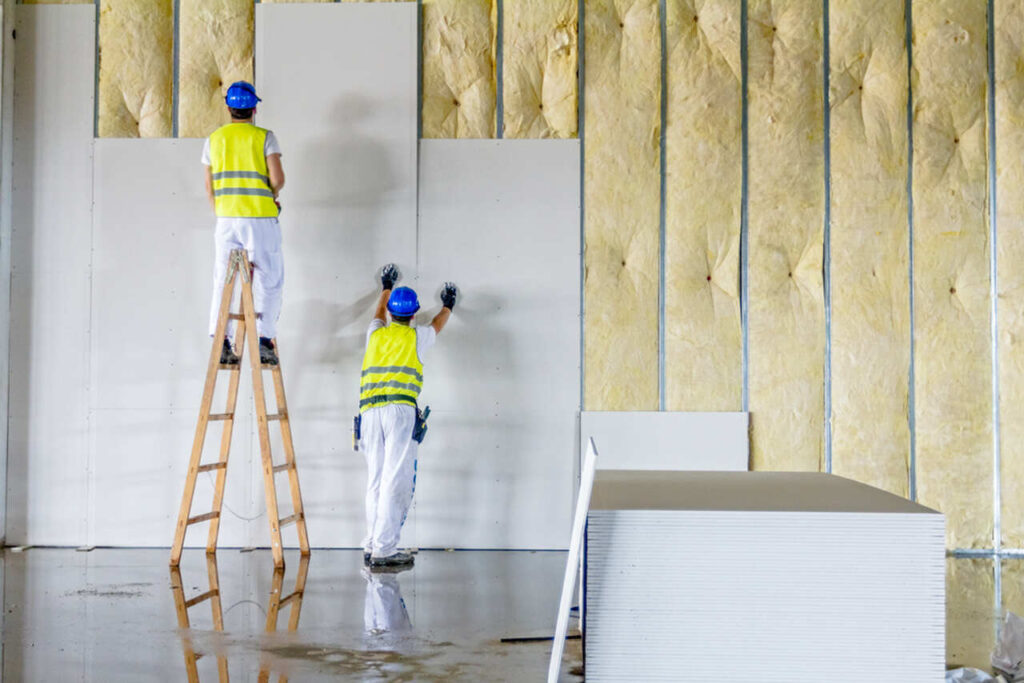
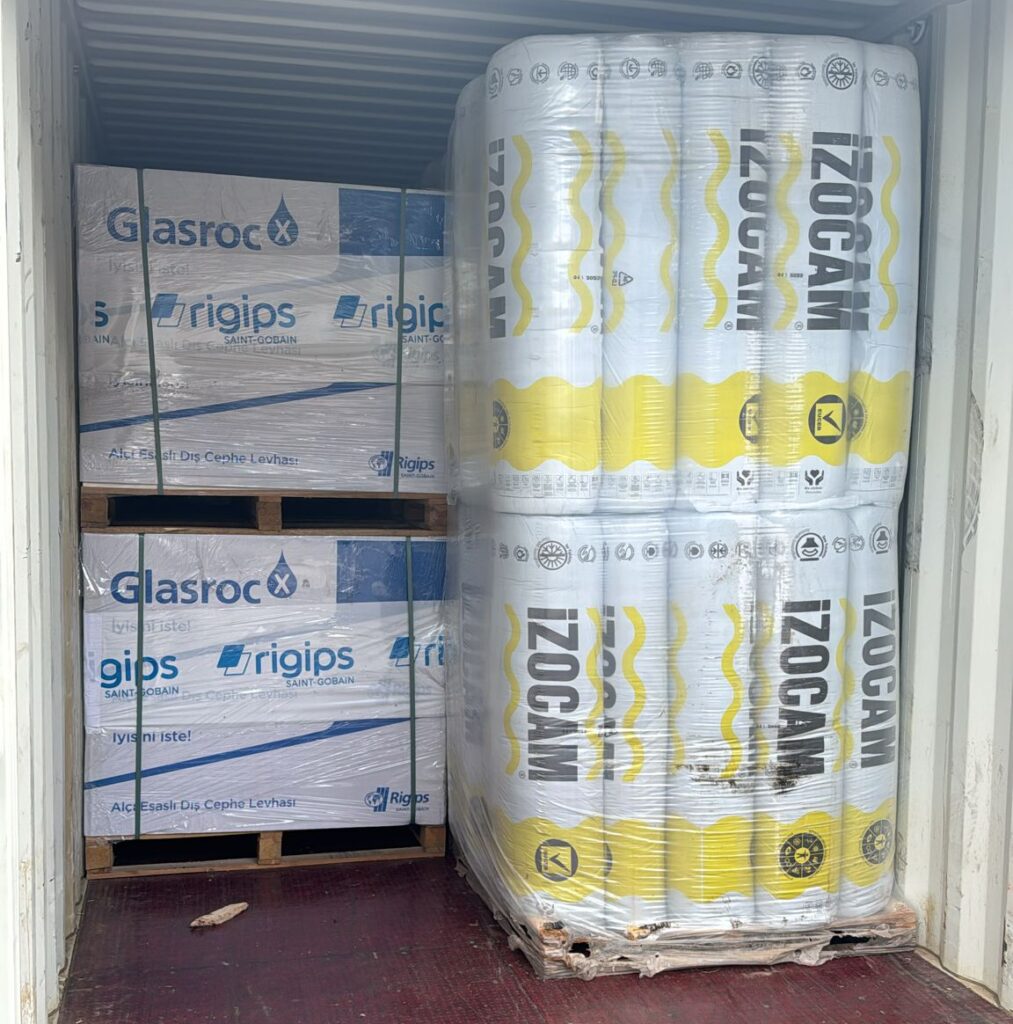
As we approach 2025, the construction industry continues to evolve, and so do the prices of essential building materials like drywall. For contractors, businesses, and individuals involved in construction and renovation projects, understanding the trends in drywall pricing is crucial for budgeting and project planning. In this blog, we’ll take a look at the factors influencing drywall prices in 2025 and provide insights into what you can expect for the upcoming year.
Factors Influencing Drywall Prices in 2025
Several key factors contribute to fluctuations in drywall prices. As we move into 2025, these factors will continue to impact costs, both globally and locally.
- Raw Material Costs: The price of gypsum, the primary raw material used in drywall production, plays a significant role in the overall cost. Any fluctuations in the price of gypsum due to mining, transportation, or environmental factors can affect drywall prices.
- Supply Chain Disruptions: Global supply chain issues, especially in light of past disruptions caused by the COVID-19 pandemic, continue to influence material costs. Manufacturers may face challenges in sourcing raw materials or shipping finished products, which could lead to higher prices.
- Labor Costs: Rising labor costs in manufacturing and distribution sectors can contribute to price hikes. As the construction industry grows, skilled labor shortages can increase the overall cost of production, making drywall more expensive.
- Energy Prices: The energy costs involved in producing and transporting drywall are another factor. With fluctuations in global oil and energy prices, drywall manufacturers may adjust their prices to maintain profit margins.
Drywall Price Trends for 2025
As 2025 approaches, we can expect certain price trends to emerge. Here’s a breakdown of what businesses and contractors can anticipate:
- Increased Demand for Specialty Drywall: The demand for specialty drywall types—such as fire-resistant, moisture-resistant, or soundproof drywall—will likely drive up prices. These products offer additional benefits that are becoming more essential in modern construction projects, especially in commercial buildings and multifamily housing.
- Sustainability and Eco-Friendly Options: As the construction industry continues to prioritize sustainability, eco-friendly drywall options made from recycled materials may experience an increase in demand. These products could come at a slightly higher cost due to the specialized manufacturing processes but can offer long-term benefits for environmentally conscious businesses.
- Regional Price Variations: Prices may vary depending on your location. Areas with higher demand or construction booms may experience s
- Price Stability Post-Pandemic: After the significant price fluctuations caused by the global pandemic, the drywall market is expected to stabilize in 2025. However, periodic price increases may still occur due to factors like inflation, energy prices, and raw material costs.
How to Manage Rising Drywall Costs in 2025
While drywall prices are expected to increase in 2025, there are several strategies businesses can employ to manage costs effectively and maintain profitability:
- Bulk Purchasing: One of the most effective ways to save on drywall costs is by purchasing in bulk. By buying large quantities upfront, you can secure a better price per unit and reduce overall material costs for large construction projects.
- Long-Term Contracts with Suppliers: Consider establishing long-term relationships with drywall suppliers. Negotiating contracts with suppliers for a fixed price over a certain period can help mitigate price fluctuations and secure consistent pricing for your business.
- Opt for Standard Drywall Types: While specialty drywall options offer additional benefits, sticking to standard drywall for most of your projects can help keep costs lower. Use premium options only in areas where performance requirements demand it, such as in high-moisture or fire-prone areas.
- Energy Efficiency in Construction: Investing in energy-efficient construction practices can reduce the need for specialized drywall products. For instance, better insulation and ventilation systems can help reduce heating and cooling costs in buildings, potentially lowering the need for high-performance drywall types.
Forecasting Drywall Prices in 2025: What to Expect for Contractors and Suppliers
Contractors and suppliers will need to keep a close eye on drywall pricing trends in 2025 to plan their budgets and ensure project profitability. As the cost of raw materials rises, along with increasing demand for specialized drywall products, it’s important to account for these changes when estimating project costs.
- Monitoring Market Conditions: Contractors should monitor the market for any signs of price hikes or supply shortages. Building a contingency plan into project budgets can help address unexpected price changes.
- Building Relationships with Multiple Suppliers: Having multiple suppliers on hand allows businesses to compare prices and ensure they are getting the best deal for drywall products. Having flexibility in your supplier base can also provide an opportunity to negotiate better terms.
- Adjusting Pricing for Clients: For businesses offering drywall installation or related services, it’s important to adjust pricing models to reflect higher material costs. Transparent communication with clients about price increases can help manage expectations and maintain positive relationships.
Looking Ahead: Long-Term Outlook for Drywall Prices
In the long term, the price of drywall is likely to be influenced by global economic factors, including inflation, trade policies, and the availability of raw materials. While prices may stabilize in the short term, it’s essential for businesses to anticipate gradual price increases over the next few years.
To stay ahead of price trends, businesses should consider:
- Investing in technology and automation to reduce manufacturing and labor costs.
- Exploring alternative materials that could provide similar performance at a lower price point.
- Maintaining strong relationships with key suppliers to secure favorable terms and avoid supply chain disruptions.
Conclusion
As 2025 approaches, drywall prices are expected to see some increases due to factors like raw material costs, supply chain issues, and rising demand for specialty products. However, with the right strategies in place—such as bulk purchasing, long-term supplier contracts, and focusing on standard drywall for most projects—businesses can manage these costs and maintain profitability.
Call to Action
If you’re planning a construction project in 2025, it’s essential to stay informed about drywall pricing trends. Contact us today for the best deals on high-quality drywall products and get expert advice on how to save on your next project!