When it comes to building or renovating, choosing the right materials is critical. Drywall, also known as gypsum board, is a popular choice for both residential and commercial construction due to its wide range of benefits. Whether you are a contractor, developer, or DIY enthusiast, drywall offers several reasons why it should be at the top of your material list. In this blog, we will explore the top reasons why purchasing drywall is a smart decision for your construction projects.
Cost-Effectiveness
One of the most compelling reasons to buy drywall is its cost-effectiveness. Compared to alternative materials such as plaster or brick, drywall is significantly more affordable. It offers a budget-friendly solution for covering large areas without compromising on quality or performance. This cost-saving aspect makes drywall an attractive choice for both small-scale projects and large-scale commercial developments.
How It Saves Money:
- Lower Material Cost: Drywall is cheaper per square foot than many other wall-covering options.
- Reduced Labor Costs: Drywall is easy to install, requiring less time and labor compared to traditional plaster or masonry methods.
- Less Maintenance: Drywall is durable and long-lasting, reducing the need for frequent repairs or replacements.
Quick and Easy Installation
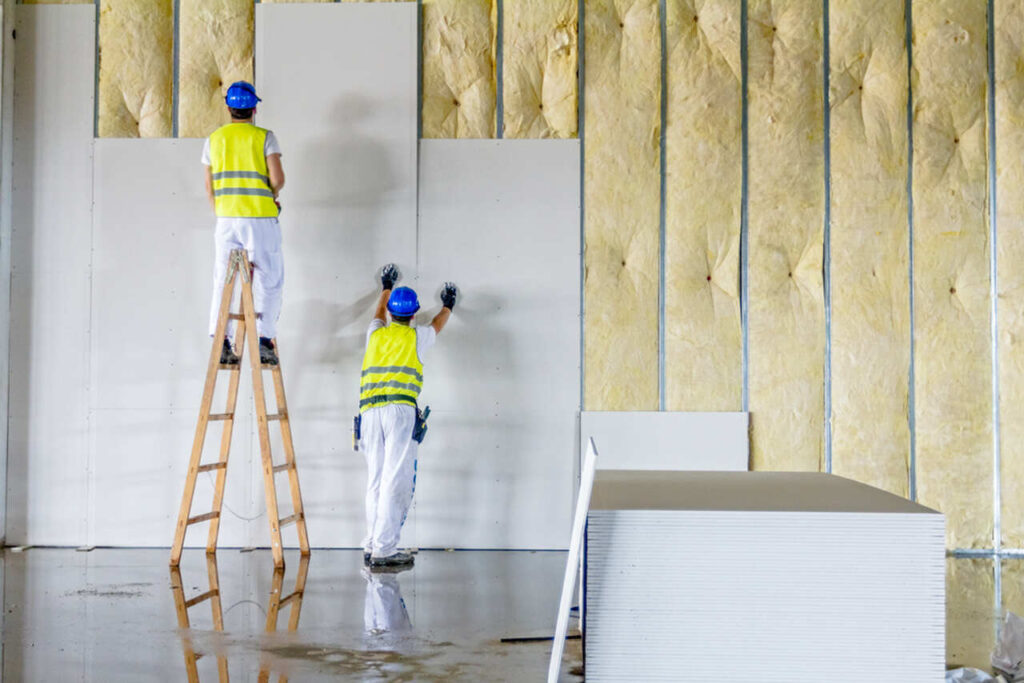
Time is money, and drywall helps save both. Its ease of installation makes it a go-to choice for contractors and DIYers alike. Unlike traditional plaster, which requires more drying time and skillful application, drywall is quick to install, reducing labor costs and speeding up project timelines.
Installation Benefits:
- Pre-Factory Finished Panels: Drywall panels are pre-finished, requiring only cutting and fastening to the studs.
- Less Mess: The installation process generates much less dust and mess than plastering.
- Minimal Drying Time: Drywall requires little to no drying time, and once installed, the surface can be painted or finished in a relatively short period.
Versatility and Flexibility
Drywall is highly versatile and can be used in various applications, from residential homes to large commercial buildings. It is ideal for creating smooth, even surfaces on walls and ceilings. Additionally, drywall can be customized to suit the needs of any specific project, including the addition of insulation, soundproofing, or fire-resistant properties.
Areas of Versatility:
- Walls and Ceilings: Drywall is primarily used for covering walls and ceilings, providing a smooth finish that can be painted, textured, or wallpapered.
- Soundproofing: Specialized drywall can be used for soundproofing rooms or areas with high noise levels.
- Moisture Resistance: Certain types of drywall are designed to resist moisture, making them perfect for bathrooms, kitchens, and basements.
Excellent Fire Resistance
Safety is always a priority in construction, and drywall provides a significant level of fire resistance. Gypsum, the core material of drywall, is non-combustible and helps to slow down the spread of fire in buildings. This makes drywall an excellent choice for protecting lives and property.
How Drywall Enhances Fire Safety:
- Fire-Resistant Core: The gypsum in drywall contains water molecules that, when exposed to heat, evaporate, helping to keep the temperature of the surrounding area lower.
- Building Code Compliance: Many building codes require the use of fire-resistant materials, and drywall is an affordable and effective solution for meeting these standards.
- Fire Ratings: Drywall can be used in various combinations to achieve different fire ratings, providing optimal fire protection for walls and ceilings.
Improved Insulation and Energy Efficiency
Drywall also contributes to better energy efficiency by providing a solid barrier for insulation. When paired with fiberglass or foam insulation, drywall helps keep temperatures regulated, reducing heating and cooling costs. This makes drywall a key component in creating energy-efficient homes and buildings.
Benefits of Energy Efficiency:
- Thermal Insulation: Drywall helps to slow the transfer of heat between rooms or from outside the building, reducing energy loss.
- Sound Insulation: Drywall is also effective in reducing sound transmission, creating quieter and more comfortable living spaces.
- Environmental Benefits: Proper insulation can reduce the overall energy consumption of a building, lowering your carbon footprint.
Environmental Friendliness
As sustainability becomes more important, drywall is becoming a preferred choice for eco-conscious builders. Modern drywall products are often made from recycled materials, and the manufacturing process is continuously improving to reduce waste and energy consumption. Furthermore, drywall is recyclable and can be reused in future projects.
Eco-Friendly Aspects of Drywall:
- Recycled Content: Many drywall manufacturers use recycled paper and gypsum in their production process.
- Low Carbon Footprint: The energy used in drywall production is relatively low compared to more resource-intensive building materials.
- Recyclability: Old drywall can be recycled into new panels, reducing construction waste.
Durability and Long-Term Value
Drywall is built to last, providing a long-term solution for your construction needs. Once installed, drywall requires minimal maintenance and can withstand the wear and tear of everyday life. Its durability ensures that you get value for your investment over time.
Why Drywall Lasts:
- Resistant to Cracking: Drywall is less prone to cracking compared to plaster and other wall finishes.
- Impact Resistance: While drywall is not impervious to damage, it is highly resistant to impact from typical household activities.
- Low Maintenance: Drywall doesn’t need constant upkeep or repair, unlike other materials that might require frequent attention.
Aesthetic Appeal
Drywall provides a smooth, clean surface that can easily be painted, wallpapered, or textured to match any design style. It is the ideal surface for creating beautiful interiors, whether for modern, traditional, or minimalist designs. The versatility of drywall allows it to seamlessly integrate with various design elements.
Design Flexibility:
- Smooth Finish: Drywall offers a sleek, smooth surface that serves as a blank canvas for decoration.
- Texturing Options: If you want something more unique, drywall can be easily textured to create visual interest.
- Seamless Integration: Drywall can be paired with a variety of other materials, such as wood, tile, or stone, for a cohesive design.
Conclusion
In summary, drywall offers a host of benefits, including cost savings, quick installation, versatility, fire resistance, improved insulation, and long-term durability. It is an essential material for modern construction and renovation projects, providing value and performance. Whether you’re a builder, contractor, or DIY enthusiast, drywall is a smart choice that can save you time, money, and effort while enhancing the quality of your space.
Call to Action
Ready to get started with your drywall project? Contact us today to learn more about our high-quality drywall products that meet your building and insulation needs. Let’s work together to create durable, energy-efficient, and beautiful spaces for your next construction project!