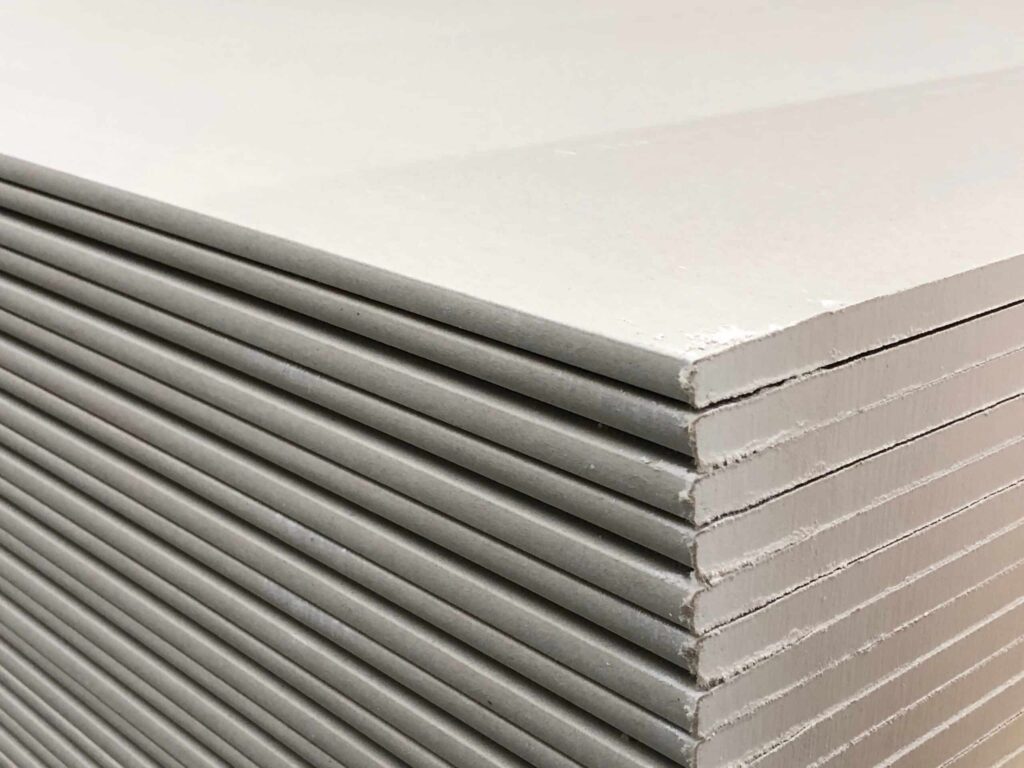
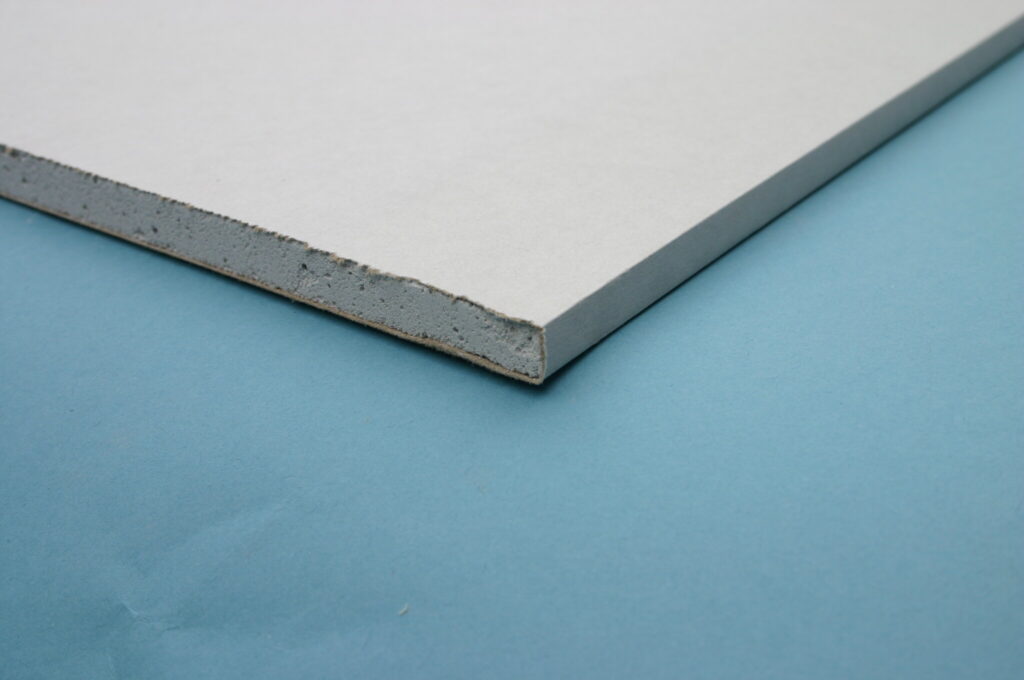
In construction, safety is the number one priority, and fire resistance is a critical consideration. As safety regulations become stricter and the demand for safer, more durable buildings grows, fire-resistant materials have become a necessity in both residential and commercial projects. Fire-resistant plasterboard (also known as fire-rated plasterboard) is an essential component in fire protection systems, and offering these products can help construction professionals ensure the safety of their projects while gaining the trust of their customers. In this blog, we’ll explore the importance of fire-resistant plasterboard, its benefits, and how using it can help you build a reputation for safety and reliability.
What is Fire-Resistant Plasterboard?
Fire-resistant plasterboard is a specially designed building material that has been treated or reinforced to withstand high temperatures and prevent the spread of fire. It is made with additives, such as glass fibers, to enhance its fire-resistant properties. These boards are commonly used in areas where fire resistance is crucial, such as:
- Walls: Fire-resistant plasterboard is often used to line walls in high-risk areas, including kitchens, stairwells, and corridors in residential buildings, offices, and schools.
- Ceilings: It can also be used in ceilings to create fire barriers that slow the spread of flames from one floor to another.
- Partitions: Fire-resistant plasterboard partitions are used to divide spaces, ensuring that fire does not easily travel between rooms or units.
The Importance of Fire-Resistant Plasterboard in Building Safety
Fire safety is one of the most important considerations in any construction project, and using fire-resistant plasterboard is a key strategy for meeting fire safety standards. Here’s why it is vital for building safety:
- Fire Protection: The primary role of fire-resistant plasterboard is to contain and delay the spread of fire. By installing this product in critical areas, you help to prevent fire from spreading quickly, giving occupants more time to evacuate and minimizing the damage to the building.
- Compliance with Regulations: Many countries have strict building codes that require fire-resistant materials to be used in certain parts of buildings, such as exit routes, stairwells, and walls separating different fire zones. Using fire-rated plasterboard ensures that you comply with these codes and avoid costly fines or legal issues.
- Peace of Mind for Clients: Clients, whether homeowners, businesses, or property developers, want assurance that their building will be safe in case of fire. By using fire-resistant plasterboard, you not only meet regulatory standards but also build trust with your clients, showing that their safety is a top priority.
Benefits of Fire-Resistant Plasterboard
In addition to its primary function of fire protection, fire-resistant plasterboard offers several other advantages that make it a valuable product for any construction project:
- Increased Durability: Fire-resistant plasterboard is designed to withstand high temperatures for extended periods. This makes it more durable and capable of protecting the underlying structures from heat damage during a fire.
- Sound Insulation: Many fire-resistant plasterboards also offer soundproofing qualities, making them ideal for multi-family housing, hotels, and offices where noise reduction is needed alongside fire protection.
- Easy to Install: Despite its added safety features, fire-resistant plasterboard is easy to install, similar to regular plasterboard. It can be cut, fitted, and installed without the need for special tools, which can save time and reduce labor costs.
- Cost-Effective: While fire-resistant plasterboard may come at a slightly higher cost than regular plasterboard, it can be a cost-effective solution in the long run by reducing the need for additional fire protection measures and offering peace of mind to property owners.
How to Choose the Right Fire-Resistant Plasterboard
Not all fire-resistant plasterboard products are the same, so it’s important to choose the right one for your specific project needs. Here are a few factors to consider when selecting fire-resistant plasterboard:
- Fire Rating: Fire-resistant plasterboard comes with different fire ratings, which indicate how long the material can withstand fire exposure before it begins to fail. Common fire ratings include 30, 60, and 90 minutes. Make sure to select a plasterboard with the appropriate fire rating for the area of the building and its intended use.
- Material Composition: Fire-resistant plasterboard can be made with various materials such as gypsum, fiberglass, and cement. Consider the specific requirements of your project, such as moisture resistance, sound insulation, or thermal insulation, when choosing a plasterboard material.
- Thickness: Thicker plasterboard typically offers better fire resistance, but it also adds weight and can be more difficult to handle. Consider the balance between the fire rating and ease of installation when selecting the thickness of plasterboard for your project.
Installing Fire-Resistant Plasterboard for Maximum Protection
Proper installation of fire-resistant plasterboard is crucial to ensure that it performs to its full potential in a fire situation. Here are some key tips for ensuring proper installation:
- Seamless Joints: Ensure that all seams between plasterboard sheets are tightly sealed and reinforced with fire-resistant jointing materials. Gaps or poor joints can compromise the integrity of the fire barrier.
- Appropriate Fixings: Use fire-rated fixings and fasteners when securing plasterboard to framing members. These fixings should be able to withstand high temperatures without failure.
- Edge Treatment: Fire-resistant plasterboard often requires specific edge treatments to ensure optimal performance. Pay attention to manufacturer guidelines for edge detailing, particularly in areas where the plasterboard meets other materials.
Building Trust with Fire-Resistant Plasterboard
By incorporating fire-resistant plasterboard into your construction projects, you not only meet safety standards but also demonstrate a commitment to your clients’ well-being. Here’s how offering this product can help build customer trust:
- Demonstrates Expertise: By using fire-resistant plasterboard, you showcase your knowledge and expertise in building safety, reassuring clients that their property is in good hands.
- Adds Value to Projects: Buildings with enhanced fire protection are m
- Reputation for Quality: Using high-quality, fire-rated plasterboard from reputable manufacturers helps build your reputation for delivering safe, durable, and reliable buildings.
Call to Action
Don’t compromise on safety—choose fire-resistant plasterboard for your next project and give your clients the peace of mind they deserve. Contact us today to learn more about our range of fire-rated plasterboard solutions that will help you build safer, more secure buildings!