In the world of modern construction and interior design, the demand for materials that not only perform well but also enhance the aesthetic appeal of a space has never been higher. Plasterboard is one such material that strikes the perfect balance between functionality and design flexibility. Known for its versatility, plasterboard can be used to create beautiful, innovative spaces without compromising on practicality. In this blog, we’ll explore how plasterboard can help you achieve both aesthetic beauty and functional excellence in your designs, whether for residential, commercial, or industrial projects.
The Versatility of Plasterboard in Interior Design
One of the key reasons plasterboard is a popular choice for interior design is its incredible versatility. It can be easily customized to suit any style or theme, whether you’re designing a modern office space, a cozy living room, or an expansive commercial building. Here’s why plasterboard is the go-to material for interior designers and architects:
- Smooth Finish for a Sleek Look: Plasterboard provides a smooth, uniform surface that can be easily painted, wallpapered, or textured. This makes it an ideal base for various finishes, from minimalist white walls to bold, textured accents.
- Design Flexibility: Plasterboard can be easily cut, shaped, and molded to fit unique design elements. Whether creating curved walls, false ceilings, or intricate wall features, plasterboard allows designers to think outside the box and bring creative ideas to life.
- Variety of Colors and Textures: Modern plasterboard options come in a variety of colors, textures, and finishes. This gives you the flexibility to match the aesthetic of your design while ensuring the material blends seamlessly with other elements in the space.
Enhancing Aesthetics with Decorative Plasterboard Features
Plasterboard is no longer just a functional building material; it has evolved into a medium for creative expression in design. By incorporating decorative plasterboard features, you can elevate the visual appeal of any room. Here are some ways plasterboard can be used to create stunning decorative elements:
- Coving and Cornices: Adding plasterboard coving or cornices to the edges of walls and ceilings creates an elegant, timeless look. These decorative features soften the transition between surfaces and can make spaces feel more sophisticated and refined.
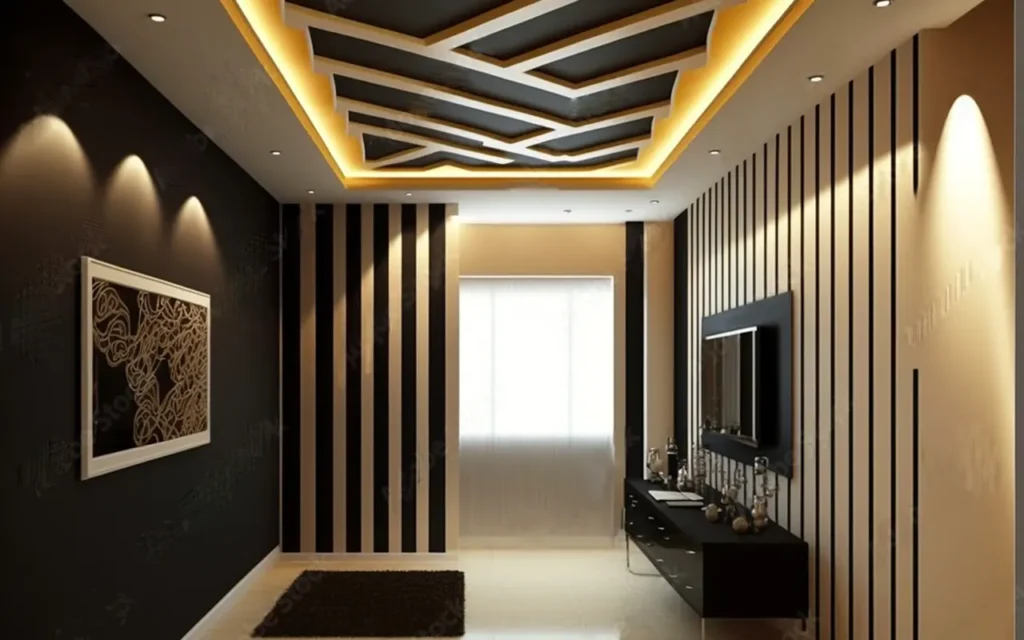
- Suspended Ceilings: Plasterboard can be used to design suspended or false ceilings, which not only improve the aesthetic of a room but also offer practical benefits like hiding wires and ducts. This can create a clean, organized look in offices, kitchens, and entertainment areas.
- Accent Walls: A plasterboard accent wall can add a focal point to any room. Whether you use it for textured designs, bold colors, or innovative patterns, a plasterboard feature wall can be a striking design element that enhances the overall aesthetic of the space.
- Recessed Lighting: Plasterboard can be used to create recessed lighting features, such as downlights or hidden LED strips, to add mood lighting and create a dramatic effect. This is particularly effective in modern interior designs, where lighting plays a key role in creating atmosphere.
Achieving Functionality with Plasterboard
While plasterboard’s aesthetic appeal is important, its functionality should never be overlooked. Plasterboard offers a range of functional benefits that make it the ideal choice for modern spaces. Here’s how plasterboard can provide the performance you need without compromising on design:
- Sound Insulation: Plasterboard is excellent for soundproofing, making it ideal for spaces where noise reduction is a priority, such as offices, recording studios, hotels, and multi-family housing. Specialized acoustic plasterboard can reduce sound transmission between rooms, ensuring privacy and peace.
- Thermal Insulation: With the right insulation layer, plasterboard can help regulate temperature, making rooms more energy-efficient and comfortable. This is particularly beneficial in areas that experience extreme weather conditions, helping to keep interiors warm in winter and cool in summer.
- Fire Protection: As mentioned earlier, fire-resistant plasterboard adds an extra layer of protection against the spread of fire. This makes it perfect for spaces that need enhanced fire safety, including stairwells, corridors, and apartment buildings. The combination of fire resistance with aesthetic finishes ensures that safety does not come at the expense of design.
- Moisture Resistance: For areas prone to humidity, such as bathrooms and kitchens, moisture-resistant plasterboard is a must. This type of plasterboard is treated to prevent mold and mildew growth, making it ideal for high-moisture environments where durability and hygiene are key considerations.
Sustainable Design with Plasterboard
In today’s world, sustainability is a top priority for both designers and clients. As demand for eco-friendly building materials grows, plasterboard stands out as an excellent option for sustainable design. Here’s how plasterboard can contribute to a greener building project:
- Recycled Materials: Many plasterboard products now include a significant percentage of recycled content, helping to reduce the environmental impact of manufacturing. By choosing plasterboard made from recycled gypsum, you can contribute to a more sustainable construction process.
- Energy Efficiency: The insulating properties of plasterboard, especially when combined with eco-friendly insulation materials, help to create energy-efficient buildings. This reduces the overall energy consumption of the space, contributing to lower carbon emissions and utility bills.
- Low Environmental Impact: Plasterboard is lightweight and easy to handle, which reduces transportation costs and energy use during installation. Additionally, plasterboard can be easily recycled at the end of its lifecycle, making it a sustainable choice for both construction and demolition projects.
The Future of Plasterboard Design
As technology and design trends continue to evolve, the future of plasterboard looks even more exciting. The integration of smart technologies and advanced manufacturing techniques will only enhance the potential of plasterboard in both functional and aesthetic applications. Some future trends include:
- Smart Plasterboard: Plasterboard with built-in sensors to monitor temperature, humidity, or even air quality is already on the horizon. These products will allow buildings to become more responsive to environmental changes, improving energy efficiency and occupant comfort.
- 3D Printed Plasterboard: The potential for 3D printing technology to create complex plasterboard shapes and structures could open up even more design possibilities. Imagine creating custom textures or intricate, one-of-a-kind features with ease.
Conclusion
Plasterboard has firmly established itself as a must-have material in modern design, offering an ideal combination of aesthetics, versatility, and functionality. Whether you’re looking to create sleek, minimalist interiors, enhance acoustics, or incorporate fire-resistant features, plasterboard provides the solution. With endless possibilities for creative expression and performance, plasterboard truly allows you to achieve the perfect balance between beauty and function in any project.