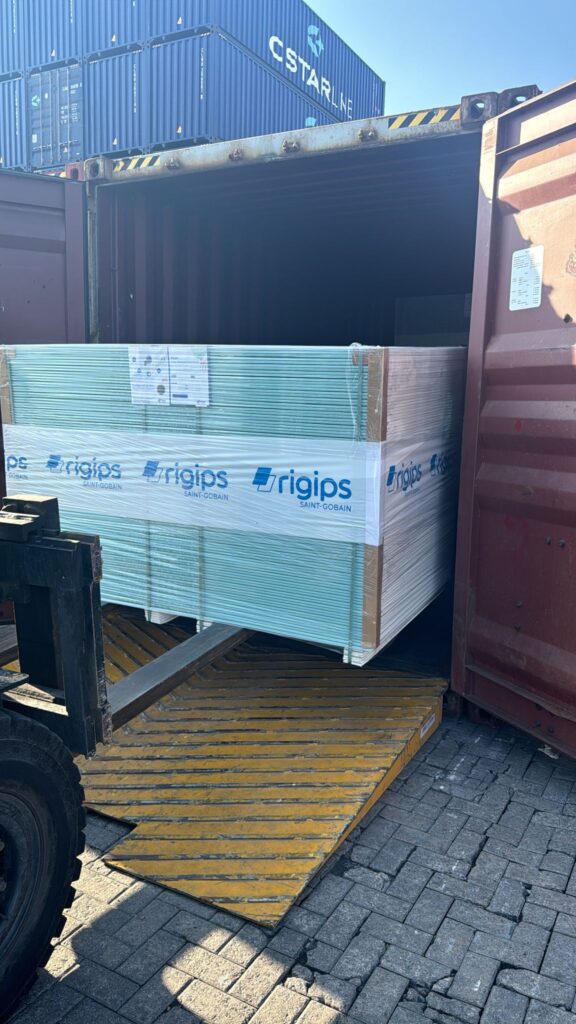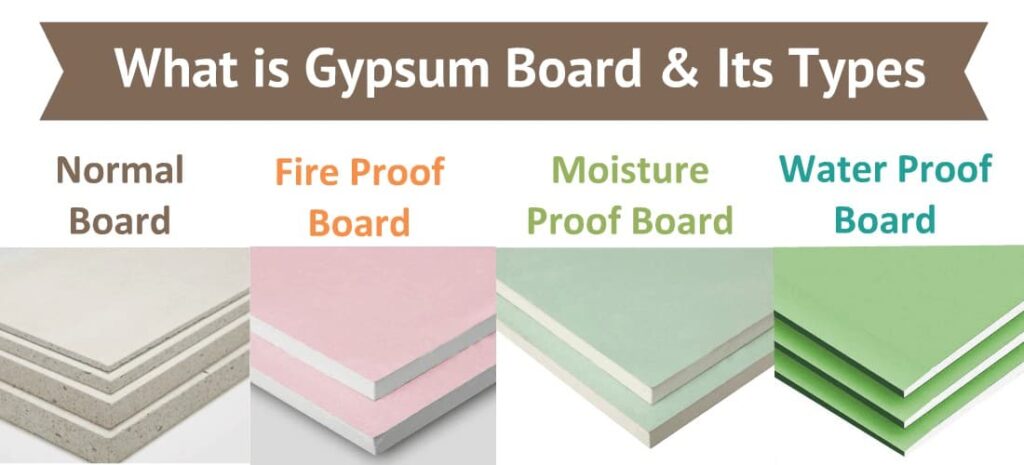
Gypsum board (also known as drywall) is a durable and versatile material widely used in the construction industry. It is preferred for wall and ceiling cladding in interior spaces due to its easy application and aesthetic appeal. However, depending on the area of the project, different types of gypsum boards should be used to meet specific requirements. In this article, we will discuss which types of gypsum boards are most suitable for different areas of a project.
General Interior Areas: Standard Gypsum Board
Standard gypsum board is the most commonly used type for general interior applications. It is ideal for residential buildings, offices, hotels, and other indoor spaces that do not require special resistance features. This board is known for its easy installation and smooth surface, which can be easily painted or finished.
Where Should It Be Used?
- Residential Areas: Living rooms, bedrooms, corridors, and other dry and standard conditions areas.
- Offices: Workspaces, conference rooms, and meeting rooms.
- Hotels and Commercial Buildings: Guest rooms, restaurants, and common areas.
Advantages:
- Cost-Effective: A budget-friendly option for general use.
- Quick Installation: Easy to handle and install, making the construction process faster.
- Aesthetic Finish: Provides a smooth surface that can be painted or decorated to achieve a modern look.
Humid Areas: Moisture-Resistant Gypsum Board (Green Board)
Humid areas, such as bathrooms, kitchens, and areas exposed to water vapor, require special consideration. Moisture-resistant gypsum board, commonly known as green board, is designed to withstand the high humidity in these spaces and provide better durability compared to standard gypsum board.
Where Should It Be Used?
- Bathrooms: Walls and ceilings in bathrooms and shower areas.
- Kitchens: Areas prone to high humidity and water vapor.
- Swimming Pool Surroundings: Wet areas exposed to high moisture levels.
Advantages:
- Water-Resistant: It offers resistance to moisture, making it suitable for damp environments.
- Durable: More durable than standard boards in humid conditions.
Fire-Safety Areas: Fire-Resistant Gypsum Board (Red Board)
Fire safety is a critical aspect of construction, particularly in buildings with high foot traffic or specific fire protection requirements. Fire-resistant gypsum board (red board) is designed to offer additional protection against fire hazards. It is typically used in areas where fire resistance is crucial.
Where Should It Be Used?
- Fire-Safety Critical Areas: Shopping malls, office buildings, hotels, hospitals, and other public spaces.
- High-Rise Buildings: Apartments and high-rise buildings where fire safety regulations must be met.
- Industrial Areas: Factories and manufacturing plants where fire risks are higher.
Advantages:
- Fire-Resistant: Provides enhanced protection against the spread of fire.
- Increased Safety: Essential for buildings where fire safety is a top priority.
Exterior Areas: Water-Resistant and Durable Gypsum Board
Exterior areas, such as facades and outdoor ceilings, are exposed to the elements and require a more robust gypsum board. Water-resistant gypsum board designed for external use offers durability and protection against the effects of weather conditions.
Where Should It Be Used?
- Balconies: Areas exposed to outdoor weather conditions.
- Facades: External walls of buildings.
- Outdoor Ceilings: Ceilings in outdoor areas that need weather protection.
Advantages:
- Durable: Suitable for areas exposed to harsh weather conditions.
- Water-Resistant: Resists moisture, preventing damage from water exposure.
Areas Requiring Sound Insulation: Soundproof Gypsum Board
In areas where soundproofing is a priority, such as offices, movie theaters, and conference rooms, soundproof gypsum board should be used. This type of gypsum board is designed to block sound transmission, providing a quieter and more comfortable environment.
Where Should It Be Used?
- Office Partitions: Workspaces and meeting rooms.
- Movie Theaters and Conference Rooms: Spaces where sound insulation is essential.
- Hotel Rooms: To ensure noise-free rooms for guests.
Advantages:
- Effective Soundproofing: Helps block sound from transferring between rooms or spaces.
- Comfortable Work and Living Environments: Reduces noise pollution, improving overall comfort.
Conclusion
Choosing the right type of gypsum board for different areas of a project is essential for the durability, safety, and aesthetic quality of the final result. For example, moisture-resistant boards are ideal for bathrooms and kitchens, while fire-resistant boards should be used in areas with strict fire safety requirements. Soundproof boards are perfect for spaces that require noise control, and durable boards are needed for outdoor or high-moisture environments. Understanding the specific needs of each area in your project will help you select the best gypsum board for each application, ensuring long-lasting and high-quality results.