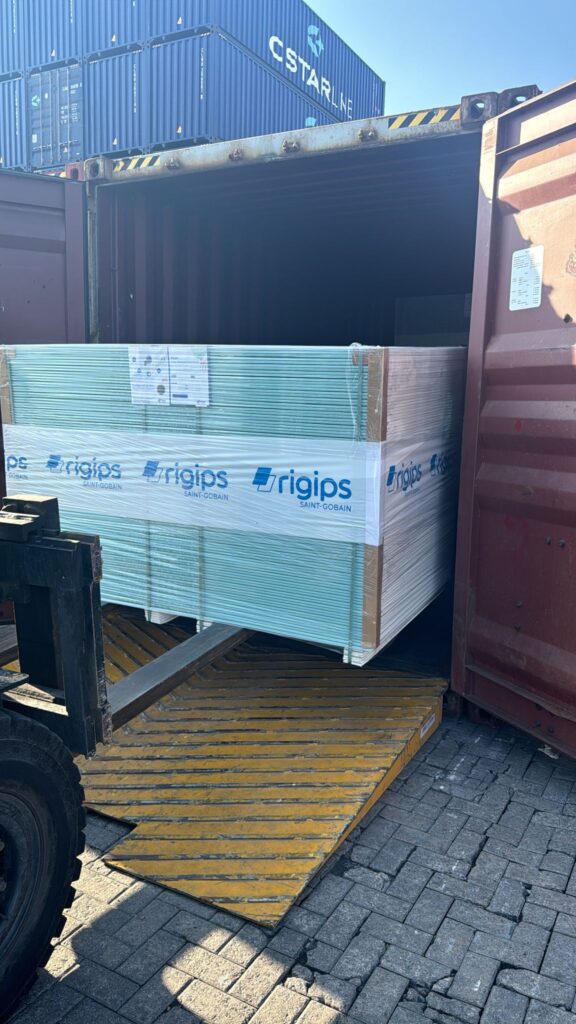
Gypsum board, or drywall, is one of the most popular materials used in modern construction for wall and ceiling applications. When it comes to installation, one of the most common questions that arise is whether to install gypsum board by gluing it to the surface or by using screws to secure it. Each method has its own benefits and limitations, and the choice between the two depends on several factors such as the type of project, the desired result, and the material being used. In this blog post, we will compare both methods and explore the advantages and disadvantages of each.
Gypsum Board Installation with Screws
Screwing gypsum boards into place is the most common and widely recommended method for installation, especially in construction projects that require durability and stability. Here’s why screws are typically preferred:
Advantages of Screwing:
- Strong and Secure Hold: Screws create a strong, durable bond between the gypsum board and the framing material (such as wood or metal studs). This method ensures the board stays securely in place over time, even in areas subject to movement or vibrations.
- Easier to Replace or Repair: If a gypsum board gets damaged, it is easier to remove and replace it when it’s installed with screws. The screws can be unscrewed without damaging the board, allowing for more efficient repairs.
- Precision and Adjustment: Screws allow for more precise adjustments during installation. The gypsum boards can be secured tightly, ensuring there are no gaps or uneven surfaces.
- Best for Large Areas: When installing gypsum boards in larger areas or for heavy-duty applications, screws provide a more reliable and secure connection than gluing, especially when heavier boards are involved.
Disadvantages of Screwing:
- Time-Consuming: The process of screwing each board into place can be time-consuming, especially for large projects. It also requires careful attention to ensure the screws are properly placed and not too deep into the board.
- Visible Fasteners: Screws leave visible marks on the surface, which require additional finishing work (such as applying joint compound and sanding) to create a smooth, seamless surface. This adds extra labor and time to the installation process.
Gypsum Board Installation with Glue
Gluing, also known as adhesive bonding, is a less common method of gypsum board installation, but it has its own set of advantages. This method is often used for specific types of applications or in situations where fewer fasteners are desired.
Advantages of Gluing:
- Faster Installation: Gluing can be a quicker process compared to screwing, especially when installing gypsum boards over smaller areas. It eliminates the need for drilling and screwing, reducing installation time.
- Smooth Surface: Since there are no visible screws or fasteners, gluing creates a seamless surface that doesn’t require as much finishing work. This can be beneficial in projects where aesthetics and smoothness are a priority.
- Less Labor-Intensive: Gluing requires less manual labor compared to screwing, as there’s no need to drill holes or drive screws into the boards. This can save time and reduce fatigue during installation.
Disadvantages of Gluing:
- Less Durable: Glue may not provide the same level of long-term security as screws, especially in environments subject to temperature fluctuations or vibrations. The bond may weaken over time, especially in areas with high humidity or moisture.
- Difficult to Replace or Repair: If a gypsum board installed with glue gets damaged or needs replacement, it can be more challenging to remove. The adhesive bond can be difficult to break without damaging the wall or the board itself.
- Limited Use: Gluing is often used for smaller-scale applications, such as in residential renovations or decorative features, but it is not ideal for large-scale projects or areas that require heavy-duty installation.
Which Method Should You Choose?
The decision of whether to glue or screw gypsum board depends largely on the specifics of your project. Here are some guidelines to help you make the right choice:
- Use Screws When:
- Working with large-scale construction projects, such as new home construction or commercial buildings.
- The area is subject to movement, vibrations, or high traffic.
- Durability and long-term stability are important.
- You need to be able to easily replace or repair the gypsum board.
- Use Glue When:
- Working on smaller renovation projects or areas where aesthetics are a priority.
- Speed and ease of installation are important.
- The gypsum board will not be exposed to high humidity or movement.
- You want to avoid visible fasteners and create a smooth, seamless surface.
Conclusion
Both gluing and screwing are viable methods for installing gypsum board, each offering specific advantages depending on the type of project. Screwing is the preferred method for larger, more durable installations, providing a strong, long-lasting bond. Gluing, on the other hand, offers a quicker and smoother installation process, making it suitable for smaller, less demanding applications. By carefully considering the needs of your project, you can choose the installation method that best suits your requirements and ensures a successful outcome.