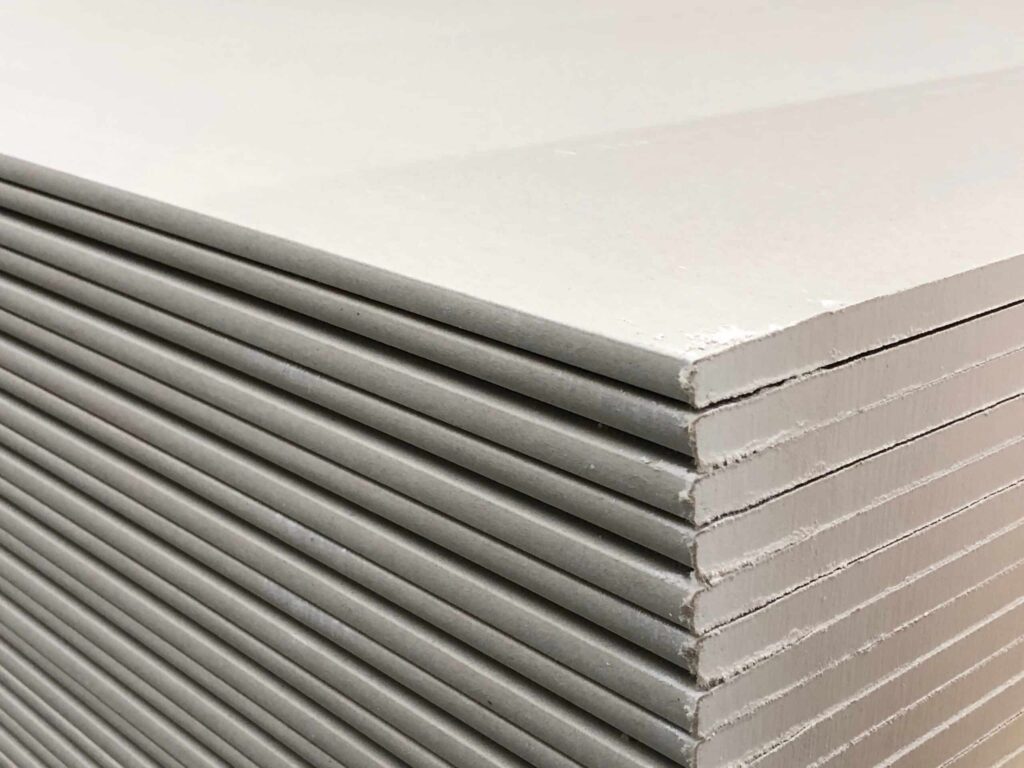
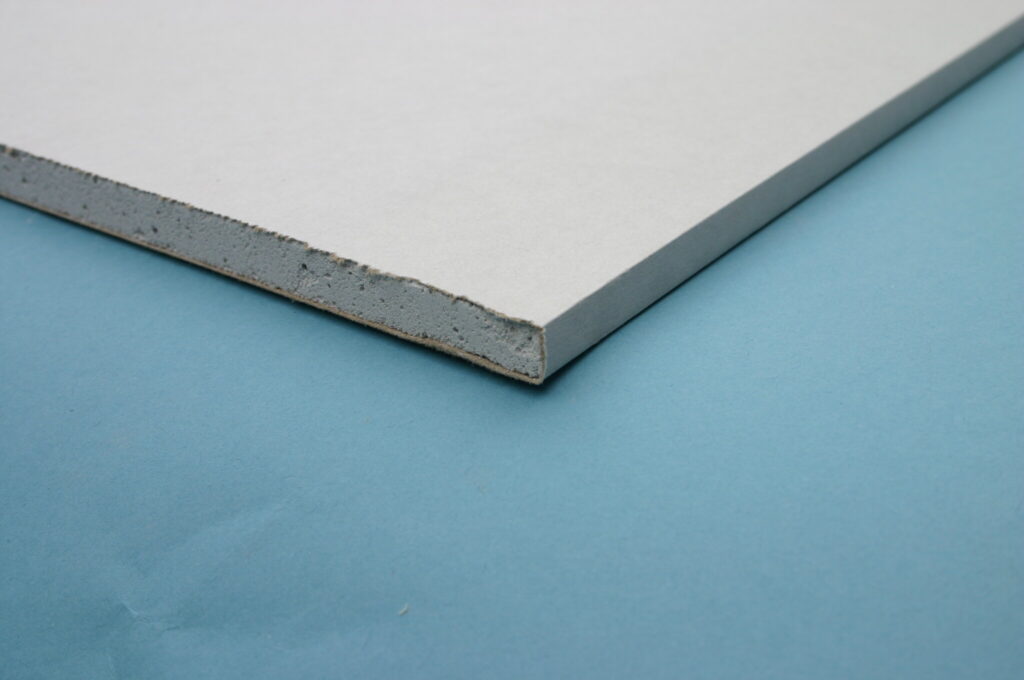
Plasterboard, also known as drywall or gypsum board, is a common material used in construction and interior design. It is crucial to understand the weights and dimensions of plasterboard when planning a project. Whether you’re handling large-scale commercial construction or a smaller residential renovation, knowing the standard sizes and weights can significantly impact project efficiency, costs, and installation procedures. In this blog post, we will explore the typical weights and dimensions of plasterboard, how they influence your project, and what factors to consider when purchasing.
Standard Plasterboard Sizes
Most Common Sizes:
- 2400mm x 1200mm (8ft x 4ft)
This is the most common size used in residential and commercial construction. It provides ample coverage while remaining manageable for installation. - 3000mm x 1200mm (10ft x 4ft)
This size is often used for larger projects where longer panels are required to cover more surface area and reduce the number of seams. - 3600mm x 1200mm (12ft x 4ft)
For very large walls or ceilings, these larger sheets can help reduce installation time by covering more space with fewer boards.
Thickness Options:
- 9.5mm (3/8″)
This thinner plasterboard is ideal for areas that don’t need to support heavy loads and is often used in residential interiors. - 12.5mm (1/2″)
The most commonly used thickness for general-purpose walls and ceilings in residential and commercial settings. - 15mm (5/8″)
Thicker plasterboard is used for enhanced fire resistance or where greater durability is needed.
Weight of Plasterboard Sheets
The weight of plasterboard sheets varies depending on the thickness and size of the board. Knowing the weight is important for handling, transport, and ensuring that the walls or ceiling can support the plasterboard.
Typical Weights:
- 9.5mm (3/8″)
A 2400mm x 1200mm sheet typically weighs around 7.5-9 kg (16.5-19.8 lbs). - 12.5mm (1/2″)
A standard 2400mm x 1200mm sheet weighs approximately 10-12 kg (22-26.5 lbs). - 15mm (5/8″)
The weight for a 2400mm x 1200mm sheet is around 12.5-15 kg (27.5-33 lbs).
Factors Affecting Plasterboard Dimensions and Weight
When choosing plasterboard for your project, several factors influence the dimensions and weight of the boards.
- Material Composition:
Standard plasterboard consists of a gypsum core, but specialized boards (e.g., fire-resistant, moisture-resistant) may contain additional materials, adding weight to the board. - Purpose and Usage:
The type of plasterboard you choose for a project affects its thickness and weight. For example, fire-resistant boards tend to be thicker and heavier, while lightweight boards are ideal for general-purpose use where weight reduction is crucial. - Manufacturing Standards:
Different regions may follow different manufacturing standards, affecting both the size and weight of the plasterboard. Always verify the specific dimensions and weight as per your local supplier’s specifications.
Calculating the Total Weight for Your Project
When planning your construction project, it’s important to calculate the total weight of plasterboard required. Knowing the total weight helps with estimating transportation costs, labor requirements, and installation timelines.
Steps to Calculate Total Weight:
- Measure the Total Area:
Calculate the total square footage or square meters of the walls and ceilings to be covered with plasterboard. - Choose Your Board Size and Thickness:
Based on the project’s needs, choose the appropriate size and thickness of plasterboard. - Determine the Weight per Sheet:
Use the weight of the plasterboard sheet (as provided by the manufacturer) based on its size and thickness. - Multiply the Number of Sheets by the Weight per Sheet:
This gives you the total weight of the plasterboard needed for the project.
How to Choose the Right Plasterboard Size and Weight for Your Project
Selecting the right plasterboard dimensions and weight depends on several factors, including the type of space you are building, the structural requirements, and the specific needs of the project.
Consider the Following:
- Project Scale:
Larger projects may benefit from using bigger plasterboard sheets to reduce the number of seams and simplify installation. However, smaller projects or renovations may require smaller, lighter boards that are easier to transport and maneuver. - Structural Integrity:
If the space requires additional strength or durability (e.g., for high-traffic areas, fire safety), consider thicker and heavier boards. - Handling and Transport:
Lighter plasterboard may be the better choice if manual handling or access to difficult spaces is required, whereas heavier boards may need special handling equipment.
Conclusion
Understanding the weights and dimensions of plasterboard is essential for making informed decisions about your construction project. By selecting the right size and weight of plasterboard, you can optimize installation times, manage costs, and ensure that your walls and ceilings are both functional and durable. Whether you’re working on a residential home, commercial building, or renovation project, plasterboard offers a wide range of options to suit your needs. Take the time to calculate your material requirements and choose the right plasterboard to make your project a success.
Call to Action
Need help choosing the right plasterboard for your project? Contact us today to explore our wide range of plasterboard options and get expert advice on the best choice for your needs!