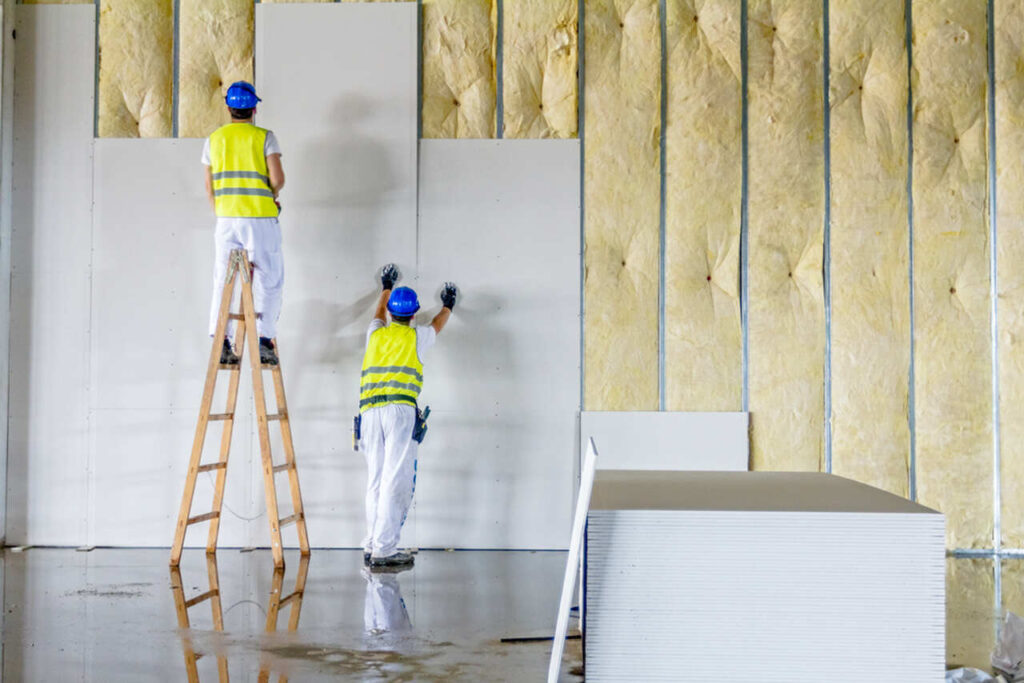
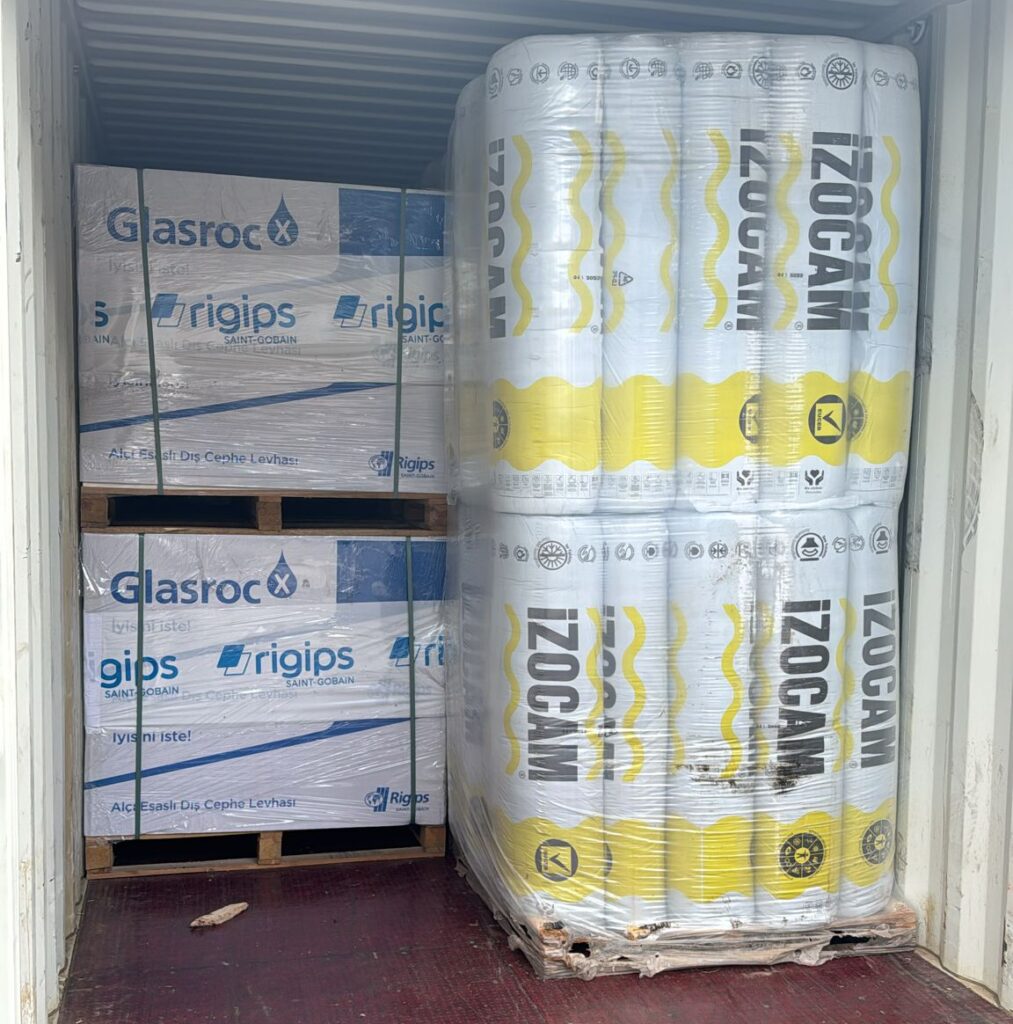
When it comes to drywall installation, understanding the weight and dimensions of the material is essential for planning, transportation, and ensuring a smooth construction process. Whether you’re working on a small residential project or a large-scale commercial building, knowing the exact specifications of the drywall sheets you are using will help avoid complications and delays.
In this blog, we will explore the typical weights and dimensions of drywall, the factors that can affect these measurements, and why they are crucial for your project.
Standard Drywall Dimensions
Drywall sheets come in several sizes, but the most common dimensions are as follows:
- Width: The standard width for drywall sheets is 4 feet (1.22 meters). This width fits most building framing systems, whether you’re working with wood or metal studs.
- Length: The length of drywall sheets can vary depending on the needs of the project. The most common lengths are:
- 8 feet (2.44 meters)
- 9 feet (2.74 meters)
- 10 feet (3.05 meters)
- 12 feet (3.66 meters)
- Thickness: Drywall sheets typically come in three main thicknesses:
- 1/4 inch (6.35 mm): Used for curves or adding a layer to existing walls.
- 1/2 inch (12.7 mm): The most common thickness for residential walls and ceilings.
- 5/8 inch (15.9 mm): Often used for fire-resistant drywall or in commercial applications where extra strength and soundproofing are needed.
These measurements are industry standards, but there are also specialized drywall sheets available that are tailored to specific needs, such as moisture-resistant drywall or fire-rated drywall.
Drywall Weights
The weight of drywall sheets can vary based on their thickness and size. Here are the average weights for standard drywall sheets:
- 1/4 inch (6.35 mm) Drywall: Typically weighs around 1.3-1.5 pounds per square foot (6-7 kg per square meter).
- 1/2 inch (12.7 mm) Drywall: This is the most common thickness and weighs approximately 2.2-2.5 pounds per square foot (10-12 kg per square meter).
- 5/8 inch (15.9 mm) Drywall: Heavier than the 1/2 inch version, this drywall usually weighs around 2.6-3 pounds per square foot (12-14 kg per square meter).
For example, a standard 4×8 foot sheet of 1/2 inch drywall weighs about 50-60 pounds (22-27 kg). Larger or thicker sheets will naturally weigh more.
Factors That Affect Drywall Weight and Dimensions
Several factors can influence the weight and size of drywall sheets:
- Material Type: Some types of drywall, such as fire-rated or moisture-resistant drywall, will be heavier due to the additional materials used in their production. For instance, fire-resistant drywall is typically denser and weighs more than regular drywall.
- Manufacturer Specifications: While there are industry standards, some manufacturers may produce drywall that slightly deviates from the typical size and weight. Always check the specifications for the exact weight and dimensions before purchasing.
- Moisture Content: Drywall with high moisture content (such as moisture-resistant drywall) will generally be heavier than regular drywall due to the added moisture resistance.
How Drywall Weights and Dimensions Impact Installation
When planning for drywall installation, understanding the weight and dimensions of the drywall you will be using is important for several reasons:
- Transportation and Handling: The heavier the drywall sheet, the more difficult it will be to transport and handle. It may require more labor, or even a lifting system, for proper installation.
- Framing Considerations: The weight of drywall can impact the framing system used. Heavier drywall may need additional framing support to ensure that it is securely mounted without causing damage to the structure.
- Load-Bearing Capacity: Drywall itself is not load-bearing, but in some applications, such as ceilings or tall partitions, the weight of the drywall must be considered to ensure that the supporting structure is strong enough to handle the load.
How to Calculate Drywall Weight for Your Project
To calculate the weight of drywall sheets for your project, multiply the area of the sheet (in square feet or square meters) by the weight per square foot or square meter for the specific thickness. For example:
- For a 4×8 foot sheet of 1/2 inch drywall:
- Area: 4 x 8 = 32 square feet
- Weight: 2.2 pounds per square foot
- Total Weight: 32 x 2.2 = 70.4 pounds (about 32 kg)
This calculation will give you a rough estimate of the total weight for the drywall sheets you’ll be using in your project.
Conclusion
Understanding the weights and dimensions of drywall is crucial for both the planning and execution of your construction or renovation project. The right drywall type, size, and thickness can affect everything from transportation to installation to the overall performance of the wall or ceiling.
By considering these factors early on, you can make more informed decisions and avoid potential issues during your project. Whether you are building or renovating, the weight and dimensions of drywall will play an important role in the success of your project.
Call to Action
Ready to choose the right drywall for your project? Contact us today for expert advice on selecting the right dimensions and weight for your specific needs. Our team is here to ensure your drywall installation is a success, from start to finish!