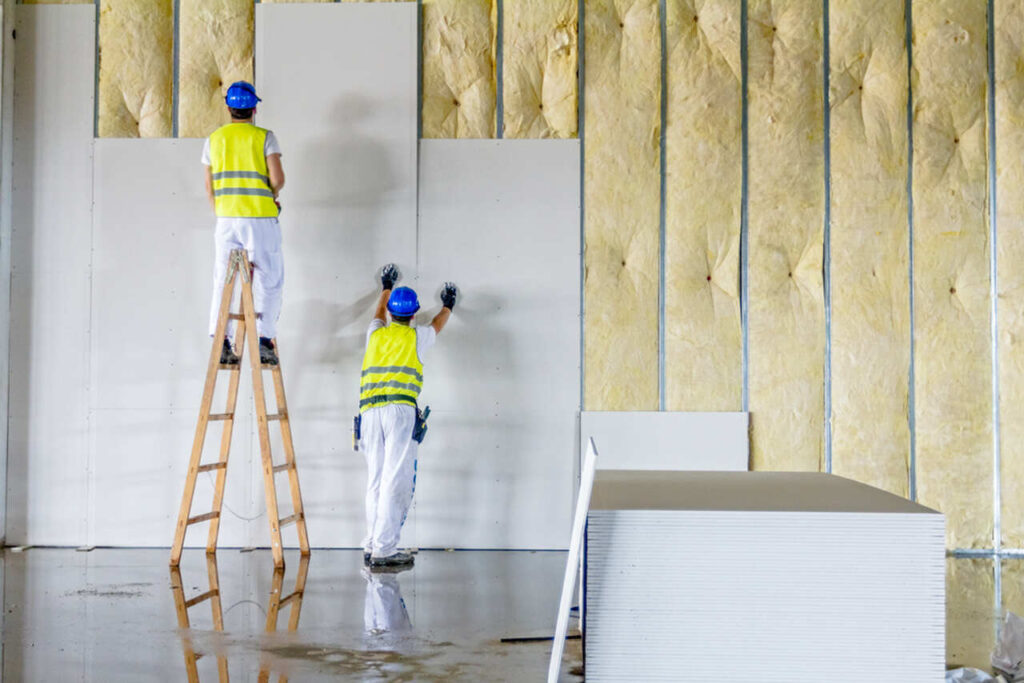
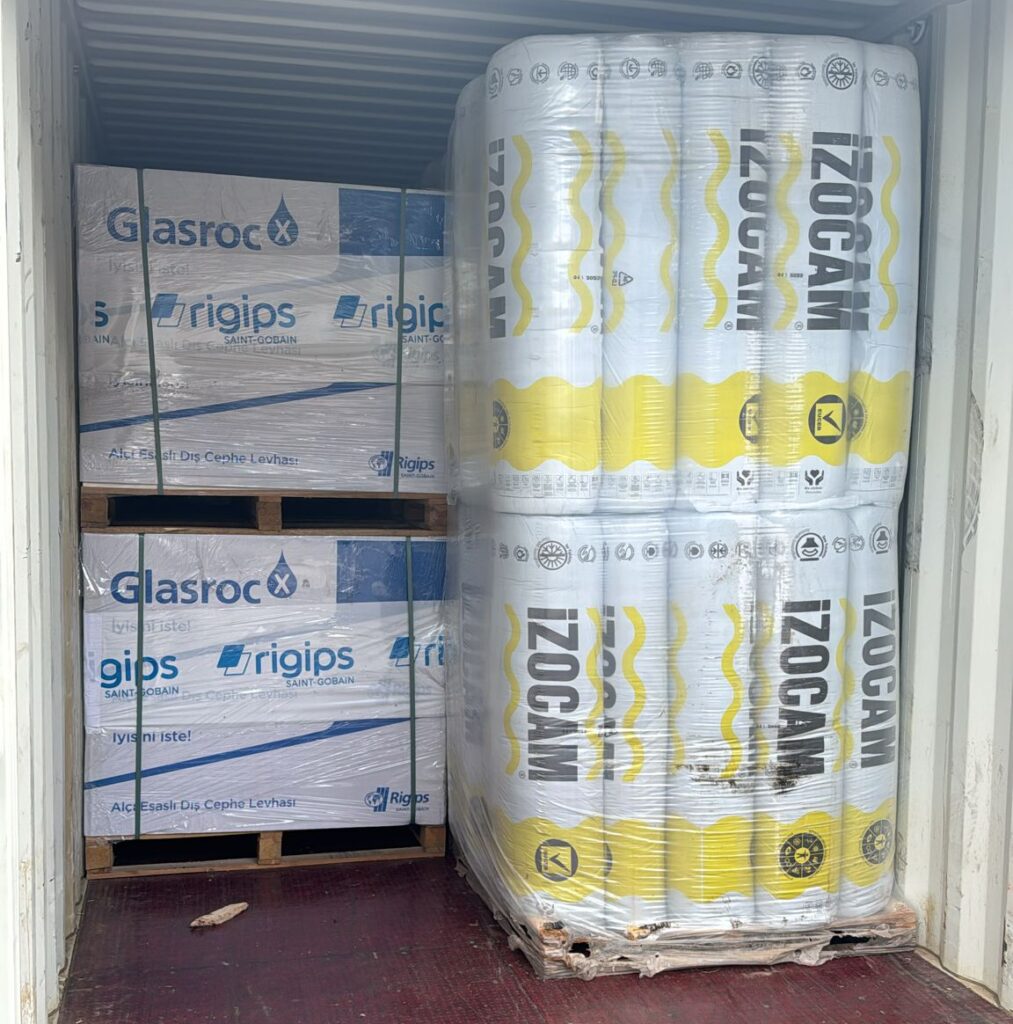
Drywall partitions have become a go-to option for dividing spaces in both residential and commercial buildings. These partitions offer a flexible, cost-effective, and efficient way to create well-defined rooms without the need for permanent, heavy construction. Whether you’re redesigning your office layout or need to separate rooms in a home, drywall partitions can deliver the results you need with minimal hassle.
In this blog, we’ll explore the benefits, installation process, and key considerations when using drywall partitions, and why they’re an excellent choice for your next project.
What Are Drywall Partitions?
Drywall partitions are non-load-bearing walls made of drywall sheets attached to a frame of either metal studs or wooden beams. These partitions do not carry structural loads and are used primarily for separating spaces, creating temporary or permanent room divisions. They’re commonly used in commercial, industrial, and residential settings to create smaller rooms, storage areas, or simply to divide larger spaces.
Why Choose Drywall Partitions?
a) Cost-Efficiency
Compared to traditional masonry walls, drywall partitions are significantly more cost-effective. The materials are less expensive, and the installation process is quicker and requires less labor, which reduces overall project costs.
b) Fast Installation
The installation of drywall partitions is much faster than building brick or concrete walls. The framing is easy to assemble, and drywall sheets can be mounted quickly, saving both time and money on construction projects. This fast turnaround makes drywall partitions ideal for projects with tight deadlines.
c) Flexibility and Design Options
Drywall partitions are incredibly versatile. They can be customized in various sizes, shapes, and finishes to suit the aesthetic and functional needs of any space. You can choose from a range of surface textures, paint finishes, and even use soundproof drywall for improved noise insulation.
d) Improved Acoustic and Thermal Insulation
Drywall partitions are designed to offer good soundproofing and thermal insulation, which is crucial for maintaining comfort in a space. They can help reduce noise between rooms and contribute to energy savings by improving heat retention, making them an excellent choice for offices, studios, and residential applications.
e) Fire Safety
Drywall partitions provide fire resistance. Fire-rated drywall can withstand high temperatures and slow the spread of flames, which makes these partitions ideal for use in areas with stringent fire safety codes, such as hospitals, schools, and office buildings.
Considerations When Installing Drywall Partitions
a) Planning the Layout
Before you start building your drywall partition, it’s essential to plan the layout of your space carefully. Think about how the partition will affect the flow of the room, the function of the new spaces, and any future modifications. Well-thought-out planning ensures that the partition serves its intended purpose without unnecessary disruptions.
b) Selecting the Right Drywall Type
Not all drywall is the same. Depending on the environment, you’ll need to select the appropriate type of drywall for your partition. For instance, moisture-resistant drywall is ideal for bathrooms, kitchens, or areas with high humidity, while fire-rated drywall is necessary for areas that require enhanced fire safety. The right drywall type will improve performance and longevity.
c) Structural Integrity
Although drywall partitions are non-load-bearing, proper installation is crucial to ensure they are structurally sound. Ensure that the framing is secure, and the drywall sheets are properly affixed to prevent sagging, shifting, or cracking over time.
d) Budgeting
While drywall partitions are affordable, it’s important to balance the initial cost with the quality of materials used. Opting for cheap drywall may lead to issues like cracks, poor insulation, or premature wear. Always consider durability, especially for high-traffic areas.
How Are Drywall Partitions Installed?
The installation process for drywall partitions typically follows these steps:
- Preparation: Clear the area where the partition will be built, ensuring that the space is ready for framing and drywall sheets.
- Framing: Construct the frame using metal studs or wooden beams. This will support the drywall sheets.
- Attaching Drywall Sheets: Drywall sheets are attached to the frame using screws or nails. The seams between the sheets are sealed with joint compound.
- Finishing: Once the drywall is in place, the seams are smoothed out with joint compound, sanded, and prepared for painting or finishing.
Where Are Drywall Partitions Used?
Drywall partitions are widely used in various settings, including:
- Commercial Spaces: In offices, drywall partitions are used to create private offices, meeting rooms, or cubicles. They allow for easy reconfiguration of spaces to meet the needs of different teams or departments.
- Retail Environments: Retailers use drywall partitions to create fitting rooms, storage areas, and specialized sections for displays.
- Healthcare Facilities: In hospitals and clinics, drywall partitions are often used to create patient rooms, exam rooms, and administrative offices.
- Residential Projects: In homes, drywall partitions are used to add rooms, such as bedrooms, bathrooms, or home offices, in open floor plans.
Conclusion
Drywall partitions provide a flexible, cost-effective, and time-efficient solution for creating customized spaces within buildings. Whether you’re working on a commercial, industrial, or residential project, drywall partitions can help achieve your goals without compromising on quality or design. From providing privacy to improving insulation and safety, drywall partitions are an essential building material that meets modern construction needs.
Call to Action
Are you ready to optimize your space with drywall partitions? Contact us today for expert advice on the best materials and installation services to suit your project. Our team is here to help you create efficient, functional spaces with drywall partitions!