When it comes to interior wall construction, two materials often come up: drywall and plasterboard. While both serve similar purposes in creating smooth walls and ceilings, many people use these terms interchangeably. However, there are subtle differences that can affect your decision on which material to choose for your project. In this blog, we will explore the key differences between drywall and plasterboard to help you make an informed decision.
What Is Drywall?
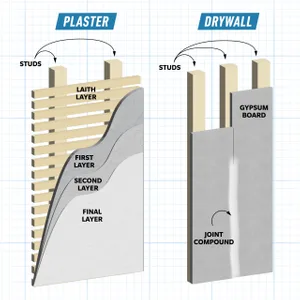
Drywall, also known as gypsum board, is a widely used building material made of a gypsum core pressed between two layers of thick paper. It is used to create walls and ceilings in both residential and commercial buildings. Drywall is highly preferred for its ease of installation, cost-effectiveness, and versatility.
What Is Plasterboard?
Plasterboard is another term for drywall, particularly in countries like the UK. It is made using the same materials as drywall – a gypsum core and paper sheets. The term “plasterboard” is commonly used in Europe and Australia, while “drywall” is more prevalent in North America. Essentially, plasterboard and drywall are the same material, with regional terminology differences being the only distinction.
Key Differences Between Drywall and Plasterboard
While drywall and plasterboard are essentially the same product, there are a few notable differences that are worth considering:
- Terminology: As mentioned earlier, the primary difference between drywall and plasterboard is the terminology used in different parts of the world. In North America, “drywall” is the standard term, while “plasterboard” is more commonly used in Europe and Australia.
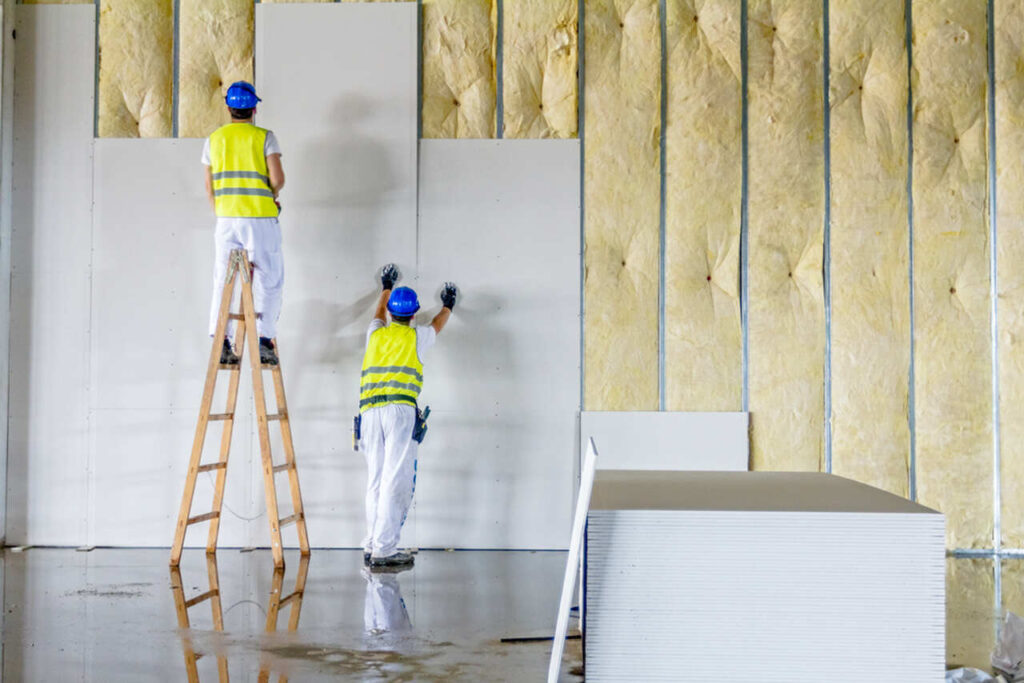
- Installation Process: There is no significant difference in the installation process of drywall and plasterboard. Both materials are installed using similar techniques, such as measuring, cutting, and attaching the boards to studs with screws or nails. However, some contractors in different regions may use slightly different methods due to local preferences.
- Varieties and Types: Both drywall and plasterboard come in various types designed for specific applications, such as fire-resistant, moisture-resistant, and soundproof varieties. The types available may vary slightly depending on the region, but the core materials and functionalities are the same.
Drywall (Plasterboard) in Construction
Both drywall and plasterboard are used for a variety of construction purposes, including:
- Walls and Ceilings: These materials are primarily used for interior walls and ceilings. They provide a smooth, clean finish and are easily paintable or finished with wallpaper.
- Partitions and Dividers: Drywall is a popular choice for creating partitions or room dividers in commercial spaces and homes.
- Fire and Moisture Protection: Special types of drywall, such as fire-resistant and moisture-resistant drywall, are ideal for areas where extra protection is required, such as kitchens, bathrooms, or areas with high humidity.
- Soundproofing: Acoustic drywall is commonly used in spaces requiring sound isolation, such as recording studios, offices, or residential apartments.
Advantages of Drywall/Plasterboard
Speed of Installation: Drywall and plasterboard are fast to install compared to traditional plastering methods. They offer a quicker way to finish walls and ceilings, allowing projects to progress more efficiently.
Cost-Effective: Drywall is generally less expensive than plaster, which requires more labor and materials for application. This makes drywall a more cost-effective option for both small-scale and large-scale construction projects.
Versatility: Drywall and plasterboard can be used in various applications, including residential homes, offices, schools, and hospitals. They can be easily cut, shaped, and customized to fit any design.
Ease of Maintenance: Drywall is easy to maintain, as it can be repaired quickly with joint compound and paint. If a section gets damaged, replacing drywall is often simpler and faster than reapplying plaster.
Which One Should You Choose?
Ultimately, the choice between drywall and plasterboard comes down to terminology and regional preferences. If you’re in North America, “drywall” is the term you will encounter most often. In Europe, plasterboard is the common term. However, the materials themselves are virtually identical in terms of composition and use.
When deciding which type to use, consider the following factors:
- Project Type: If you’re looking for a quick and cost-effective way to finish walls and ceilings, drywall or plasterboard is the way to go. It’s suitable for residential, commercial, and industrial projects.
- Local Regulations and Preferences: Be sure to follow local building codes and use the type of drywall or plasterboard that meets these regulations.
- Customization Needs: If you need specialized drywall or plasterboard, such as fire-resistant or moisture-resistant types, make sure to choose the appropriate variant based on the specific requirements of your space.
Conclusion
Although “drywall” and “plasterboard” are essentially two terms for the same material, understanding the subtle differences can help you make the right choice for your construction project. Drywall (plasterboard) is a versatile, cost-effective, and easy-to-install material suitable for a variety of applications. Whether you’re renovating a home, building an office, or constructing a commercial space, drywall or plasterboard is an excellent choice for your needs.
Call to Action
If you’re ready to start your drywall or plasterboard project, our team is here to guide you through the process. Contact us today to get expert advice and high-quality materials for your next construction project!