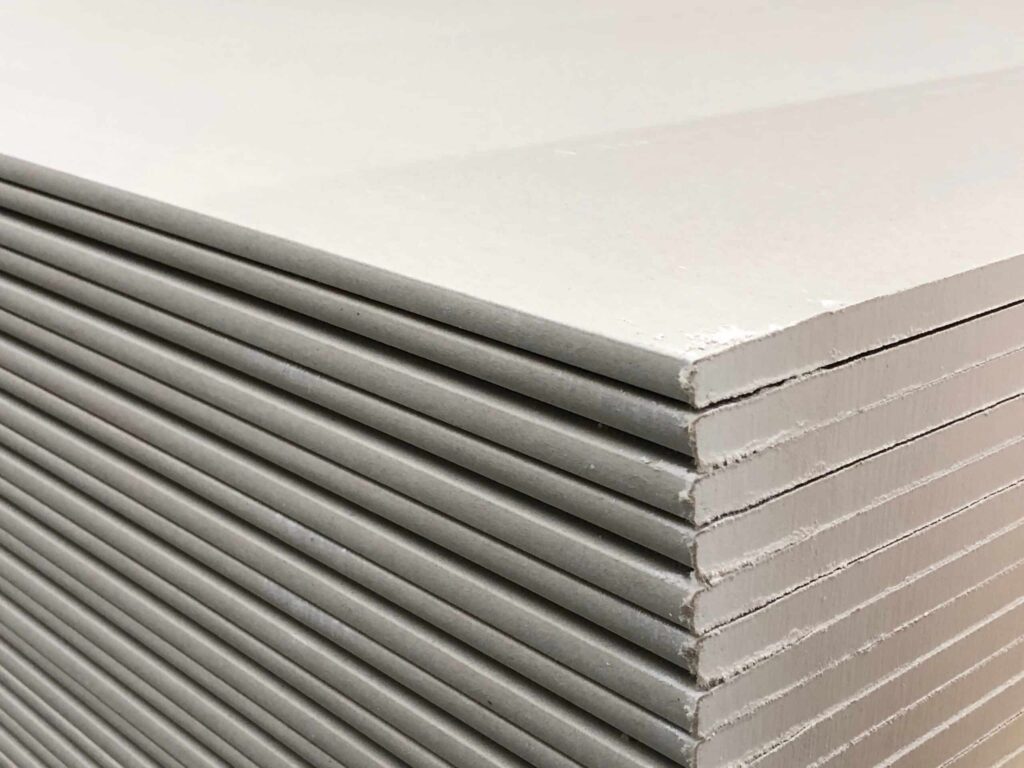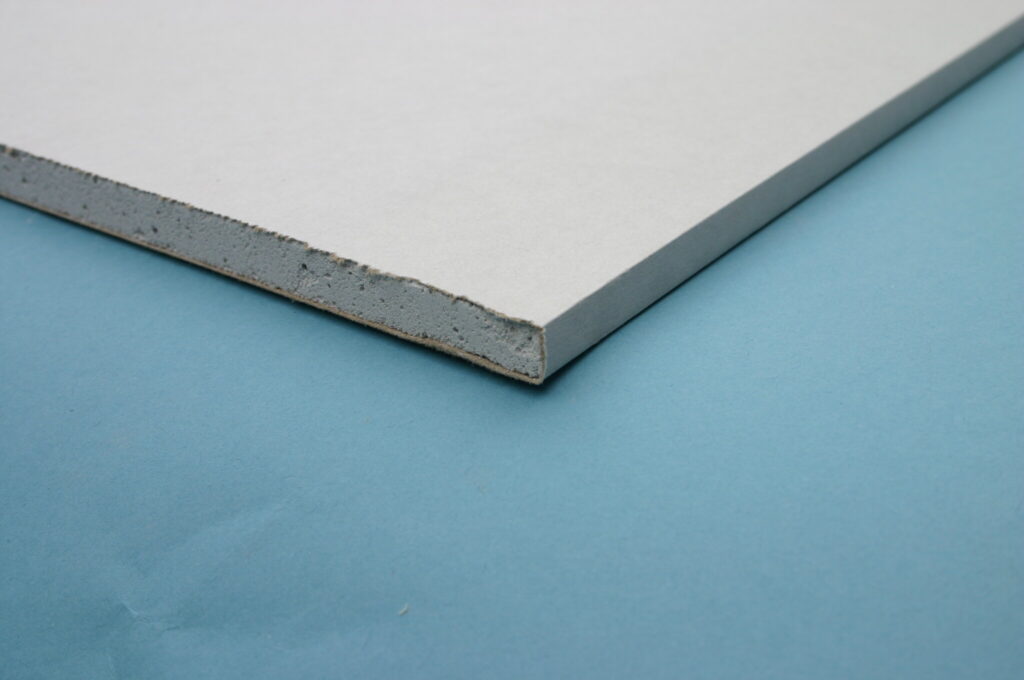
Plasterboard, also known as drywall, is one of the most versatile materials used in modern construction. With its lightweight nature, ease of installation, and adaptability, plasterboard has become the go-to choice for a wide range of applications. From residential homes to commercial buildings, plasterboard offers solutions for both aesthetic appeal and functional purposes. In this blog, we’ll explore the various areas where plasterboard is used, highlighting its versatility and why it’s a preferred material in the construction industry.
Residential Interiors: Creating Functional and Aesthetic Spaces
Plasterboard is widely used in residential construction, offering both functional and aesthetic benefits. Here’s how it’s applied in homes:
- Walls and Partitions: Plasterboard is the most common material used for constructing interior walls and partitions, providing a smooth, seamless finish ideal for painting or wallpapering.
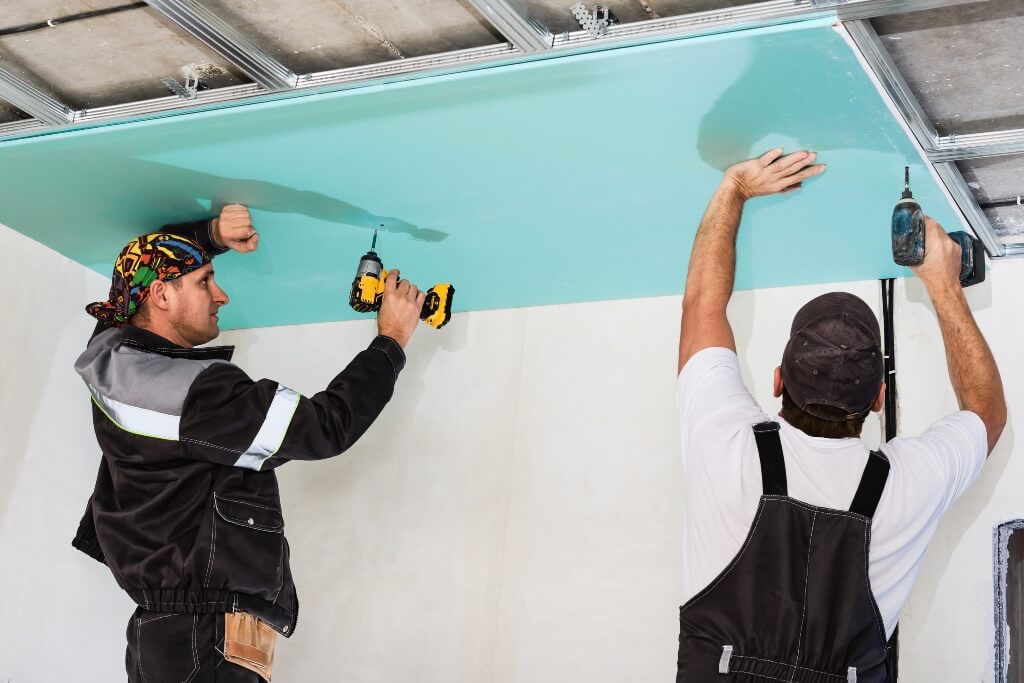
- Ceilings: Plasterboard is used for creating smooth and durable ceilings that are easy to maintain and decorate.
- Basements and Attics: In areas with temperature fluctuations or moisture concerns, moisture-resistant plasterboard can be installed to prevent mold and ensure long-lasting durability.
- Fire Resistance: Fire-resistant plasterboard can be used in areas like kitchens and utility rooms, enhancing safety by reducing the spread of flames in the event of a fire.
Pro Tip: Plasterboard is a great material for adding modern, functional features to homes while maintaining an aesthetic appeal.
Commercial Spaces: Enhancing Durability and Efficiency
Commercial buildings, including offices, shops, and restaurants, often require plasterboard for a combination of durability, practicality, and energy efficiency. Common uses include:
- Office Partitions: Plasterboard is used to create flexible office spaces, dividing large rooms into smaller, more functional areas without compromising on style or light flow.
- Ceilings and Suspended Ceilings: Commercial spaces often use plasterboard for suspended or drop ceilings, which can house lighting, air conditioning ducts, and other utilities.
- Meeting Rooms and Conference Halls: Plasterboard can help achieve acoustic insulation, improving the sound quality within large meeting rooms or conference halls.
- Retail Stores: Retail spaces use plasterboard for both practical purposes (partitioning spaces) and visual appeal, as it can be easily customized to fit any design.
Key Insight: Plasterboard helps improve both the functionality and aesthetic of commercial spaces, making it a favorite among business owners and designers.
Hotels and Hospitality: Combining Aesthetics with Comfort
In the hospitality industry, plasterboard plays a significant role in creating comfortable, safe, and attractive environments for guests. Here’s how it’s utilized:
- Guest Rooms: Plasterboard is ideal for creating partition walls in hotel rooms, ensuring privacy while maintaining sleek and stylish interiors.
- Lobbies and Hallways: Plasterboard can be used for both decorative and functional purposes in public areas, offering flexibility in design and easy maintenance.
- Sound Insulation: Hotels often use plasterboard with soundproofing properties to reduce noise between rooms and ensure guests have a quiet, restful experience.
- Fire Safety: Fire-rated plasterboard helps create safe environments by providing a protective barrier between hotel rooms and public spaces.
Pro Tip: For high-end hotels, plasterboard can be used in combination with decorative finishes, creating sophisticated spaces that are both functional and visually appealing.
Healthcare Facilities: Ensuring Safety and Hygiene
In healthcare construction, the primary concerns are safety, hygiene, and durability. Plasterboard is widely used in medical facilities, such as hospitals and clinics, due to its numerous benefits:
- Cleanability: Plasterboard’s smooth surface makes it easy to clean, which is essential in environments where hygiene is a priority, like operating rooms and patient wards.
- Moisture Resistance: Bathrooms, laundry areas, and other wet zones in healthcare facilities use moisture-resistant plasterboard to prevent mold growth and ensure long-lasting durability.
- Fire Resistance: Fire-resistant plasterboard is used in hallways, emergency rooms, and stairwells to enhance fire protection and comply with building regulations.
- Acoustic Properties: Plasterboard is effective in soundproofing patient rooms and treatment areas, contributing to a quiet and peaceful environment for recovery.
Educational Institutions: Providing Safe and Functional Learning Spaces
Schools, universities, and other educational institutions benefit from plasterboard in a variety of ways. Here are some common applications:
- Classroom Walls: Plasterboard is used to create the internal walls of classrooms, offering smooth surfaces that can be easily painted and adapted to different classroom layouts.
- Libraries and Study Areas: Plasterboard helps create quiet, acoustically optimized spaces where students can concentrate and learn.
- Hallways and Corridors: Schools use plasterboard to create safe and durable hallways and corridors that are easy to maintain and clean.
- Multipurpose Rooms: In multi-functional rooms like gyms and auditoriums, plasterboard helps divide spaces, control sound, and maintain visual consistency throughout the building.
Key Insight: Plasterboard ensures that educational institutions are safe, durable, and flexible, providing optimal environments for learning and teaching.
Industrial and Warehouse Spaces: Durability and Easy Maintenance
While residential and commercial spaces benefit from plasterboard’s aesthetic features, industrial and warehouse buildings prioritize durability and practicality. Here’s how plasterboard is applied:
- Partition Walls: Plasterboard is used to divide large, open spaces into more functional areas, such as offices within a warehouse or production facilities.
- Ceilings: In industrial spaces, plasterboard is used for ceilings that house utilities, electrical systems, and insulation.
- Moisture and Fire Resistance: In industrial areas prone to extreme conditions, moisture- and fire-resistant plasterboard helps ensure safety and longevity.
Pro Tip: Plasterboard offers industrial facilities an affordable and effective solution for space optimization and safety management.
Conclusion
From residential homes to commercial buildings, healthcare facilities to educational institutions, plasterboard continues to prove its versatility and effectiveness as a building material. Its ease of installation, affordability, and adaptability make it the go-to choice for a wide range of construction projects. Whether you’re looking to divide spaces, enhance acoustics, or improve thermal performance, plasterboard offers the perfect solution for any construction need.
Call to Action
Ready to incorporate plasterboard into your next project? Contact us today to learn more about how plasterboard can meet your specific needs, from design flexibility to practical performance!