When it comes to construction and interior design, drywall is a fundamental material known for its quick installation, affordability, and versatility. From homes to offices, commercial buildings to residential properties, drywall is the ideal choice for interior walls and ceilings. In this article, we will explore what drywall is, where it’s used, its benefits, and the different types available.
What is Drywall?
Drywall, also known as plasterboard or gypsum board, is made of a gypsum core encased between layers of paper or fiberglass. It’s primarily used for interior walls and ceilings, and its quick installation and smooth finish make it an essential material in modern construction projects.
Benefits of Using Drywall
- Quick Installation and Cost Savings: Drywall can be installed quickly, which saves time and reduces labor costs in large construction projects. Additionally, its affordability makes it a popular choice for both residential and commercial projects.
- Soundproofing Capabilities: Drywall offers excellent soundproofing properties. It is ideal for spaces where noise reduction is important, such as offices, apartment buildings, and recording studios.
- Aesthetic Flexibility and Design Options: The smooth surface of drywall makes it suitable for painting, wallpapering, or adding texture, providing numerous aesthetic possibilities. It is also perfect for creating custom designs, like niches, curved walls, and decorative elements.
- Fire Safety: The gypsum in drywall contains water molecules that help it resist fire. This fire-resistant property makes drywall an essential material in areas requiring extra safety, especially in kitchens, garages, and multi-story buildings.
- Eco-Friendly and Easy to Recycle: Drywall is an environmentally friendly material. It’s recyclable and often made from recycled content, making it a sustainable choice for modern construction.
Where is Drywall Used?
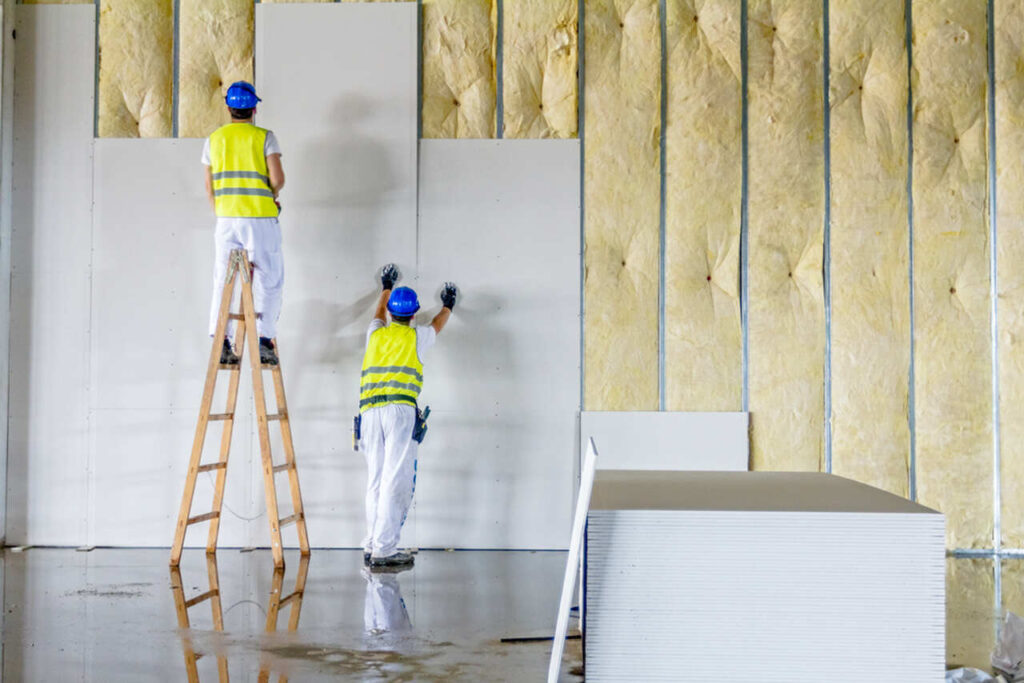
- Interior Walls and Partitions: Drywall is commonly used to quickly build interior walls and partitions in both residential and commercial spaces. Its quick installation helps divide large areas into smaller rooms or offices efficiently.
- Ceiling Applications: Drywall is also widely used for ceilings. It provides a clean, seamless look while offering additional benefits like soundproofing and insulation. In commercial spaces, drywall ceilings often conceal wiring and ductwork, providing a cleaner appearance.
- Fire-Safe Zones: Fire-resistant drywall is essential in creating fire-safe barriers, particularly in areas like garages, utility rooms, and multi-unit buildings. It offers extra protection that may be required by building codes.
- Soundproofing for Privacy: For spaces where sound insulation is critical—like bedrooms, offices, or music studios—drywall is an excellent choice. Its soundproofing properties create quieter environments by minimizing noise transfer.
- Decorative Design Elements: Beyond functionality, drywall is also used for creating architectural features like alcoves, tray ceilings, and shelves. It allows interior designers to add depth and character to a space with minimal effort.
Types of Drywall and How to Choose the Right One
Drywall comes in different types, each designed for specific uses. Here are the most common types:
- Standard Drywall: Ideal for most interior wall and ceiling applications.
- Moisture-Resistant Drywall: Known as “green board,” it’s perfect for areas with high humidity, like bathrooms and kitchens.
- Fire-Resistant Drywall: This type offers extra fire protection and is used in areas where fire safety is a priority.
- Soundproof Drywall: Designed to block noise, making it ideal for spaces that require privacy or quiet, like home theaters or offices.
- Mold-Resistant Drywall: This type helps prevent mold growth in areas prone to high humidity.
Choosing the right drywall type ensures durability, safety, and efficiency in your project.
Tips for Working with Drywall
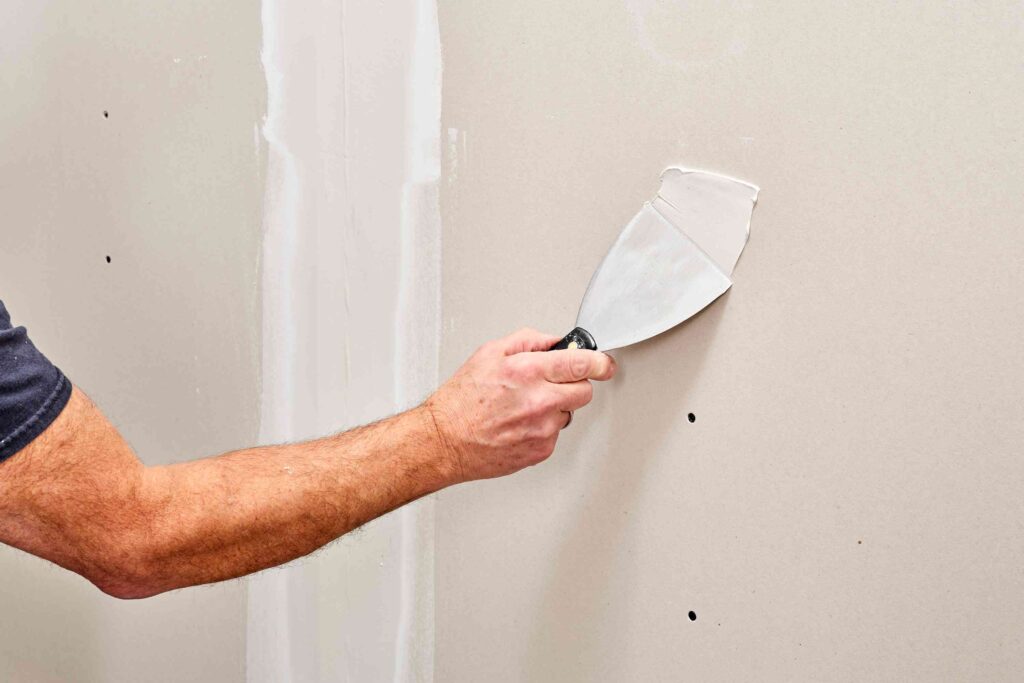
For the best results, it’s essential to work with experienced professionals who can ensure smooth and precise drywall installation. Proper finishing of seams and joints is key to achieving a flawless surface. Regular maintenance, such as checking for cracks or moisture damage, will help prolong the life of your drywall.
Transform Your Spaces with Drywall
Drywall has become a staple in modern construction due to its quick, cost-effective, and versatile nature. Whether you need durable interior walls, fire-resistant barriers, or soundproof solutions, drywall offers the ideal solution. It’s not just functional—it’s also a key element in creating beautiful, safe, and energy-efficient spaces.