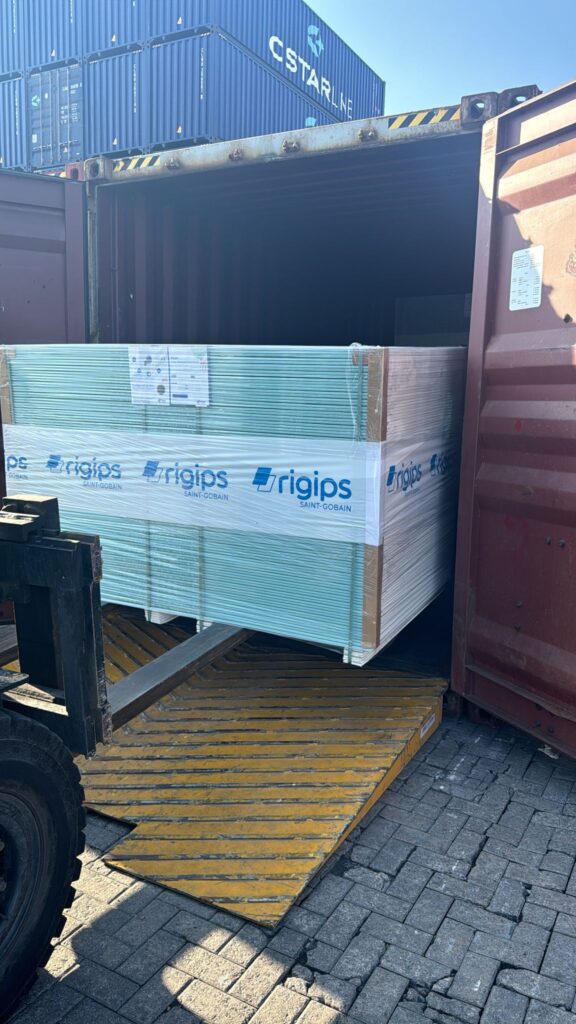
Gypsum board (drywall) is a widely used material in the construction industry. While it is known for its lightweight and versatile applications, understanding its weight is crucial for selecting the right material for different projects. Gypsum board weights vary depending on thickness, dimensions, and type. In this article, we’ll explore the weights of gypsum boards and the factors that influence them.
Factors That Determine Gypsum Board Weight
Thickness
The weight of a gypsum board is directly related to its thickness. Thicker boards contain more material, making them heavier. Common thickness options include:
- 9.5 mm (3/8 inch): Used for lightweight applications.
- 12.5 mm (1/2 inch): The standard choice for walls and ceilings.
- 15 mm (5/8 inch): Preferred for projects requiring fire resistance and sound insulation.
Dimensions
The board’s width and length significantly affect its weight. Standard dimensions are typically 120 cm x 240 cm (4 ft x 8 ft), but larger boards (e.g., 4 ft x 12 ft) will weigh more.
Type of Board
The type of gypsum board also influences its weight:
- Standard Gypsum Board: Lightweight and commonly used for basic wall and ceiling applications.
- Fire-Resistant Board: Heavier than standard boards due to additional additives for fire resistance.
- Moisture-Resistant Board: Designed for humid environments, it includes extra coatings that increase its weight.
- Soundproof Board: Denser and typically the heaviest option for enhanced sound insulation.
Example Table of Gypsum Board Weights
| Board Type | Thickness | Dimensions | Weight (Approximate) |
|---|
| Standard Gypsum Board | 12.5 mm | 120 cm x 240 cm | 20-25 kg |
| Fire-Resistant Board | 15 mm | 120 cm x 240 cm | 30-35 kg |
| Moisture-Resistant Board | 12.5 mm | 120 cm x 240 cm | 25-30 kg |
| Soundproof Board | 15 mm | 120 cm x 240 cm | 35-40 kg |
Impact of Gypsum Board Weights on Projects
The weight of gypsum boards is an important consideration in various aspects of a project:
- Transportation and Storage: Lighter boards save labor during handling and installation, while heavier boards may offer greater durability.
- Structural Load: For large-scale constructions, it is vital to account for the total structural load, including board weights.
- Application Area: Lightweight boards are ideal for ceilings and movable walls, whereas heavier boards are better suited for fixed, durable walls.
Considerations When Choosing Gypsum Boards
Project Requirements:
- Choose boards that meet specific needs such as fire resistance, soundproofing, or moisture protection.
Installation Equipment:
- Heavier boards may require stronger equipment and a skilled team for installation.
Cost Efficiency:
- Lightweight boards are generally more affordable but may not fulfill the durability needs of certain projects.
Conclusion
Gypsum board weights are a critical factor in selecting the right material for your project. From standard boards to moisture- and fire-resistant options, each type has unique benefits and applications. Carefully evaluate your project requirements to choose the most suitable gypsum board for both aesthetics and structural durability.
For further information about gypsum board weights, you can consult experts or review detailed technical catalogs.