Drywall sheets are a staple in the construction industry, providing the ideal solution for creating smooth and durable walls and ceilings in residential, commercial, and industrial spaces. Whether you are a contractor, builder, or DIY enthusiast, understanding drywall sheets and how they work can greatly enhance the quality and efficiency of your projects. This blog will guide you through the essential details of drywall sheets, from their types to installation tips, helping you make informed decisions for your next construction venture.
What Are Drywall Sheets?
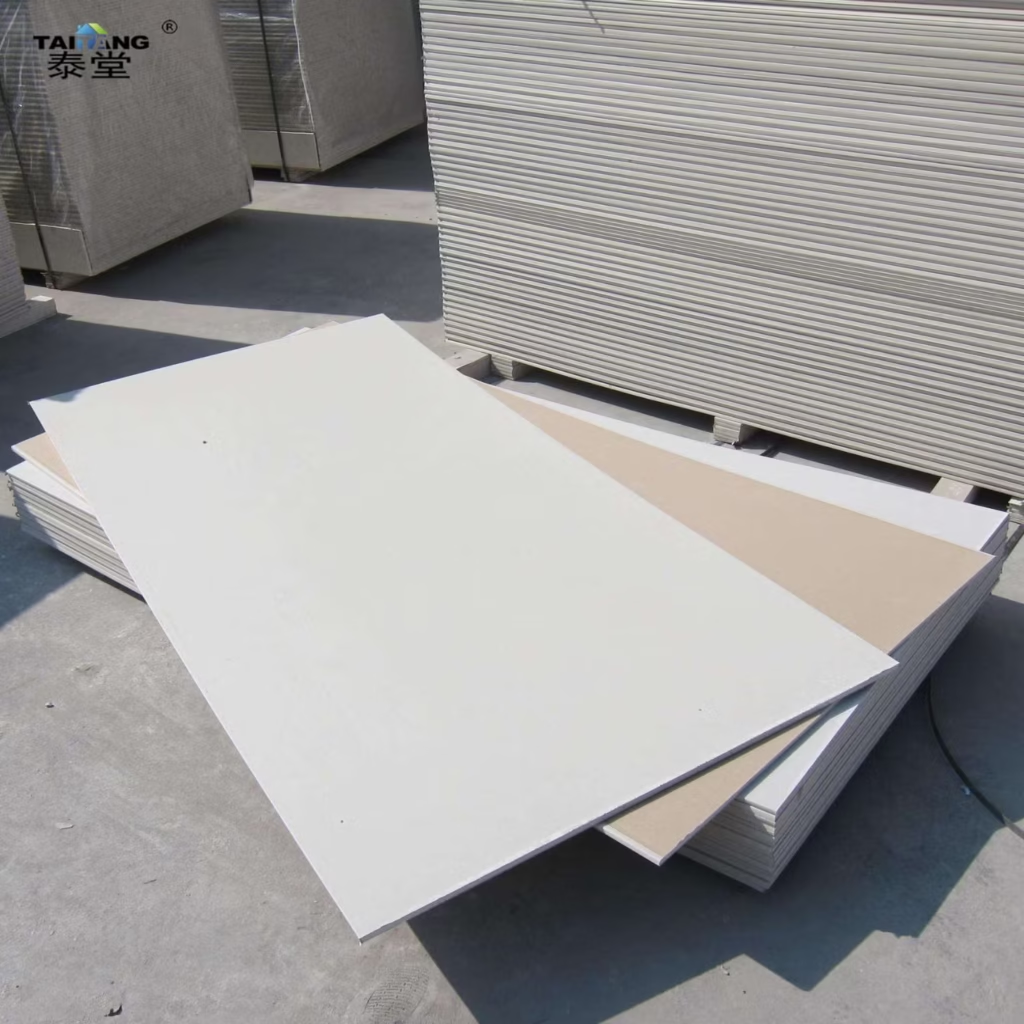
Drywall sheets, also known as gypsum boards or plasterboards, are large, flat panels made from a layer of gypsum (a natural mineral) sandwiched between two sheets of heavy paper. They are widely used for creating walls and ceilings, offering a smooth, clean surface that is easy to finish and paint.
The sheets come in a variety of sizes, thicknesses, and finishes, making them versatile for a range of construction applications. Drywall sheets are lightweight, easy to handle, and quick to install, which is why they are favored in the construction industry.
Types of Drywall Sheets
Not all drywall sheets are created equal. There are several types of drywall sheets designed for specific purposes and applications. The most common types include:
Regular Drywall Sheets
These are the standard drywall sheets typically used for general wall and ceiling construction in dry areas. They are the most affordable and widely available type of drywall.
Moisture-Resistant Drywall (Greenboard)
Greenboard drywall is specially designed to resist moisture, making it ideal for areas with high humidity levels, such as bathrooms, kitchens, and laundry rooms. It helps prevent mold and mildew growth in damp environments.
Fire-Resistant Drywall (Type X)
Fire-resistant drywall sheets are reinforced with glass fibers to slow the spread of fire. They are commonly used in areas that require fire protection, such as around furnaces, garages, and certain commercial spaces. Fire-resistant drywall is classified by its fire rating, which indicates how long the material can withstand fire exposure.
Soundproof Drywall
This type of drywall is designed to reduce sound transmission between rooms. Soundproof drywall is commonly used in multi-family buildings, hotels, and offices where privacy and noise reduction are important.
Impact-Resistant Drywall
Impact-resistant drywall sheets are made with a tougher core and durable surface that can withstand impacts better than regular drywall. They are perfect for areas that are prone to damage, such as hallways, schools, and hospitals.
Standard Drywall Sheet Sizes
Drywall sheets come in various sizes, but the most common standard sizes are:
- 4 feet by 8 feet (1219 mm x 2438 mm): The most commonly used size for residential and commercial projects.
- 4 feet by 12 feet (1219 mm x 3658 mm): Often used for larger areas, reducing the number of seams in the wall.
- 4 feet by 10 feet (1219 mm x 3048 mm): A versatile size that fits a variety of wall and ceiling applications.
Drywall sheets are also available in different thicknesses, with the most common being:
- 1/4 inch (6.35 mm): Used for curved or angled surfaces.
- 1/2 inch (12.7 mm): The standard thickness for walls and ceilings in residential construction.
- 5/8 inch (15.9 mm): A thicker sheet used for fire-resistant or soundproof applications.
Advantages of Using Drywall Sheets
Drywall sheets offer a range of benefits, making them the go-to solution for creating smooth walls and ceilings:
- Quick Installation: Drywall is faster to install than traditional plastering methods, allowing you to complete projects in a shorter time frame.
- Cost-Effective: Drywall sheets are affordable compared to other wall and ceiling materials, helping you save money on materials and labor.
- Versatility: With different types and sizes, drywall sheets can be customized for various applications, whether you need standard drywall for walls or specialized sheets for fire resistance or soundproofing.
- Durability: Drywall sheets are strong and long-lasting, able to withstand regular wear and tear with proper installation and maintenance.
- Ease of Maintenance: In case of minor damage, drywall is easy to repair by patching up holes and sanding down imperfections.
Drywall Sheet Installation
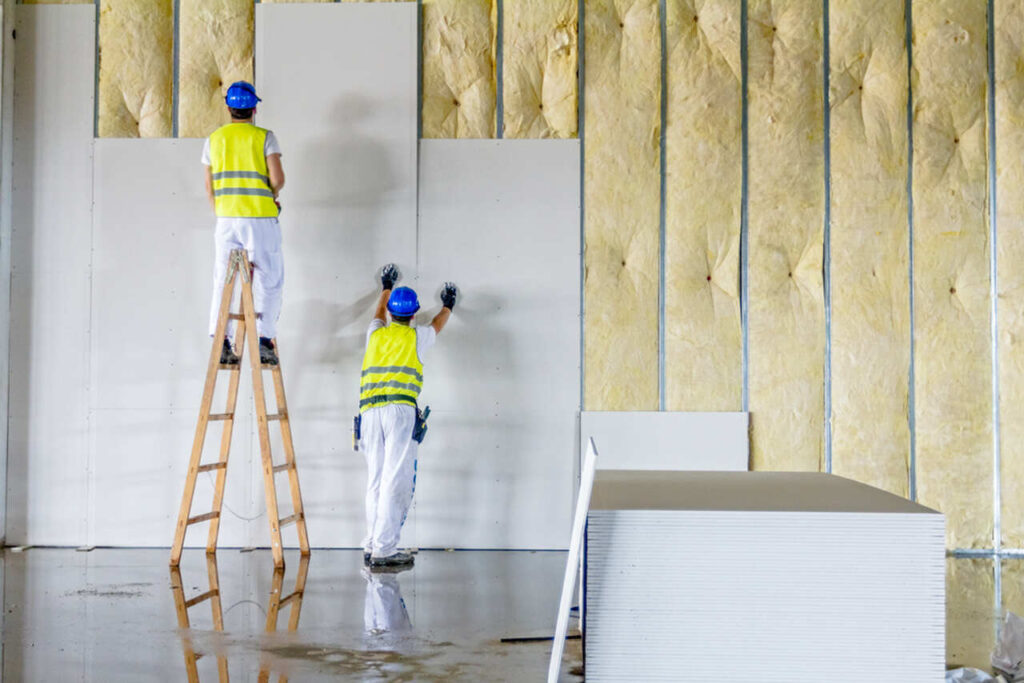
The installation of drywall sheets is relatively simple but requires proper technique to ensure a smooth, durable finish. Here are the general steps for installing drywall:
- Measure and Cut: Start by measuring the space where you want to install drywall and cutting the sheets to size using a utility knife.
- Secure the Drywall: Attach the drywall sheets to the wall studs using drywall screws or nails. Be sure to leave a small gap between the bottom of the drywall and the floor to prevent moisture damage.
- Tape and Mud: Once the drywall is in place, use drywall tape to cover the seams between sheets and apply joint compound (mud) to smooth out the joints.
- Sanding and Finishing: After the compound has dried, sand the surface to create a smooth finish. You may need to apply additional coats of compound to achieve the desired smoothness.
- Paint or Wallpaper: Once the drywall is fully dry and smooth, it’s ready for painting or wallpapering to complete the finish.
Conclusion
Drywall sheets are a versatile and essential material in modern construction, offering a cost-effective, easy-to-install solution for creating smooth and durable walls and ceilings. By choosing the right type of drywall for your project and understanding the different sheet sizes and thicknesses, you can ensure the best results for your construction work. Whether you’re building a home, office, or commercial space, drywall sheets can meet your needs while saving you time and money.
Call to Action
Looking for high-quality drywall sheets for your next project? Contact us today to explore our range of drywall products and get expert advice on selecting the right type for your specific needs. Let’s get your construction project started!