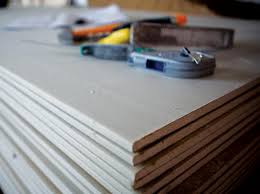
In the world of construction, one of the biggest challenges is managing waste while maintaining project quality. Waste not only harms the environment, but it also increases project costs, creating challenges for contractors and developers. Placoplatre offers an efficient solution that addresses both these concerns. By using Placoplatre, construction projects can experience significant reductions in material waste, ultimately leading to lower overall costs and a more sustainable process.
How Placoplatre Minimizes Waste
Efficient Material Usage
Placoplatre is designed to be versatile and easy to cut, making it simple to use exactly the amount needed for each project. This reduces excess material that would otherwise be discarded, contributing to less waste. Its easy handling also allows for precise measurements, ensuring that every sheet is used optimally.
Durability and Long-Lasting Results
One of the key reasons Placoplatre minimizes waste is its durability. The material is highly resistant to damage during transportation and installation. By ensuring that the sheets maintain their quality throughout the construction process, it eliminates the need for frequent replacements, which is a common source of waste in construction.
Prevention of Overordering
Placoplatre comes in a wide variety of sizes and types, allowing contractors to order precisely the amount required for a specific project. With accurate calculations, unnecessary overordering is avoided, which helps to eliminate the surplus materials that end up being discarded or stored indefinitely.
The Financial Benefits of Reduced Waste
Less waste not only benefits the environment but also has a direct impact on the bottom line of construction projects. Here’s how Placoplatre’s efficiency leads to cost savings:
- Lower Disposal Costs
Reducing the amount of waste generated by a construction project means fewer disposal fees. These costs can add up quickly, especially on large-scale developments. With Placoplatre, builders can minimize the waste disposal process, leading to significant savings in terms of labor and fees. - Cost-Effective Material Management
When less material is wasted, contractors are able to better manage their inventory and expenses. This efficient material usage helps to ensure that every purchase is necessary and used effectively, avoiding unnecessary costs due to excess materials or inefficiencies. - Reduced Labor Costs
Less waste means less time spent handling and managing discarded materials. Workers can focus on productive tasks instead of dealing with waste removal, further streamlining the construction process and lowering labor costs.
Environmental Benefits of Using Placoplatre
Placoplatre is not only an economically beneficial material, but it also helps construction projects become more environmentally friendly. By minimizing waste, Placoplatre supports sustainable building practices. Here are some of its key environmental advantages:
- Reduced Carbon Footprint
The efficient use of Placoplatre reduces the need for transporting large amounts of material to and from construction sites. This reduction in transportation also helps decrease the carbon emissions associated with construction projects. - Recyclable Materials
Placoplatre products are often recyclable, further minimizing their environmental impact. At the end of their lifecycle, these materials can be repurposed, contributing to a circular economy and reducing overall waste in landfills. - Sustainable Sourcing
Many Placoplatre products are made from responsibly sourced materials, ensuring that their production aligns with environmental sustainability goals. By choosing Placoplatre, contractors can support eco-friendly practices in the construction industry.
Conclusion
Placoplatre is a game-changer in the construction industry, offering an effective way to reduce both material waste and project costs. With its durability, versatility, and sustainability, Placoplatre enables construction professionals to complete projects more efficiently and economically. By using this innovative material, you can lower waste levels, cut disposal fees, and create a more sustainable, cost-effective construction process.