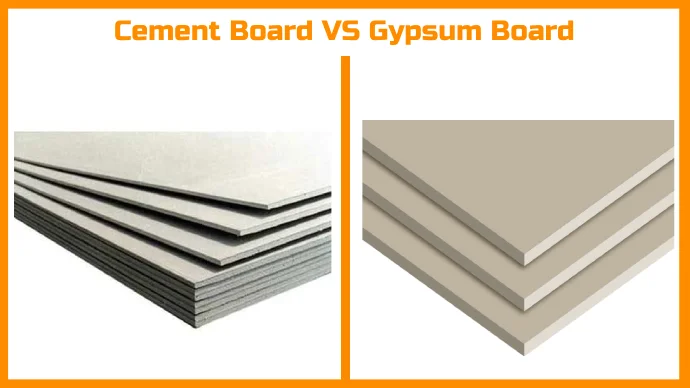
There are two popular materials commonly used for wall and ceiling cladding in both interior and exterior spaces: Gypsum board (drywall) and cement board. Both materials are known for their advantages, but which one should be used depends on the specifics and requirements of the project. In this article, we will examine the differences between gypsum board and cement board, the advantages of each material, and when to choose one over the other.
What is Gypsum Board?
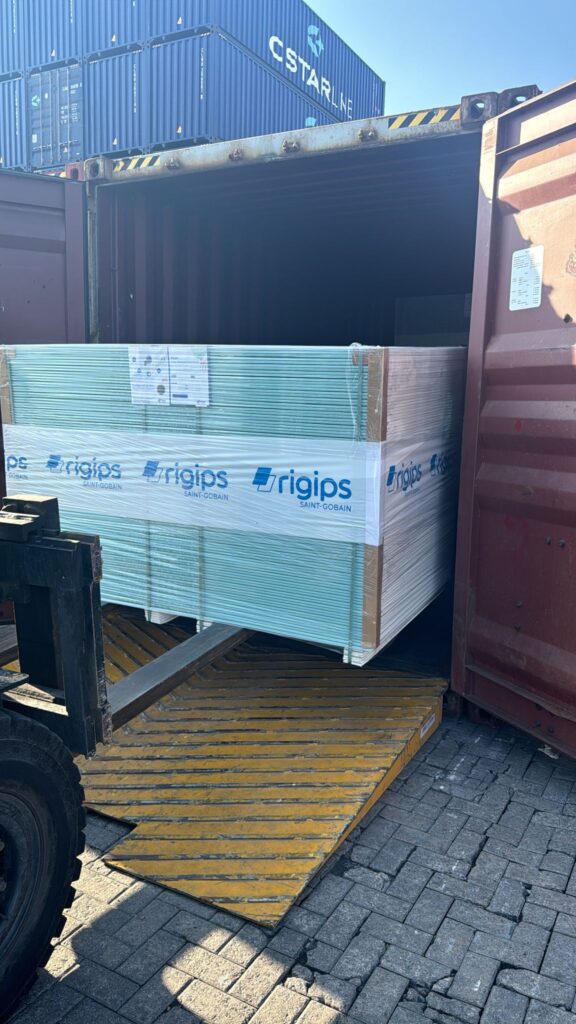
Gypsum board, commonly used for interior wall and ceiling cladding, is a lightweight and durable material made by sandwiching a gypsum core between paper or cardboard layers. The main advantages of gypsum board include ease of application, cost-effectiveness, and aesthetic appeal. It also provides good sound insulation and offers an ideal surface for decorative finishes like painting or wallpaper.
Advantages:
- Lightweight and Easy to Install: Gypsum board is lightweight, making it easy to transport and quick to install.
- Good Sound Insulation: It provides effective soundproofing, making it ideal for offices, hotel rooms, and similar spaces.
- Aesthetic Appearance: Its smooth surface is perfect for painting or wallpaper, making it a versatile choice for interior design.
- Low Cost: Compared to other building materials, gypsum board is more affordable.
Disadvantages:
- Not Water-Resistant: Gypsum board is sensitive to moisture, and prolonged exposure to water can cause it to swell and deteriorate. This makes it unsuitable for areas with high humidity or direct water exposure.
- Lower Fire Resistance: While gypsum board is naturally fire-resistant, it does not offer the same level of fire protection as cement board.
What is Cement Board?
Cement board is a cement-based material known for its durability and resistance to moisture. It is commonly used in areas that are exposed to water, such as bathrooms, kitchens, and exterior surfaces. Cement boards are more resistant to water, temperature fluctuations, and fire, making them an excellent choice for more demanding environments.
Advantages:
- Water-Resistant: Cement board is ideal for areas exposed to water, such as bathrooms, kitchens, and exterior surfaces.
- Fire-Resistant: Cement board is more resistant to high temperatures and offers better fire protection than gypsum board.
- Long-Lasting and Durable: Cement boards are designed to withstand harsh conditions and provide a longer lifespan, without cracking or deteriorating from water damage.
Disadvantages:
- Heavy and Difficult to Install: Cement board is heavier and more challenging to handle than gypsum board, requiring more effort during installation.
- Higher Cost: Cement board is generally more expensive than gypsum board.
When Should You Use Gypsum Board?
Gypsum board is best suited for dry interior environments. It is ideal for residential, office, and hotel spaces where moisture exposure is minimal. Additionally, gypsum board is often chosen for its aesthetic appeal and ease of application, particularly in spaces that require fast installation.
Application Areas:
- Interior Spaces: Residential homes, offices, hotels, hospitals, and similar indoor spaces.
- Dry Areas: Rooms that are not exposed to high humidity, such as living rooms, bedrooms, and offices.
When Should You Use Cement Board?
Cement board is the ideal choice for environments where moisture, heat, and temperature fluctuations are a concern. It is commonly used in areas that require higher durability, such as bathrooms, kitchens, and exterior surfaces. Additionally, cement board is preferable for areas where fire safety is a priority.
Application Areas:
- Moist Areas: Bathrooms, kitchens, shower areas, and pool surrounds.
- Exterior Surfaces: Balconies, exterior facades, and outdoor walls.
- Fire-Safety Areas: Commercial buildings, high-rise buildings, and industrial spaces where fire protection is critical.
Conclusion
The choice between gypsum board and cement board depends on the specific requirements of your project. For interior spaces, particularly in dry areas, gypsum board is an affordable and aesthetically pleasing option. However, for areas exposed to moisture, high temperatures, or fire hazards, cement board is the more suitable choice.
- Gypsum Board: Ideal for interior spaces, dry areas, and projects that require quick installation and aesthetic finishes.
- Cement Board: Best for areas exposed to moisture, temperature fluctuations, and fire safety concerns.
Ultimately, both materials offer significant advantages in different contexts. Choosing the right material is crucial for ensuring the success and durability of your project.