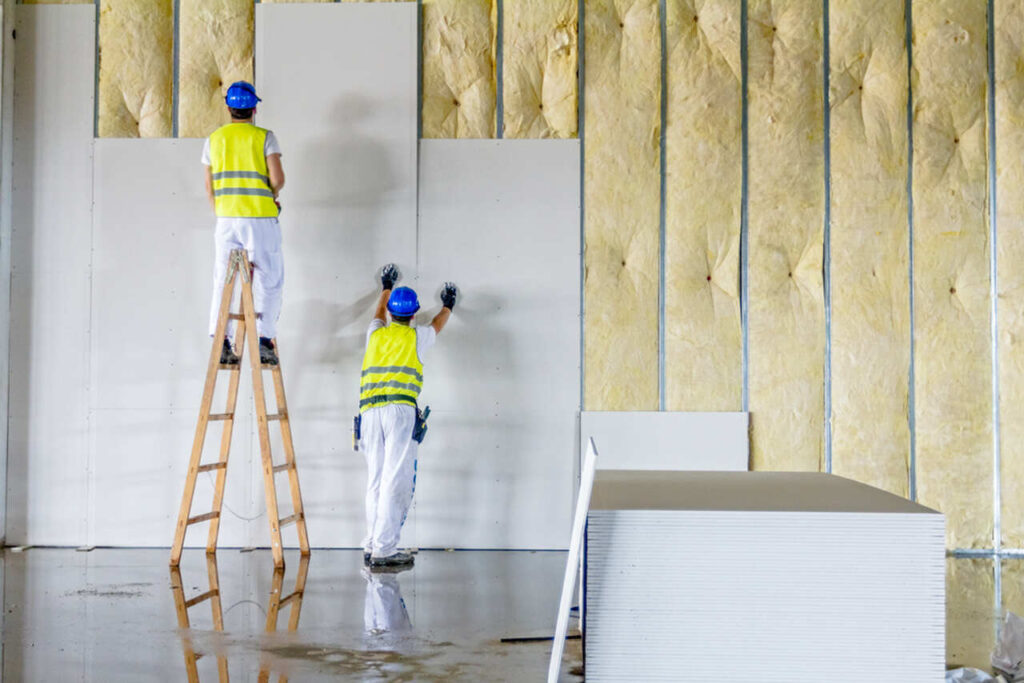
Drywall, also known as plasterboard or sheetrock, is a versatile and essential material widely used in the construction industry for creating walls and ceilings. As an integral component of most building projects, understanding the different types of drywall materials and their specific applications is crucial for selecting the right product for your needs. In this blog, we will explore the various drywall materials available, their properties, and how to choose the best option for your construction or renovation project.
Types of Drywall Materials
There are several types of drywall materials, each with unique properties designed to meet specific building needs. Here are the most common types:
Regular Drywall (Standard Drywall)
This is the most commonly used drywall material. Regular drywall is suitable for general use in most interior spaces like living rooms, bedrooms, and offices. It has a smooth surface, is easy to install, and provides good soundproofing and insulation properties.
- Thickness: Typically 1/2-inch (12.7 mm)
- Application: Most standard interior walls and ceilings
Moisture-Resistant Drywall (Greenboard)
As the name suggests, moisture-resistant drywall is designed for use in areas where there is high humidity, such as bathrooms, kitchens, and laundry rooms. The core of moisture-resistant drywall contains additives that prevent mold growth and provide better resistance to moisture absorption.
- Thickness: 1/2-inch to 5/8-inch (12.7 mm to 15.9 mm)
- Application: Bathrooms, kitchens, laundry rooms, and other areas prone to moisture
Fire-Resistant Drywall (Type X)
Fire-resistant drywall is specially designed to resist the spread of flames and improve fire safety in buildings. It is reinforced with fiberglass or other fire-resistant materials, making it ideal for use in fire-rated walls and ceilings.
- Thickness: 5/8-inch (15.9 mm) or more
- Application: Fire-rated walls and ceilings, commercial buildings, and areas with higher fire risks
Soundproof Drywall
For projects that require enhanced acoustic performance, soundproof drywall is an excellent choice. It features special materials, such as high-density gypsum and added layers, to reduce sound transmission. Soundproof drywall is ideal for creating quiet spaces in homes, offices, and other noise-sensitive areas.
- Thickness: 1/2-inch to 5/8-inch (12.7 mm to 15.9 mm)
- Application: Home theaters, offices, schools, and apartments
Impact-Resistant Drywall
Impact-resistant drywall is designed to withstand heavy impacts without sustaining damage. It is used in high-traffic areas or spaces where there is a risk of wall damage, such as corridors, schools, and hospitals. This type of drywall typically features a more durable surface layer and a stronger core.
- Thickness: 1/2-inch to 5/8-inch (12.7 mm to 15.9 mm)
- Application: Hallways, schools, hospitals, and high-traffic commercial spaces
Paperless Drywall
As the name suggests, paperless drywall eliminates the traditional paper facing found on standard drywall. Instead, it features fiberglass layers for added durability and moisture resistance. This type of drywall is perfect for environments where moisture is a concern, such as bathrooms and kitchens, and is highly resistant to mold and mildew.
- Thickness: 1/2-inch (12.7 mm)
- Application: Bathrooms, kitchens, and areas with high humidity
Choosing the Right Drywall Material for Your Project
Selecting the right drywall material depends on several factors, such as the specific needs of your space, budget, and installation requirements. Here are a few key considerations to keep in mind:
- Location: For high-humidity areas, such as bathrooms and kitchens, opt for moisture-resistant or paperless drywall. For areas that require fire resistance, choose Type X fire-rated drywall.
- Soundproofing: If you need to reduce noise levels, especially in shared living spaces, consider using soundproof drywall.
- Durability: In high-traffic areas, such as corridors or schools, impact-resistant drywall will offer added durability and protection.
- Cost: Regular drywall is typically the most affordable option, while specialized drywall types like fire-resistant or moisture-resistant drywall may cost more.
Conclusion
Drywall materials are a versatile and essential component of modern construction. Whether you’re working on a residential renovation or a large commercial building, understanding the different types of drywall available can help you make informed decisions about your project.
When selecting drywall materials, consider factors such as moisture levels, fire safety, soundproofing needs, and the level of impact resistance required for your space. By choosing the right drywall material, you can ensure the longevity, safety, and aesthetic quality of your building.
Call to Action
Looking for the best drywall materials for your next project? Contact us today for expert advice and premium-quality drywall products tailored to your specific needs! Let’s build your vision with the right materials.