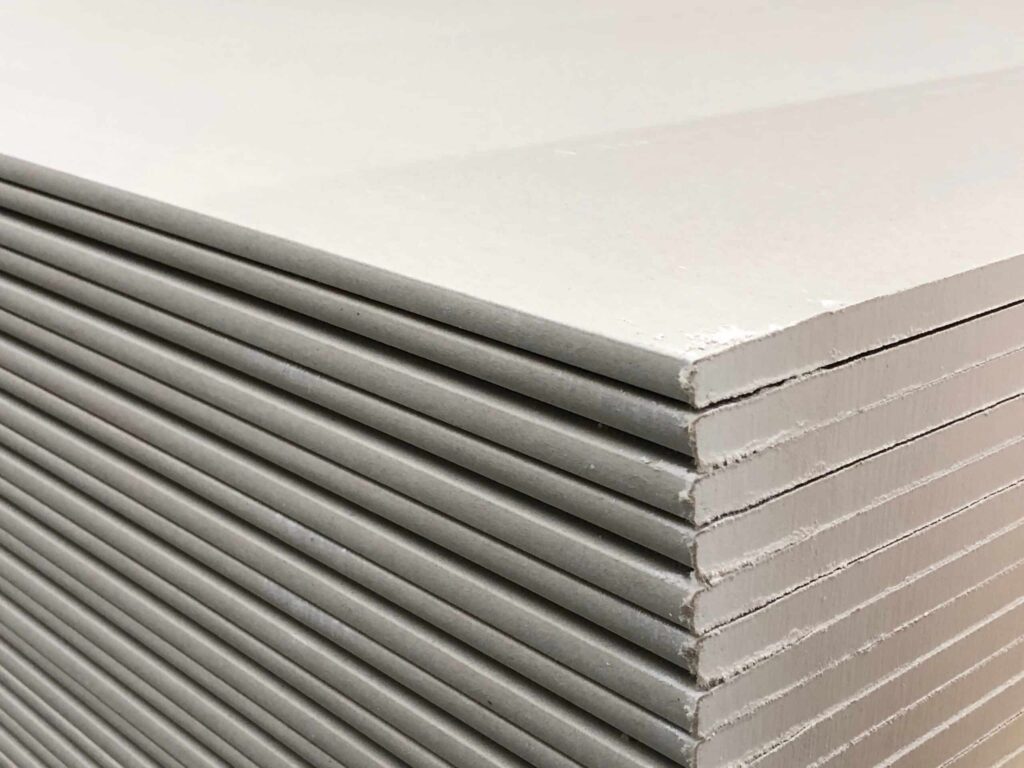
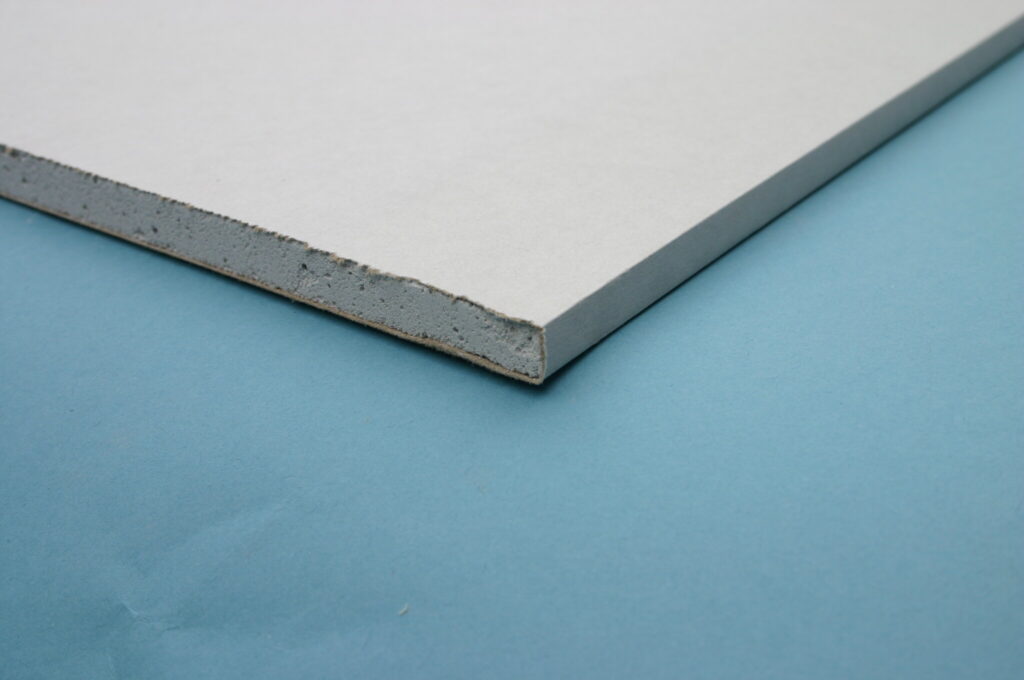
In the face of climate change and growing environmental concerns, the construction industry is under increasing pressure to adopt sustainable practices. One of the key areas of focus is the use of materials that contribute to the creation of environmentally friendly, energy-efficient, and sustainable buildings. Plasterboard, a commonly used material in interior construction, is increasingly being recognized for its role in green building practices. In this blog post, we will explore how plasterboard is an ideal solution for sustainable buildings and how it supports green initiatives in construction.
Eco-Friendly Manufacturing Process
The environmental impact of construction materials begins long before they reach a job site. The manufacturing process plays a significant role in determining a material’s sustainability. Many plasterboard manufacturers are now focusing on making the production process more eco-friendly. This includes using recycled materials and reducing the amount of energy consumed during production. For example, plasterboards made from recycled paper liners and mineral-based cores can significantly reduce waste and the carbon footprint associated with their production.
Why it matters:
- Reduces the environmental impact of manufacturing
- Utilizes recycled materials, helping divert waste from landfills
- Contributes to achieving sustainability certifications, such as LEED (Leadership in Energy and Environmental Design)
Energy Efficiency with Insulating Properties
One of the key features that make plasterboard an excellent choice for sustainable buildings is its ability to enhance the energy efficiency of a structure. Many plasterboard products come with advanced insulating properties, improving both thermal and acoustic insulation. The improved thermal insulation can reduce the need for excessive heating or cooling in a building, contributing to lower energy consumption and reducing the building’s carbon footprint.
In particular, plasterboard with additional insulating layers helps maintain stable indoor temperatures, which is crucial for energy-efficient buildings. This can lead to long-term cost savings for building owners and a more sustainable energy profile for the entire building.
Why it matters:
- Improves energy efficiency, reducing the need for heating and cooling
- Contributes to lower energy bills for building owners
- Supports the development of low-energy, environmentally friendly buildings
Recyclability and Circular Economy
Another significant benefit of plasterboard in sustainable construction is its recyclability. At the end of its life cycle, plasterboard can be recycled into new products, reducing waste and the need for raw materials. For example, gypsum, the core material of plasterboard, can be extracted and reused in the production of new plasterboard. This creates a circular economy where materials are continuously reused, minimizing the environmental impact of construction and demolition activities.
With the rising importance of sustainability, the construction industry is increasingly adopting closed-loop systems where materials like plasterboard can be recycled and reused, reducing landfill waste and conserving natural resources.
Why it matters:
- Contributes to a circular economy by promoting recycling and reuse of materials
- Helps reduce waste and reliance on raw material extraction
- Supports green building certifications and eco-friendly construction practices
Indoor Air Quality and Health Benefits
In addition to its environmental benefits, plasterboard can contribute to the overall health and well-being of building occupants. Certain types of plasterboard are designed to improve indoor air quality by absorbing and neutralizing pollutants, such as volatile organic compounds (VOCs) and formaldehyde. These types of plasterboard are ideal for creating healthier living and working spaces, a key component of sustainable building practices.
By improving indoor air quality, plasterboard helps to create healthier environments, which can lead to improved productivity and well-being for those occupying the space. This is particularly important for commercial spaces, schools, and healthcare facilities, where air quality directly impacts occupant health.
Why it matters:
- Helps improve indoor air quality by absorbing harmful pollutants
- Creates healthier living and working environments for building occupants
- Enhances the sustainability of buildings by focusing on occupant health
Durability and Long Lifespan
Sustainability is not just about using eco-friendly materials—it’s also about ensuring that the materials used in construction are durable and long-lasting. Plasterboard is known for its durability and resistance to wear and tear. Modern plasterboards come with enhanced resistance to moisture, fire, and impact, making them ideal for various environments.
A longer lifespan means less frequent replacement and maintenance, which contributes to a building’s overall sustainability. By using durable plasterboard, building owners reduce the need for repairs and replacements, which in turn lowers the environmental impact of construction and demolition over time.
Why it matters:
- Offers long-lasting performance, reducing the need for frequent repairs and replacements
- Contributes to lower maintenance costs and less resource consumption
- Enhances the sustainability of a building by prolonging its life cycle
Supporting Green Building Certifications
Plasterboard plays a significant role in helping buildings achieve green building certifications such as LEED, BREEAM, and others. These certifications recognize buildings that meet high environmental standards, and plasterboard’s eco-friendly properties contribute to a building’s overall sustainability score. Whether it’s through the use of recycled materials, energy-efficient performance, or long-lasting durability, plasterboard helps buildings meet the criteria needed for certification.
By choosing sustainable plasterboard options, developers and contractors can demonstrate their commitment to green building practices and gain recognition for their environmental efforts.
Why it matters:
- Helps buildings earn prestigious green building certifications
- Contributes to meeting sustainability goals for construction projects
- Enhances the marketability of buildings with green certifications
Conclusion
As the construction industry moves toward a more sustainable future, plasterboard is becoming an essential component of green buildings. Its eco-friendly manufacturing process, energy-efficient properties, recyclability, and positive impact on indoor air quality make it an ideal choice for environmentally conscious projects. By using plasterboard in sustainable building designs, developers can reduce their environmental footprint, improve energy efficiency, and create healthier, more comfortable spaces for occupants.