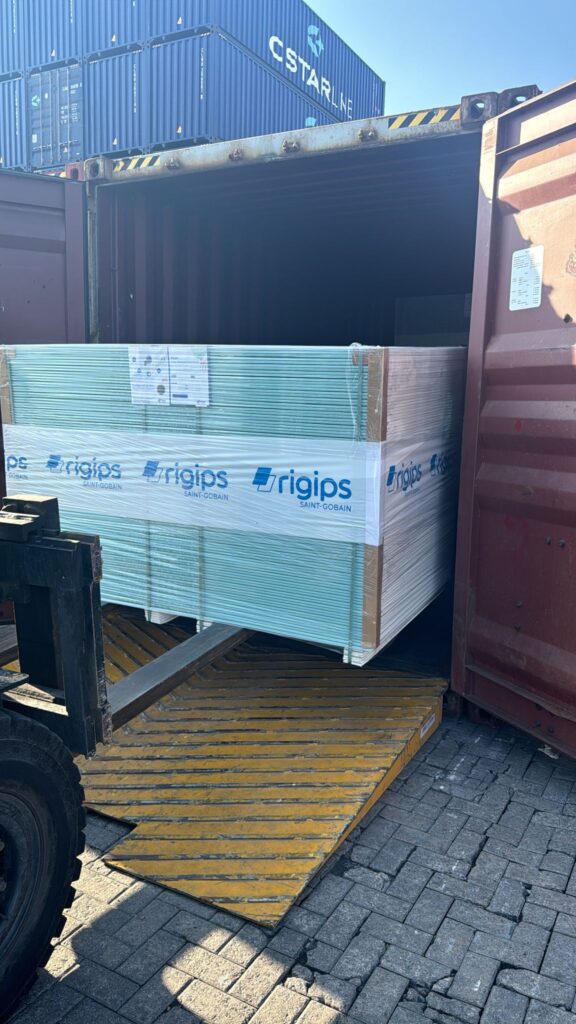
Gypsum board (drywall) is one of the most widely used materials in the construction industry. Its lightweight, durability, and versatility make it a preferred choice in both developed and developing nations. However, the per capita usage rates of gypsum board vary significantly across countries and regions. In this article, we will explore global gypsum board usage rates per capita and examine the trends shaping its future.
1. What Are Per Capita Usage Rates and Why Are They Important?
Per capita gypsum board usage rate refers to the total amount of gypsum board produced or consumed in a country or region divided by its population. This metric provides valuable insights into the growth and development of the construction industry.
- Correlation with Economic Development: Developed countries generally have higher per capita usage rates due to advanced construction sectors and a stronger focus on material quality.
- Urban Density: Urban redevelopment projects and high-rise construction significantly increase gypsum board usage per person.
2. Global Usage Rates
Usage Rates in Developed Countries
Countries like the United States, Canada, and Western European nations lead the way in per capita gypsum board consumption. For instance:
- United States: The U.S. is among the leaders in per capita gypsum board usage, with widespread applications in residential, commercial, and interior design projects.
- Europe: Western European countries show high consumption rates driven by renovation projects and energy-efficient building initiatives.
Usage Rates in Developing Countries
In regions such as Asia, Africa, and Latin America, per capita usage rates are lower compared to developed countries. However, rapid urbanization and population growth in these regions present immense potential for gypsum board demand.
- India and China: While China leads globally in gypsum board production and consumption, its per capita usage remains relatively lower due to its large population.
3. Factors Affecting Per Capita Usage Rates
Economic Conditions
The level of economic development in a country directly impacts investment in construction projects and, consequently, gypsum board usage.
Technological Advancements in Construction
The introduction of more durable, lightweight, and multifunctional gypsum board products enables wider adoption across diverse applications.
Environmental and Sustainability Trends
The rise of eco-conscious building projects has increased demand for recyclable and environmentally friendly materials, positively influencing gypsum board consumption.
4. How Will Per Capita Usage Rates Change in the Future?
Increasing Urban Redevelopment Projects
Urbanization and growing housing needs in developing countries will drive significant increases in per capita gypsum board usage rates.
Green Building Certifications and Energy Efficiency
The contribution of gypsum board to energy efficiency and its use in environmentally friendly projects will further boost its demand.
Technological Innovations
The introduction of next-generation gypsum board products will positively impact per capita usage rates. Fire-resistant, moisture-proof, and sound-insulated boards will gain traction in both residential and commercial projects.
Conclusion
Per capita gypsum board usage rates are a vital indicator of construction industry growth and economic development. While developed countries exhibit higher rates, developing nations hold significant growth potential. In the future, increasing urbanization, sustainability initiatives, and technological advancements will drive per capita usage rates even higher.
Thanks to its economic, environmental, and aesthetic benefits, gypsum board will continue to be a cornerstone of the global construction market, finding broader applications in next-generation building projects.