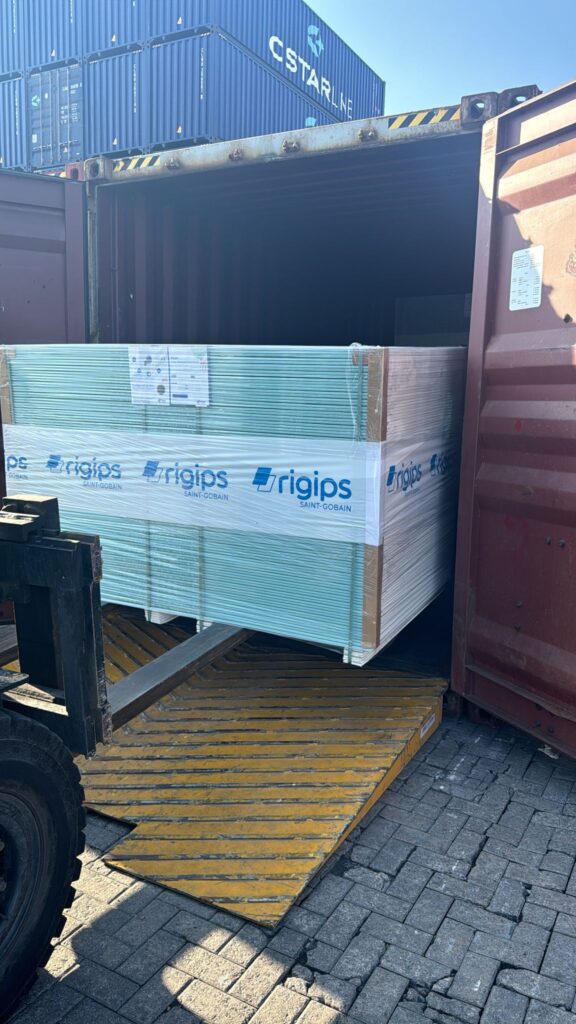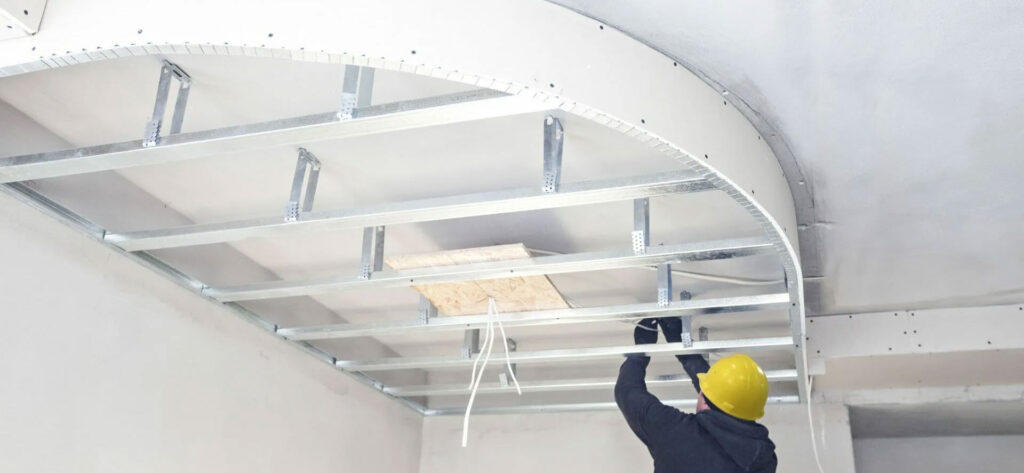
Gypsum board, widely used in the construction industry, has long been a preferred material due to its versatility and economic benefits. As environmental awareness and technological advancements shape the future, the gypsum board market is expected to evolve significantly. In this blog post, we’ll explore how gypsum board is likely to influence the market in the coming years and its potential growth areas.
1. Rising Demand for Sustainable and Eco-Friendly Building Materials
The growing focus on sustainability in construction is driving demand for eco-friendly materials. Gypsum board, with its recyclable nature and low carbon footprint, is well-positioned to
- Recycling Applications: Gypsum board waste can be reused in the production of new boards, contributing to waste reduction and supporting the circular economy.
- Green Building Certifications: Gypsum
2. Technological Advancements and Smart Materials
The continuous development of material technologies is enhancing the performance of gypsum boards. In the future, smart building materials are expected to gain more prominence in the market.
- Enhanced Fire and Moisture Resistance: Advanced manufacturing techniques are producing boards capable of withstanding harsher conditions.
- Energy-Efficient Boards: Gypsum boards that provide thermal insulation or improve energy efficiency will become increasingly popular.
- Smart Surfaces: Boards equipped with sensor technology could detect humidity, heat, or damage, enabling smarter building management systems.
3. Urbanization and Growth in the Construction Industry
Global urbanization and large-scale redevelopment projects are increasing the demand for quick and cost-effective building materials. Gypsum board, with its lightweight nature and ease of installation, is an ideal choice for such projects.
- Modular Construction: Prefabricated and modular buildings often use gypsum boards for quick assembly and structural efficiency.
- Emerging Markets: Regions such as Asia-Pacific, Africa, and the Middle East are witnessing rapid urbanization, driving gypsum board demand in these areas.
4. Digitalization and Innovation in Manufacturing Processes
Digitalization is enhancing efficiency in gypsum board production while reducing costs and expanding product diversity. Key innovations likely to shape the future include:
- 3D Printing Technology: Custom designs and project-specific gypsum boards could be manufactured using 3D printing techniques.
- AI-Driven Design: Artificial intelligence in production processes could optimize product quality and deliver tailored solutions for various applications.
5. Increased Market Competition and New Players
The gypsum board market is expected to become more competitive as new players enter and existing ones invest in innovation. Large manufacturers will aim to maintain their dominance through R&D, while smaller producers may target niche markets.
- Customized Solutions: The development of bespoke products for specific projects will enhance customer satisfaction and market reach.
- Local Manufacturing: Expanding local production capabilities can reduce logistics costs and make gypsum boards more accessible to end-users.
Conclusion
Gypsum board is set to remain a cornerstone material in the construction industry, thanks to its durability, eco-friendly attributes, and aesthetic appeal. Factors like sustainability, technology, urbanization, and digitalization will further enhance its market impact.
For existing and new market players, embracing innovation and focusing on customer-centric solutions will be crucial for gaining a competitive edge. In the future, gypsum board will not only serve as a construction material but also evolve into a smart and sustainable solution for modern building challenges.