When it comes to interior construction, one of the most common materials used is drywall. However, a brand name, Sheetrock, is often thrown into the mix, leaving many wondering if there is any significant difference between the two. In this blog, we’ll break down the difference between Sheetrock and drywall and help you decide which option is right for your construction needs.
What is Drywall?
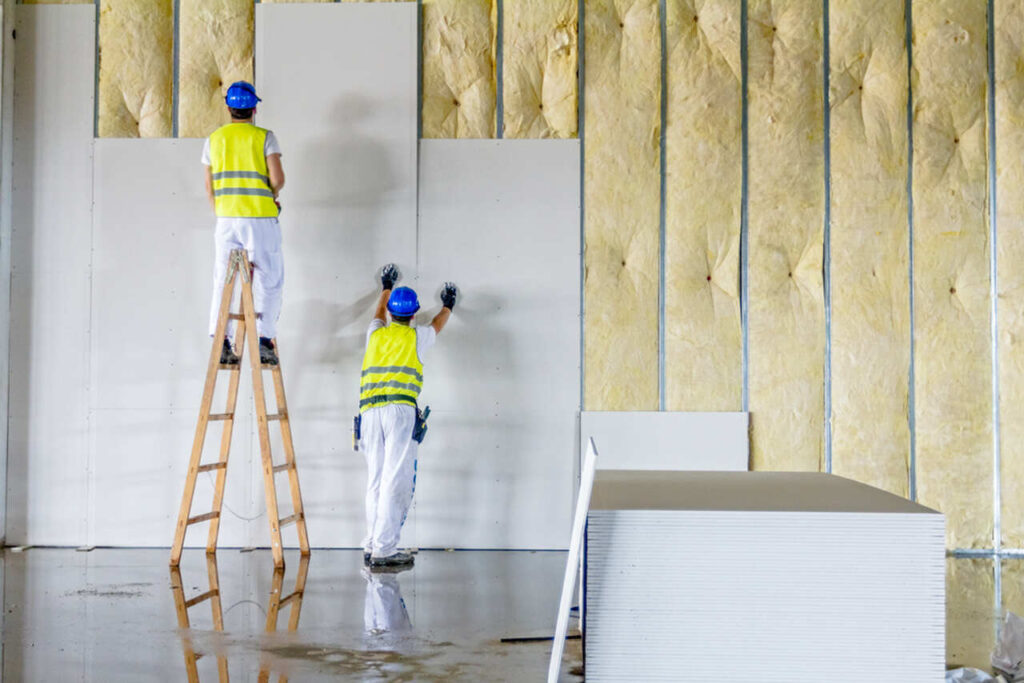
Drywall, also known as plasterboard or gypsum board, is a construction material used for creating interior walls and ceilings. It is made from a layer of gypsum (a soft mineral) sandwiched between two sheets of thick paper. Drywall is popular in residential and commercial construction due to its relatively low cost, ease of installation, and versatility.
There are several types of drywall designed for different uses, such as:
- Standard drywall: For general use in most areas.
- Moisture-resistant drywall: For areas with high humidity like bathrooms.
- Fire-resistant drywall: Designed to provide additional protection against fire.
- Soundproof drywall: For reducing noise between rooms or floors.
What is Sheetrock?
Sheetrock is a brand name that has become synonymous with drywall, much like “Kleenex” for tissues or “Band-Aid” for adhesive bandages. Originally created by the U.S. Gypsum Company (USG) in 1917, Sheetrock is a high-quality, specially engineered version of drywall. In fact, Sheetrock is one of the most trusted and widely used brands of drywall in North America.
While Sheetrock is essentially drywall, it is typically marketed as a premium product, often with additional benefits such as better durability, enhanced fire resistance, or moisture resistance. However, the materials and construction process used in Sheetrock are essentially the same as regular drywall.
Key Differences
Branding and Name Recognition
- Drywall is a generic term used for the material.
- Sheetrock is a brand name created by USG. Over time, it has become a popular term for drywall, especially when discussing higher-quality or specific types of drywall, such as fire-resistant or moisture-resistant variants.
Quality and Performance
- Drywall can vary in quality depending on the manufacturer, but generally, it offers standard performance for most residential and commercial projects.
- Sheetrock is marketed as a premium version of drywall. It is often chosen for its higher quality, consistency, and performance in terms of durability, fire resistance, moisture resistance, and ease of installation.
Price
- Drywall is typically more affordable, especially if you’re purchasing generic or economy versions.
- Sheetrock can be slightly more expensive, but it often provides superior performance in certain applications, making it worth the extra cost.
Variety of Products
- Drywall comes in a range of types and brands, including standard, moisture-resistant, fire-resistant, and soundproof drywall. The variety depends on the supplier.
- Sheetrock offers these same varieties, often with added features or enhancements like mold resistance or easier installation. They also offer additional products, such as specialty panels for specific needs.
Which Should You Choose: Sheetrock or Drywall?
The decision between Sheetrock and drywall ultimately depends on your project’s needs and budget. Here are some considerations to help you decide:
For Standard Residential Projects:
- If you’re working on a standard home or office project, regular drywall may suffice. Standard drywall is typically cost-effective and provides adequate performance for most residential applications.
For High-Performance Needs:
- If your project requires enhanced qualities—like fire resistance, moisture resistance, or durability—Sheetrock is a great choice. Sheetrock’s premium products often outperform generic drywall and can be especially beneficial in areas prone to high humidity or fire hazards.
For Budget-Conscious Projects:
- If cost is a significant concern, standard drywall will meet most of your needs, especially if you’re working on a large-scale project. It’s affordable and easy to work with, providing good value for the money.
For Specialized Applications:
- If your project involves specific needs, such as soundproofing, moisture resistance, or enhanced fire protection, consider Sheetrock’s specialized lines. These products provide extra benefits that regular drywall may not offer.
Conclusion
Both Sheetrock and drywall are excellent choices for interior construction projects, and the right option depends on the scope of your project, your specific needs, and your budget. Sheetrock, as a trusted brand, is often the go-to choice for high-performance, durable, and reliable drywall solutions. However, standard drywall can be just as effective for more straightforward projects, offering a more cost-effective solution without sacrificing too much in quality.
Call to Action
Looking to get started with your next drywall project? Whether you’re choosing Sheetrock or standard drywall, it’s essential to work with a trusted supplier for the best materials and prices. Contact us today for expert advice and high-quality drywall products to make your project a success!